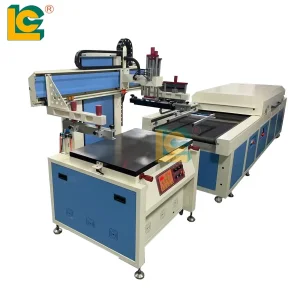
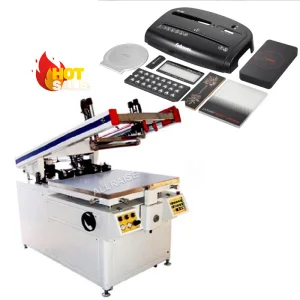
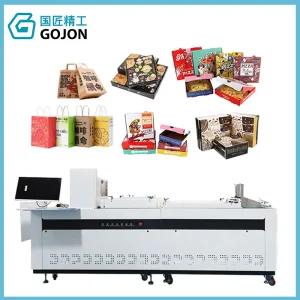
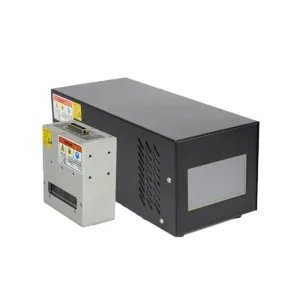
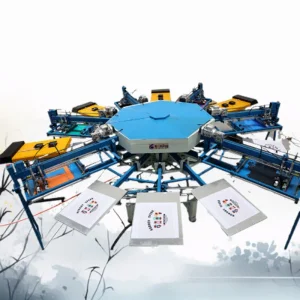
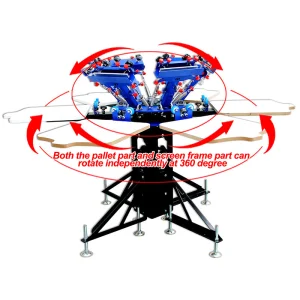
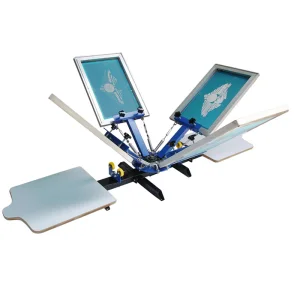
High-efficiency, custom-configured equipment engineered for optimal performance on diverse substrates
The industrial printing sector is undergoing a profound technological transition. Traditional medium-pressure mercury vapor lamps, which dominated curing tunnels for decades, are being phased out rapidly. In their place, LED UV Printing Technology has emerged as the definitive standard for performance, environmental compliance, and cost efficiency.
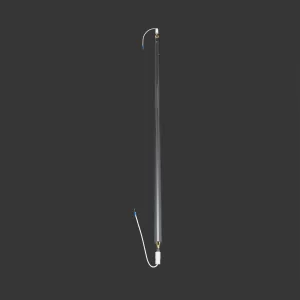
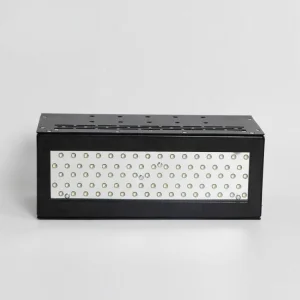
Unlike mercury bulbs that emit a broad, uncontrolled spectrum of light (including harmful UV-C and thermal infrared wavelengths), LED UV curing systems utilize narrow-band semiconductor arrays. These arrays concentrate energy precisely at designated wavelengths—typically 365nm, 385nm, 395nm, or 405nm. This targeted output initiates instant photopolymerization in UV-sensitive inks, varnishes, and adhesives, changing liquid monomers into a cross-linked solid polymer matrix within milliseconds.
Global manufacturers operating across the EU, North America, and APAC must align operations with RoHS, REACH, and EPA mandates. LED UV systems eliminate ozone emission extraction ducts and bypass the mercury usage restrictions outlined by the Minamata Convention.
Traditional mercury systems demand a warm-up and cool-down phase, consuming valuable machine run time. OEM UV LED chips deliver instantaneous on/off cycling and boast operational lifespans exceeding 20,000 to 30,000 hours—compared to the 1,000-hour lifecycle of gas-discharge bulbs.
From textured garments and non-woven shopping bags to pharmaceutical cylindrical eyeliner tubes and structural automotive glass, procurement departments require highly adaptable curing fixtures with adjustable irradiance levels ($W/cm^2$).
| Curing Parameter | Traditional Mercury Vapor | Advanced LED UV System (Foshan Fusion) | Industrial Procurement Advantage |
|---|---|---|---|
| Operational Lifespan | 800 – 1,500 Hours | 20,000 – 30,000+ Hours | Drastically reduces maintenance downtime and spare parts cost. |
| Energy Consumption | 100% (Baseline High Power) | 30% – 50% Energy Reduction | Lowers operational utility cost; aligns with corporate ESG metrics. |
| Substrate Heat Loading | High (Requires Chill Rollers) | Minimal / Near Zero Heat | Permits printing on thin films, soft plastics, and heat-sensitive paper. |
| Ozone & Mercury Pollution | Yes (Requires exhaust ducts) | None (Eco-friendly operation) | Simplifies workplace safety compliance and factory HVAC planning. |
| On/Off Startup Time | 10 – 15 Minutes warm-up | Instantaneous (Microseconds) | Improves overall equipment effectiveness (OEE) on custom runs. |
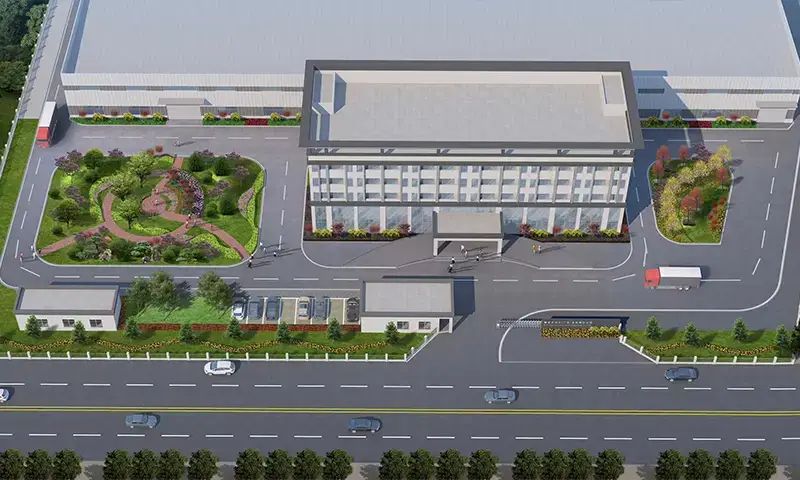
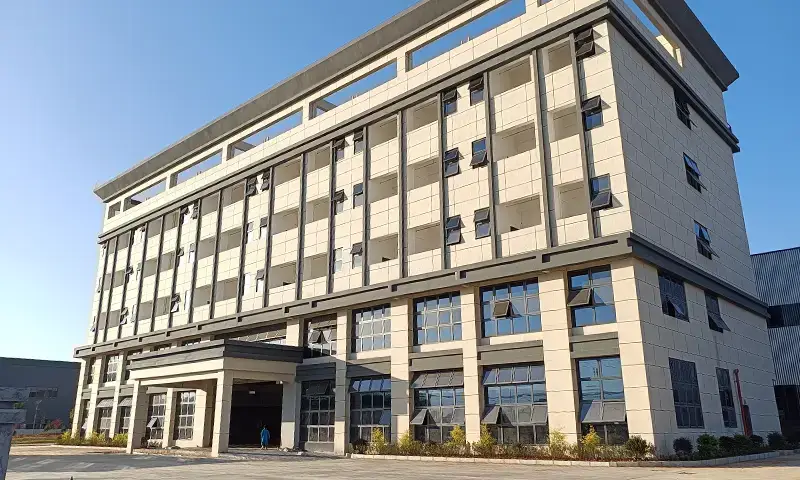
Located in the heart of the Guangdong industrial manufacturing zone, Foshan Fusion Digital Print Co., Ltd. serves as a reliable OEM partner for custom industrial printing systems. With a modern, specialized production facility covering more than 8,000 square meters, the enterprise bridges the gap between lab-tested engineering prototype design and scalable bulk product delivery.
Operating a facility staffed by a dedicated team of over 120 skilled professionals—including mechanical draftsmen, electrical engineers, and quality assurance specialists—Foshan Fusion manages the entire hardware and system integration lifecycle. This complete cycle includes CNC component machining, cleanroom printhead alignment, software optimization, and environmental stress testing under continuous load.
By leveraging Foshan's deep electronics, materials science, and logistical supply chains, the factory ensures short product lead times, custom design cycles, and a highly stable components reserve—even during periods of global supply chain volatility.
OEM systems can be tailored with specific optical quartz lenses designed to refocus radiation profile structures. Depending on the distance between the lamp array and the substrate, we optimize peak power output up to 16W/cm² or 20W/cm² to assure high-density coverage on deep cavities or textured surfaces.
By blending different LED die outputs (e.g., combining 365nm and 395nm chips in a single module), we address both surface curing (which requires shorter wavelengths to prevent oxygen inhibition) and deep-layer curing (longer wavelengths for maximum penetration through heavily pigmented inks).
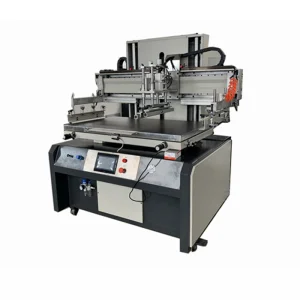
Whether integrating with high-speed rotary packaging lines or flatbed screen-printers, our engineering team designs customized mounting brackets, water-cooling or forced-air cooling channels, and standardized electronic protocols (Modbus, EtherCAT, or analog inputs).
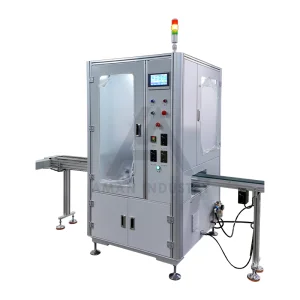
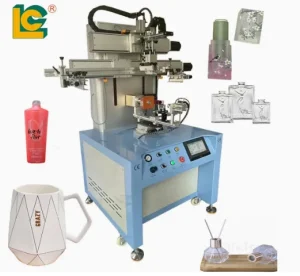
Printing directly onto complex geometries—such as eyeliner tubes, cosmetic glass jars, and polygon-shaped beverage bottles—requires precise spatial UV LED arrays. With high-intensity water-cooled lamps operating around the rotational axis, ink drops are cured instantly as the container spins, avoiding color bleeds and achieving crisp text resolution down to 2-point fonts.
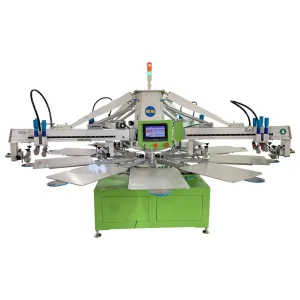
Carousel screen printing systems demand flash curing units that quickly cure base ink layers without shrinking synthetic fabrics. Custom-engineered multi-station automatic silk-screen setups from Foshan Fusion deliver uniform energy distributions, allowing textile plants in high-volume regions to run 24/7 without risking heat-induced garment distortions.
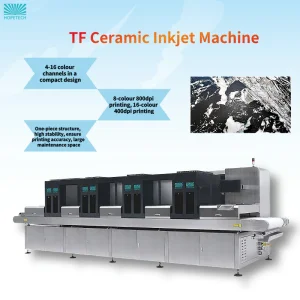
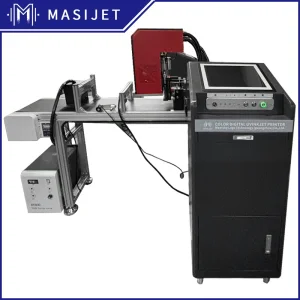
For wrapping papers, fast-moving corrugated boxes, or digital labeling applications, line speed is the ultimate metric. Using 10-nozzle high-width digital inkjet systems configured with integrated UV curing modules allows lines to hit speeds of 50 to 100 meters per minute. The odorless, low-temperature UV inks cure instantly, meaning materials can be cut, folded, and stacked immediately post-print.
Heavy glass sheets, acrylic displays, and metal panels require superior ink adhesion to endure environmental exposure. High-power 395nm curing systems facilitate deep chemical bonding to advanced adhesion promoters applied on glass surfaces, preventing delamination and maintaining scratch resistance during subsequent cutting, shaping, and shipping phases.
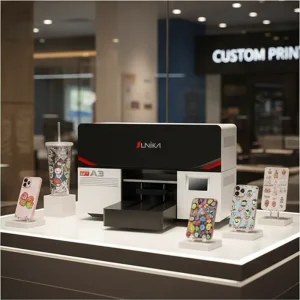
From entry-level manual screen systems to fully integrated multi-nozzle digital production presses
 Fusion Digital Print