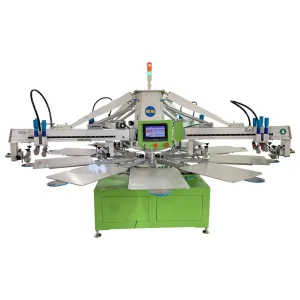
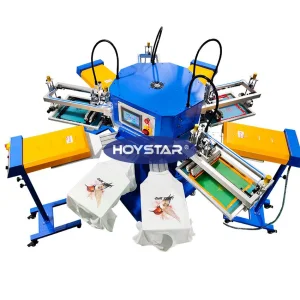
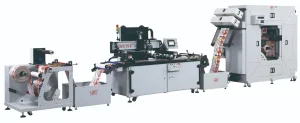
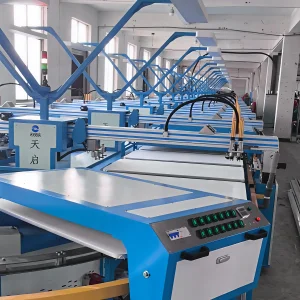
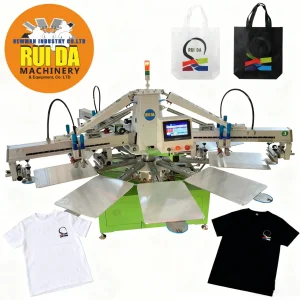
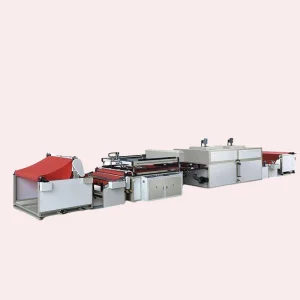
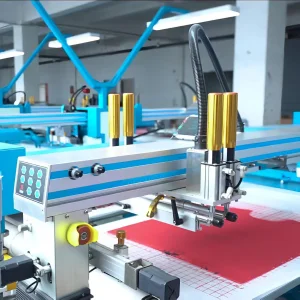
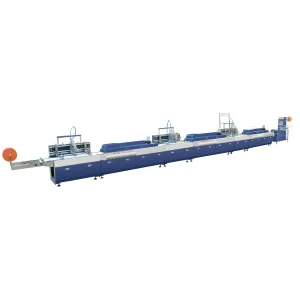
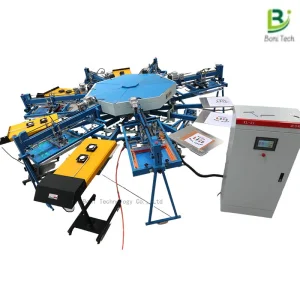
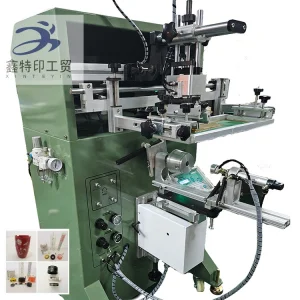
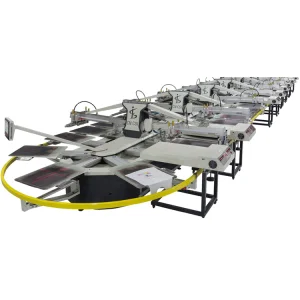
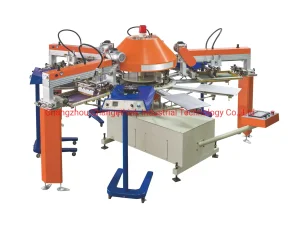
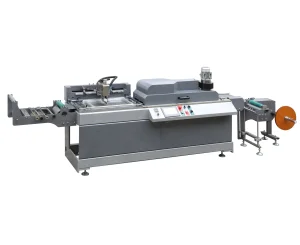
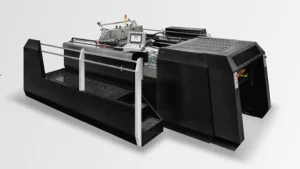
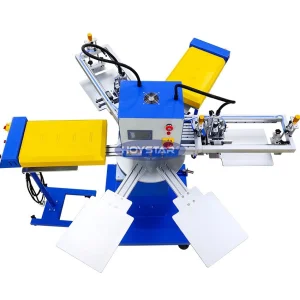
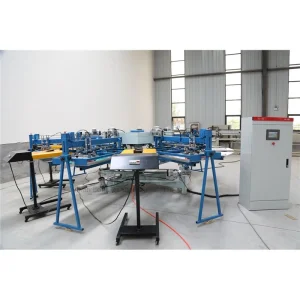
The Republic of the Marshall Islands (RMI), though geographically remote, is witnessing a significant shift in its localized manufacturing sector. As the demand for customized apparel, tourism merchandise, and corporate branding grows within Majuro and Ebeye, the need for robust, salt-air resistant, and high-efficiency textile screen printing machines has become paramount. Unlike traditional global hubs, the Marshall Islands requires machinery that balances heavy-duty performance with ease of maintenance.
In the Pacific region, the textile industry is no longer just about mass production; it is about User Intent Mining—understanding that local businesses need to produce high-quality cultural garments and souvenirs that reflect the unique identity of the islands. Our role as a leading manufacturer is to provide the bridge between China's Industry 4.0 efficiency and the specific logistics-challenged environments of the Oceania markets.
At Foshan Fusion Digital Print Co., Ltd., we embody the pinnacle of Industry 4.0. Our manufacturing process integrates AI-driven precision and automated quality control to ensure every carousel and oval screen printing machine meets international standards. For our clients in the Marshall Islands, this translates to unmatched reliability.
Supply chain resilience is not just a buzzword; it is our promise. We understand that importing industrial equipment to the RMI involves complex logistics. By optimizing our internal production flow and maintaining a vast inventory of spare parts, we ensure that Marshallese businesses experience minimal downtime. Our machines are designed with modular components, allowing for easy troubleshooting even in remote locations.
Servo-driven systems provide micrometer-level precision, reducing ink waste and maximizing output for high-end garment labels and graphics.
Special anti-corrosion coatings and sealed electronics designed to withstand the saline and humid environment of Pacific island nations.
Eco-friendly ink compatibility and energy-efficient drying systems align with the Marshall Islands' commitment to environmental preservation.
The global textile screen printing market is evolving towards Hybrid Solutions. Combining the speed of traditional screen printing with the detail of digital inkjet is the current gold standard. For exporters serving the Marshall Islands, providing "Information Gain" means educating users on how to leverage these technologies to capture the "Long Tail" of the market.
A: We provide comprehensive export documentation and utilize specialized ocean freight partners experienced in Pacific routes. Installation is supported via detailed HD video guides and live remote technical assistance.
A: Yes. We use high-grade stainless steel for critical components and industrial-strength powder coatings that prevent oxidation in coastal environments like Majuro.
A: Depending on the complexity (e.g., a 46-color custom unit), lead times range from 30 to 60 days, followed by efficient transit to the RMI ports.
A: Absolutely. We offer virtual training sessions and have a library of "Experience-Based" troubleshooting manuals designed for non-technical staff.
 Fusion Digital Print