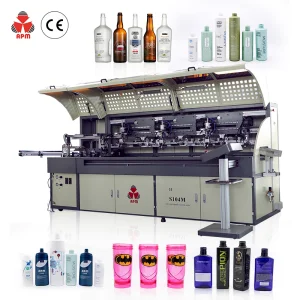
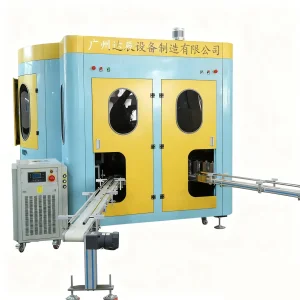
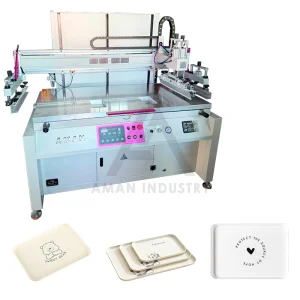
Mali's industrial landscape is undergoing a significant transformation. As the regional demand for bottled beverages, cosmetic products, and pharmaceutical supplies grows within the West African Economic and Monetary Union (UEMOA), the need for localized, high-quality decorative glass printing has reached a tipping point. Historically, Malian enterprises relied on imported pre-printed glass containers from Europe or North Africa. However, the modern Mali market factory model is shifting toward in-house production to reduce lead times and logistics costs.
Glass screen printing machines represent the pinnacle of this shift. By integrating Chinese Factory 4.0 technologies, Malian business owners can now achieve "Information Gain" in their manufacturing processes—leveraging real-time data, high-speed registration, and LED UV curing systems that were previously only available to global conglomerates.
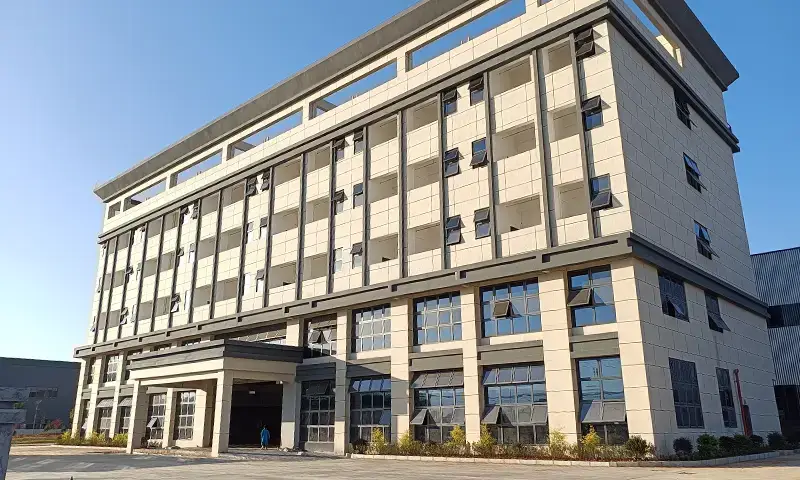
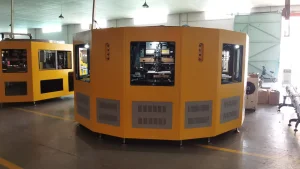
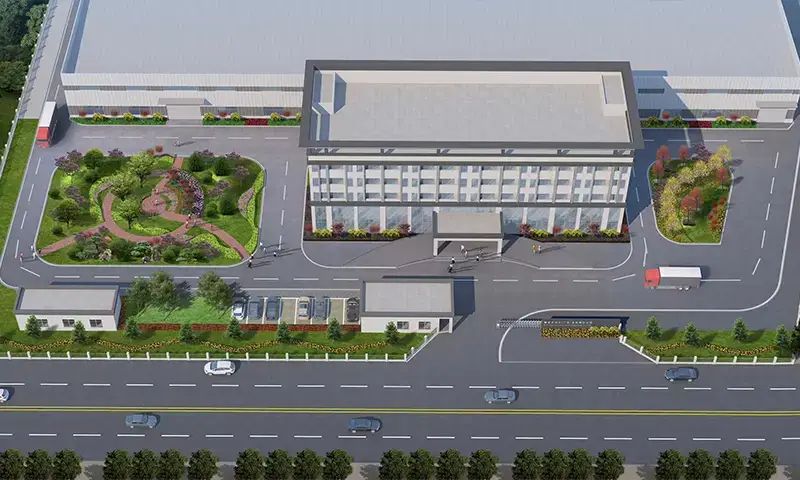
In the era of supply chain volatility, the "China Factory 4.0" initiative has redefined how glass screen printing machine factories operate. Our Foshan-based facility, spanning over 8,000 square meters, integrates CNC precision with modular assembly. For the Mali market, this means machines are built with supply chain resilience in mind—using standardized parts that are easy to maintain even in remote industrial zones like Kayes or Sikasso.
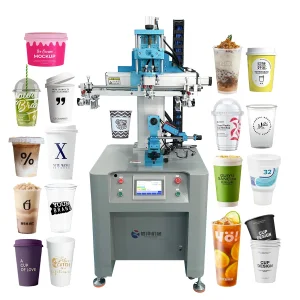
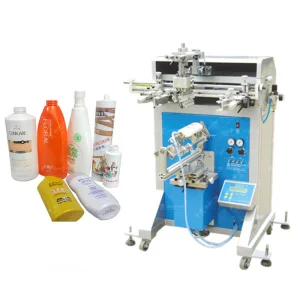
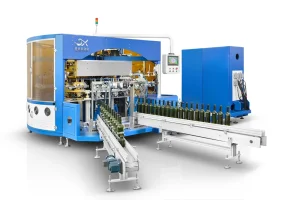
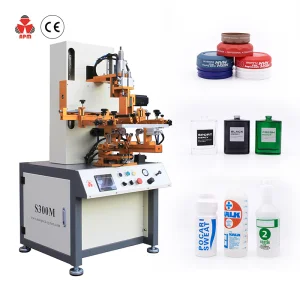
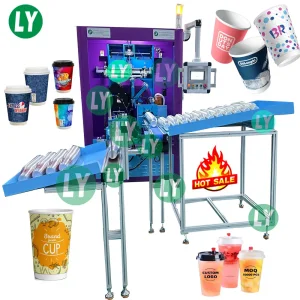
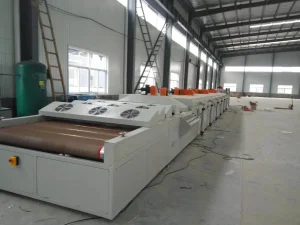
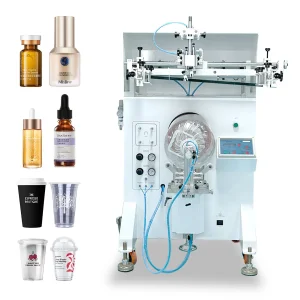
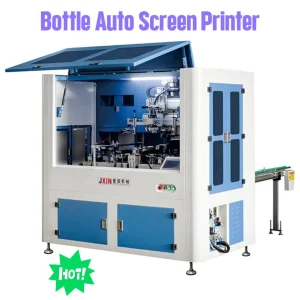
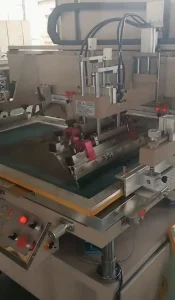
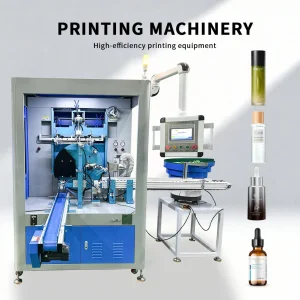
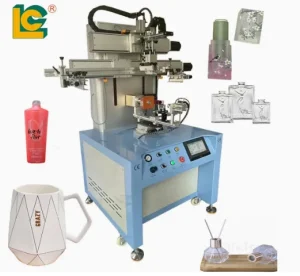
The global trend is moving away from manual, single-color silk screening toward fully automatic CNC-controlled multi-color systems. These machines allow for complex logo registration on irregular glass surfaces, such as perfume bottles or high-end honey jars, which are becoming increasingly popular in Mali’s expanding agribusiness sector. The transition to LED UV drying systems ensures that the ink cures instantly, allowing for immediate packaging and distribution.
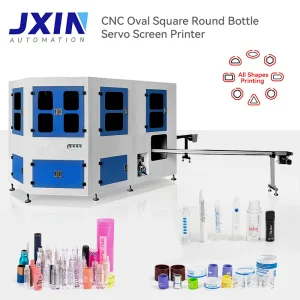
When selecting a glass screen printing machine factory for the Mali market, expertise (E-E-A-T) is paramount. Our machines utilize Customized Servo Motors for polygon and complicated-shape glass, ensuring that even the most challenging bottle geometries are printed with zero defects. This isn't just about selling a machine; it's about providing a sustainable industrial solution.
Our R&D specialists focus on "Information Gain" by analyzing the specific environmental conditions of West Africa—such as heat and dust—to optimize the filtration systems and ink viscosity controls of our automatic printers. This ensures longevity and reliability that generic manufacturers simply cannot match.
Chinese Factory 4.0 standards offer a perfect balance of advanced technology (like CNC control and UV LED curing) and cost-efficiency. Our machines are designed for high durability and come with modular components, making them ideal for the growing industrial infrastructure in Bamako.
We provide full logistics support from Foshan port to Bamako. For installation, we offer two paths: either remote digital commissioning via high-definition video link or on-site engineering support where our technicians travel to your facility to train your local workforce.
Yes. Our machines can be equipped with customized industrial power stabilizers and voltage regulators specifically designed for the West African grid, ensuring the sensitive electronic components of the servo motors are protected.
Depending on production volume, most of our Malian clients see a return on investment within 12 to 18 months. By eliminating the cost of pre-printed bottle imports and reducing breakage during transport, the savings are immediate.
Absolutely. We provide a complete "turnkey" solution which includes matching the right UV inks, screens, and squeegees for your specific glass types. We also maintain a stock of critical spare parts for rapid dispatch to Mali.
Join the growing list of Malian industrial leaders who have modernized their factories with our advanced screen printing technology.
 Fusion Digital Print