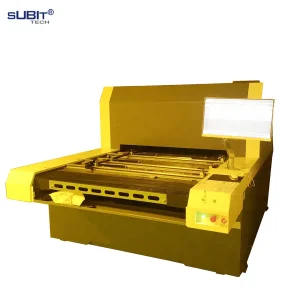
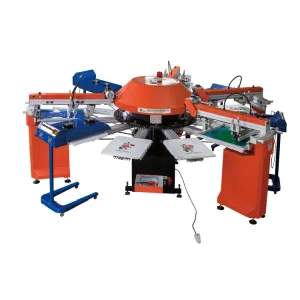
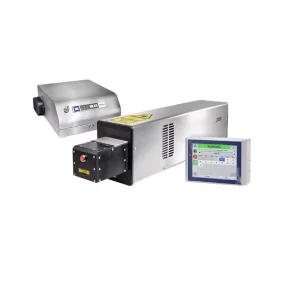
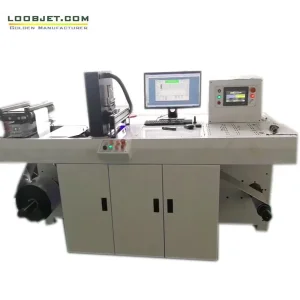
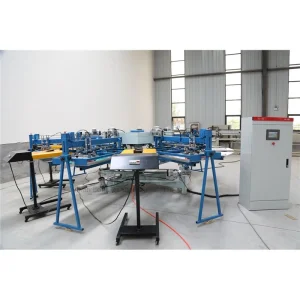
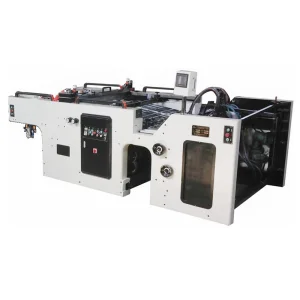
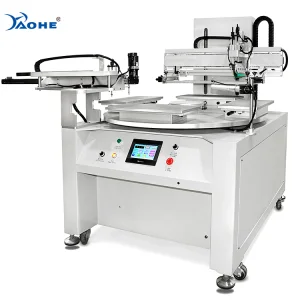
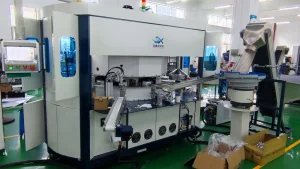
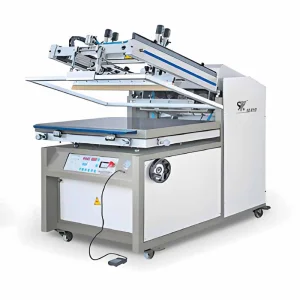
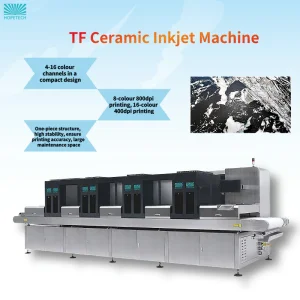
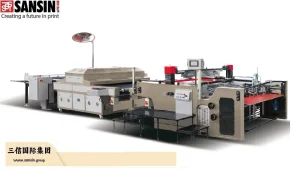
Explore our premium-tier industrial screen print engines and high-efficiency UV LED drying systems built for water-based formulation compatibility.
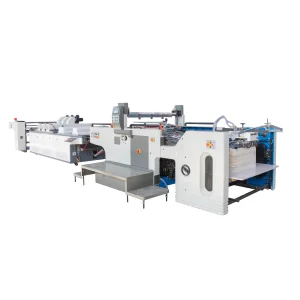
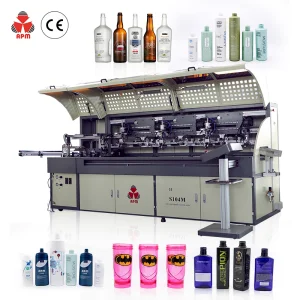
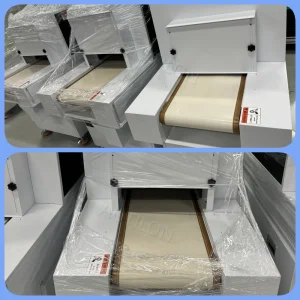
The global print manufacturing sector is undergoing an unprecedented ecological paradigm shift. Water-based ink technologies have transformed from optional, eco-conscious alternatives into high-performance industrial necessities.
Strict international guidelines (including EU REACH, EPA clean air regulations, and VOC limitations) have accelerated the phase-out of volatile organic solvents. Modern manufacturing demands chemistry that drastically cuts environmental impacts while safeguarding workplace safety.
Historically limited to porous mediums like paper and textiles, water-based formulations now integrate advanced acrylic and polyurethane dispersions (PUDs). This enables high-adhesion performance on non-porous surfaces, including flexible packaging films, PET, and glass.
By leveraging water as a carrier, manufacturers bypass high solvent reclamation costs and expensive explosion-proof plant safety equipment. Lower insurance rates combined with minimized post-processing remediation deliver a highly compelling long-term return on investment.
Designing state-of-the-art water-based inks requires deep chemical expertise and precision manufacturing hardware. Our current research focus bridges the gap between molecular chemistry and mechanical delivery systems.
Developing ultra-fine, surfactant-stabilized pigment dispersions prevents nozzle blockages in high-frequency piezoelectric printheads. Standardizing target particle distributions under 150nm guarantees consistent color density and superior lightfastness across variable substrates.
Integrating innovative low-temperature self-crosslinking polyurethane dispersions (PUDs) ensures print coatings achieve maximum physical scratch and chemical resistance without requiring high curing temperatures, protecting thermal-sensitive packaging foils.
Formulating bio-based humectants optimizes the ink's latency time at the nozzle plate. This balances fast drying on substrate surfaces with anti-clogging open-time inside the printhead, enabling seamless high-speed production runs.
Foshan Fusion Digital Print Co., Ltd. is a dynamic, innovation-driven enterprise specializing in industrial digital printing, advanced inkjet technology, and surface decoration solutions. Located in Foshan, a premier global manufacturing hub, the company leverages a robust industrial ecosystem and streamlined logistics to export high-performance machinery worldwide.
Operating a state-of-the-art production facility exceeding 8,000 square meters, the plant is equipped with advanced manufacturing and quality testing equipment to guarantee consistent product quality. Our team consists of more than 120 skilled staff, including experienced engineers, chemistry specialists, and technical service support personnel dedicated to long-term customer success.
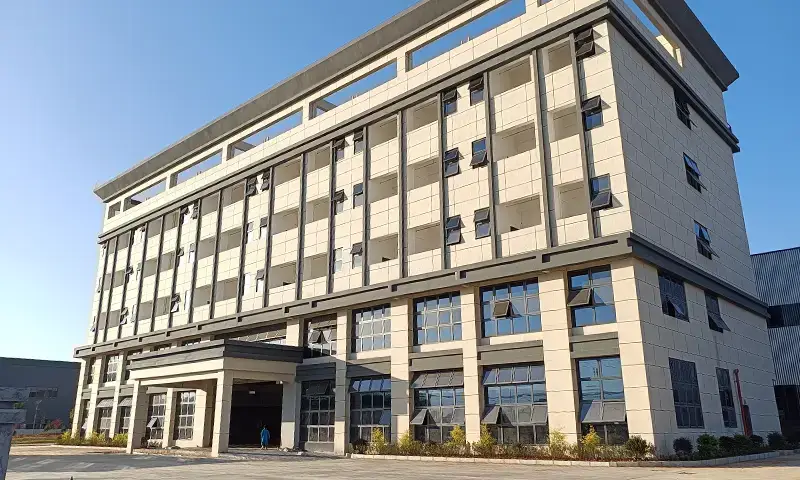
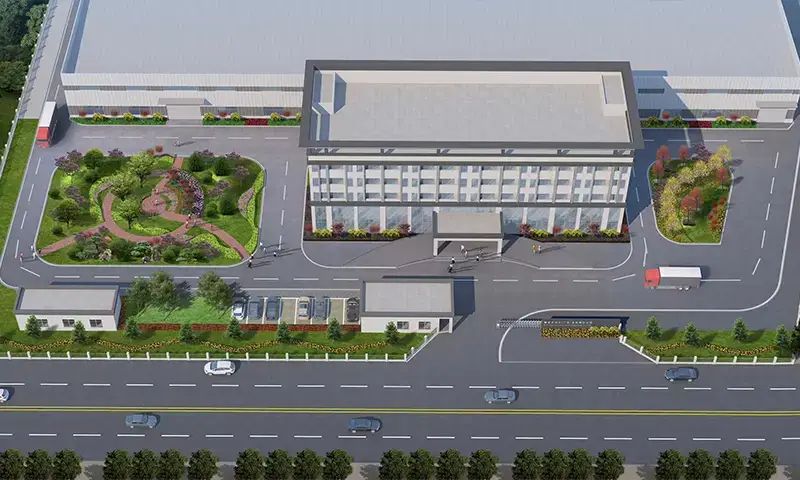
Our comprehensive production systems target precision, operational efficiency, and rapid configuration adjustments. We serve core markets including textile processing, precision ceramics, architectural glass, and specialized industrial surfaces.
Through robust R&D investments, Foshan Fusion Digital Print Co., Ltd. delivers intelligent, future-ready machinery. We actively partner with global manufacturing plants, offering tailored setups that minimize VOC footprint, reduce overall ink consumption, and maximize daily production yield.
Different regional markets exhibit unique climatic conditions, regulatory rules, and substrate configurations. We deliver optimized system pairings designed for local operational demands.
Focuses on minimizing carbon footprints and reducing operational energy. We supply water-based systems paired with low-temperature IR and high-density convection drying lines to meet strict European carbon offset requirements.
Formulated for warm, humid production environments. Inks feature enhanced wet-rub resistance and customized humectant profiles to prevent premature drying on the screens while ensuring fast curing on substrate lines.
Engineered for high-volume automated print lines. These configurations prioritize high-speed curing compatibility and strong chemical resistance, matching strict FDA compliance codes for indirect food packaging contact.
Expert insights from our senior chemical engineering team addressing performance optimization, maintenance protocols, and curing technology.
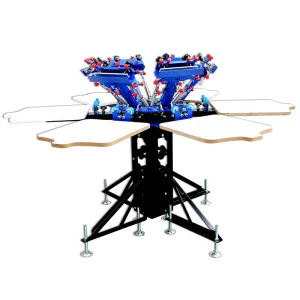
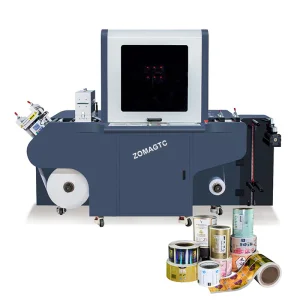
Explore our advanced rotary presses, high-speed flatbeds, and high-performance digital printing systems engineered for modern manufacturing plants.
 Fusion Digital Print