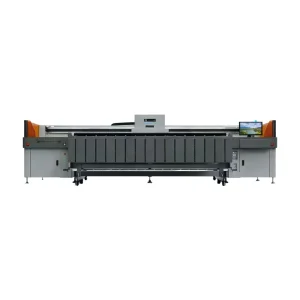
Explore high-capacity machinery, advanced UV-LED modules, and multi-color screen printing equipment engineered for rigorous industrial processing.
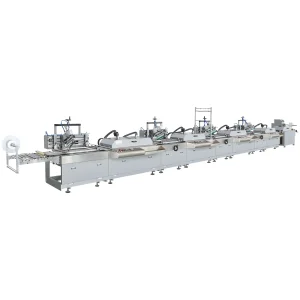
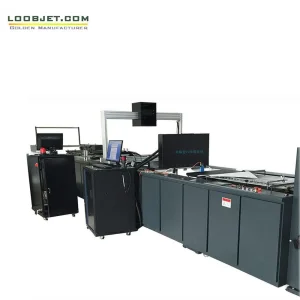
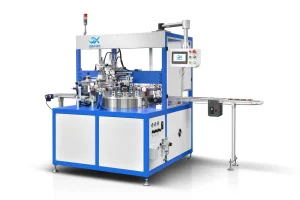
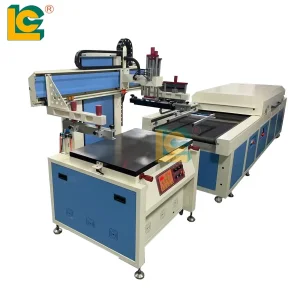
Foshan Fusion Digital Print Co., Ltd. is a dynamic and innovation-driven enterprise specializing in industrial digital printing, advanced inkjet technology, and surface decoration solutions. Located in Foshan, a well-known manufacturing hub in China, the company benefits from a strong industrial ecosystem and convenient global logistics.
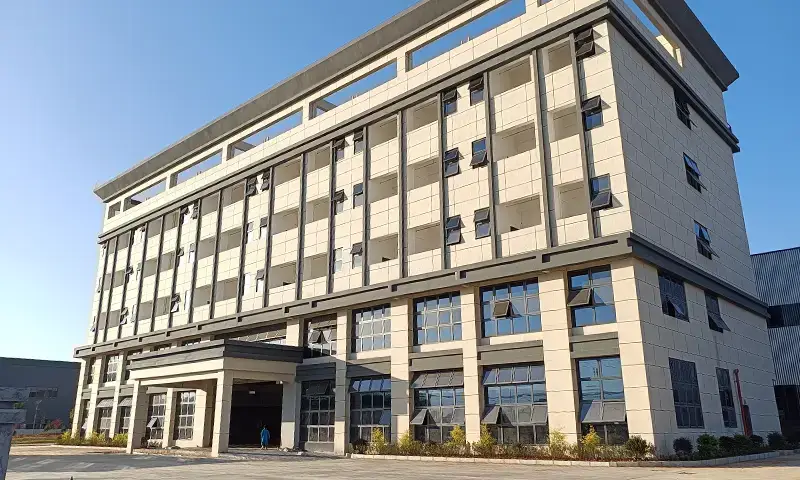
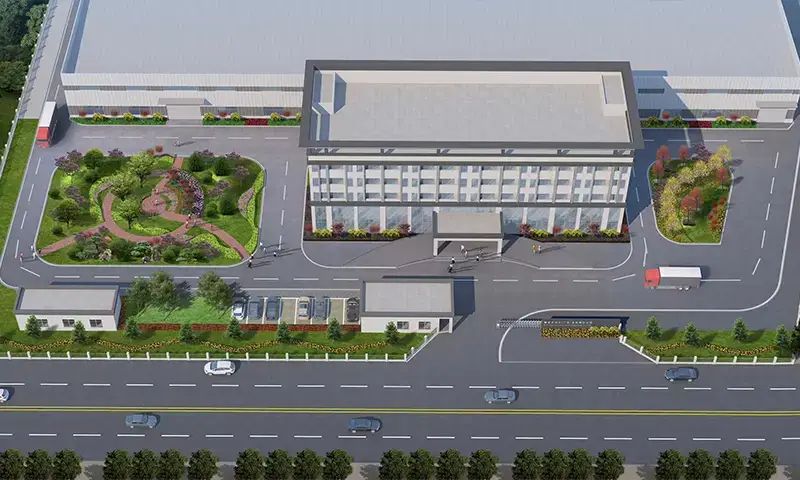
The company operates from a modern production facility covering over 8,000 square meters, equipped with advanced manufacturing and testing equipment to ensure consistent product quality. Foshan Fusion Digital Print Co., Ltd. employs a professional team of more than 120 skilled staff, including experienced engineers, R&D specialists, and technical service personnel dedicated to continuous innovation and customer support.
Focusing on high-performance digital printing systems, the company provides integrated solutions widely used in textiles, ceramics, glass, and industrial materials. Its product portfolio emphasizes precision, efficiency, and adaptability, helping clients optimize production processes and reduce operational costs.
Balancing Total Cost of Ownership (TCO), precision, and throughput efficiency across high-demand industrial sectors.
For modern tier-1 manufacturing enterprises, procurement extends far beyond initial capital expenditure (CAPEX). High-capacity screen printing systems must optimize operational expenditures (OPEX) by minimizing energy consumption, optimizing ink yield, and offering long-term reliability. Advanced LED UV curing systems drastically reduce electricity draw compared to mercury-vapor lamps, providing significant ROI over multi-shift operational years.
Modern global logistics require manufacturing pipelines to be fully visible and digitally traceable. Automated print systems are now integrated with centralized PLC systems, providing real-time telemetry, error codes, and production throughput data directly to Enterprise Resource Planning (ERP) databases. Choosing systems equipped with industrial Ethernet or Modbus protocol ensures immediate operational compatibility.
Industrial machinery deployed across the EU and North American markets must satisfy stringent safety and environmental regulations. Compliance with the Machinery Directive, CE declarations, UL listing components, and RoHS certifications guarantees safety and mitigates legal liabilities. High-power air-cooling UV systems and solid-state COB LED modules comply with mercury-free regulatory initiatives worldwide.
Tailored mechanical designs and curing integrations addressing specific manufacturing substrates and operating speeds.
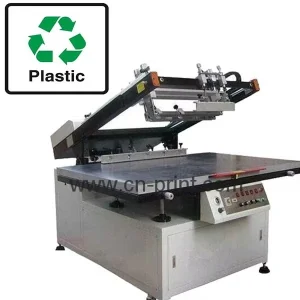
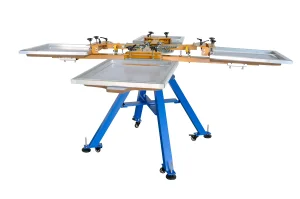
Textile and apparel packaging requires high mechanical uptime and rapid ink curing. The combination of multi-color rotary silk screen systems and high-stability oblique arm screen printers ensures consistent ink deposit. This provides excellent washing resistance, clear contours, and vibrant pigment density on elastic fabrics, woven polyester labels, and non-woven shopping bags.
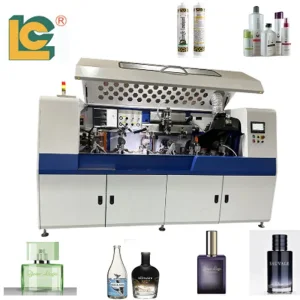
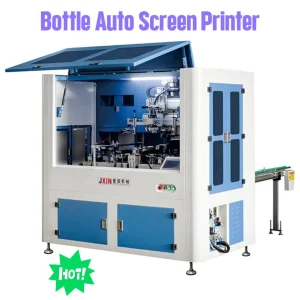
For high-end cosmetics, pharmaceutical containers, and consumer glassware, precision registration is critical. CNC-driven multi-color screen printing machines use multi-axis servo systems to synchronize rotation, tilt, and positioning. This allows for precise print registration on cylindrical, oval, and square bottles, resulting in seamless graphic wraps.
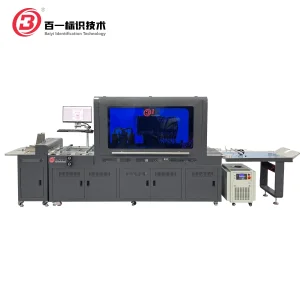
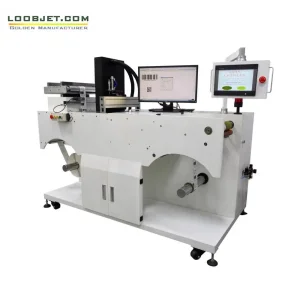
Traceability in modern supply chains demands inline high-resolution digital labeling. Integrated transport lines with digital piezo inkjet systems write variable 2D barcodes, serial numbers, and anti-counterfeiting data at web speeds exceeding 150m/min. These systems use high-intensity UV LED curing modules for instant ink polymerization.
Innovative engineering developments driving the transition toward hybrid digital printing processes.
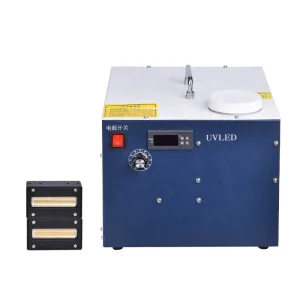
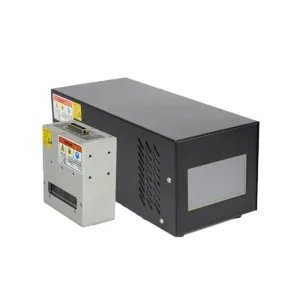
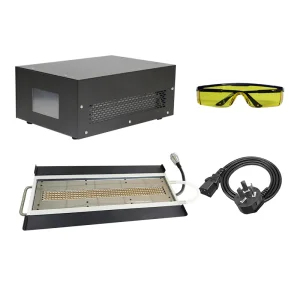
Transitioning industrial machinery from mercury vapor curing to solid-state UV LED technology. By packaging COB (Chip-on-Board) arrays with peak wavelengths of 385nm and 395nm, manufacturers achieve optical irradiance of up to 16W/cm² to 20W/cm². This advancement eliminates substrate deformation caused by infrared heat, reduces energy consumption by up to 70%, and provides immediate operational stability without warm-up delays.
The integration of high-density flatbed screen printing units with multi-axis digital piezo inkjet stations. This setup enables high-speed spot varnishing, heavy under-base white printing via traditional screen plates, and high-resolution variable data printing (VDP) in a single pass. Intelligent vision systems compensate for alignment variations on non-uniform containers in real-time.
Future automated print lines will integrate micro-camera assemblies down the line from curing arrays to inspect graphics in real-time. Automated edge detection algorithms will instantly detect misalignments, ink voids, and color shifts. The control unit dynamically adjusts the servo actuators and printhead firing voltages, reducing waste rates toward zero.
How China's leading manufacturing ecosystems guarantee quality components, reliable delivery, and global after-sales support.
By leveraging the industrial capabilities of Foshan and the wider Pearl River Delta, equipment features robust components: Japanese piezo printheads, German linear guides, and Schneider electrical systems. This combination ensures long machine service lives and global availability of spare parts.
Before leaving the factory floor, every piece of machinery undergoes strict verification. From testing continuous 72-hour operating cycles under load to analyzing micro-level ink distribution on client-provided substrates, these evaluations ensure plug-and-play installation upon arrival.
To reduce production downtime, factories provide clear Service Level Agreements (SLAs). These include 24/7 video diagnostics, remote PLC software calibration, and partner technician dispatches to Europe, North America, and Southeast Asia for installation, commissioning, and staff training.
Industrial insights and technical answers from our engineering team.
UV LED systems operate at specific wavelengths (typically 365nm, 385nm, or 395nm), emitting minimal infrared heat. This prevents thermal distortion on thin or heat-sensitive substrates. Unlike traditional mercury vapor systems, UV LEDs don't require warm-up cycles, consume up to 70% less energy, and have a operating lifespan exceeding 20,000 hours, compared to only 1,000 hours for mercury bulbs. In addition, UV LEDs are mercury-free and comply with modern environmental regulations.
Our multi-axis CNC systems use servo motors synchronized by a central PLC controller. Linear guides and rotational axes dynamically adjust the target container's orientation relative to the screen frame or inkjet printheads. High-resolution optical sensors identify registration markers on glass, plastic, or metal surfaces. The system automatically corrects for minor alignment deviations within ±0.02 mm, enabling precise printing on oval, conical, and square packaging shapes.
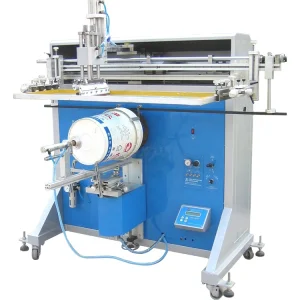
Yes. Our industrial flatbed and rotary screen systems are engineered to apply thick ink films, decorative spot UV layers, conductive silver pastes, and high-opacity whites. The pneumatic squeegee assemblies can be adjusted for speed and pressure. When combined with inline UV LED curing arrays or hot-air dryers, these systems achieve clean dot reproduction and edge definition, even during high-speed, continuous manufacturing runs.
Every industrial print system shipped internationally comes with comprehensive CE compliance certificates, adhering to the Machinery Directive 2006/42/EC and Electromagnetic Compatibility Directive 2014/30/EU. In addition, critical electrical parts use UL-listed components. On request, we provide full risk assessments, safety circuit wiring schematics, and complete material declarations conforming to RoHS and REACH requirements.
Highly specialized flatbed printers, custom UV arrays, and heavy-duty screen-printing configurations.
 Fusion Digital Print