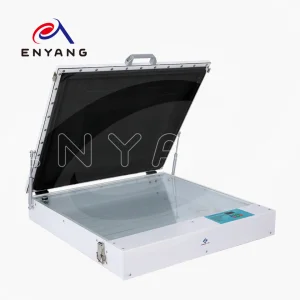
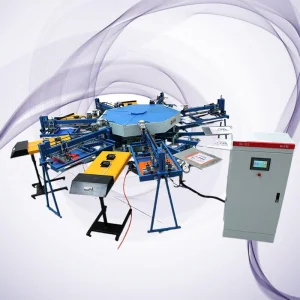
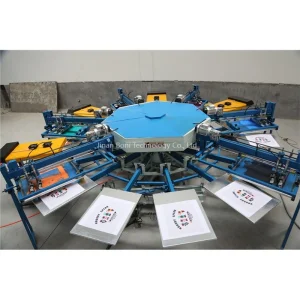
Optimized for precision assembly, electronic packaging, and high-yield solder paste deposition across industrial setups in Kigali and beyond.
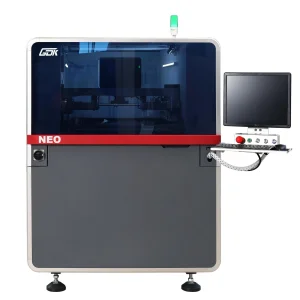
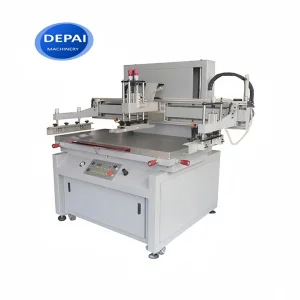
Bridging Chinese manufacturing excellence with Rwanda's ambitious Vision 2050 infrastructure blueprint.
Rwanda has positioned itself as the "ICT Hub of East Africa." Under key initiatives like the Smart Rwanda Master Plan and the expansion of the Kigali Special Economic Zone (KSEZ), the nation is pivoting from mere consumer technology consumption to local electronic hardware assembly. Sub-sectors such as smart electric meters, LED illumination products, mobile phone assembly, and local automotive electrical components are experiencing double-digit annual growth rates.
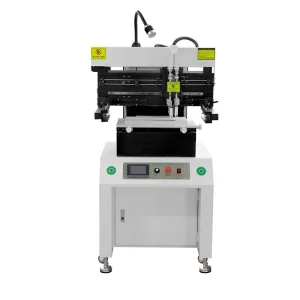
Establishing an electronic assembly line requires highly precise machinery. Printed Circuit Board (PCB) screen printing—whether for Solder Resist (Green Mask), component legends (silkscreen), or solder paste deposition during Surface Mount Technology (SMT) assembly—is the fundamental baseline process. To support this growth, local factories demand equipment with low maintenance profiles, high resilience to ambient humidity/dust, and precise micro-alignment technology.
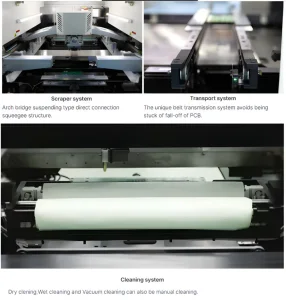
"By deploying advanced automated optical alignment (CCD) systems and pneumatic-controlled paste scrapers, Foshan Fusion Digital Print Co., Ltd. enables Rwandan electronic factories to achieve Western-grade PCB yields with a optimized Total Cost of Ownership (TCO)."
Unpacking the engineering parameters behind zero-defect solder paste deposition and mask coating.
In modern electronic production, screen printing is used in two key stages:
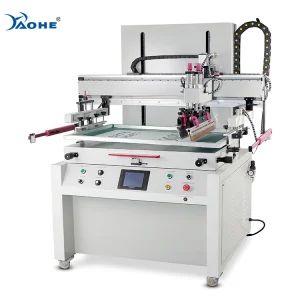
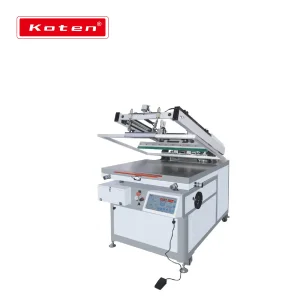
For factories in East Africa balancing capital expenditure with operational reliability, we provide targeted solutions:
| Feature/Metric | Semi-Automatic PCB Printer (Air Suction) | Fully Automatic SMT Stencil Printer (CCD) |
|---|---|---|
| Alignment Precision | ±0.03 mm (Manual Micrometer) | ±0.01 mm (Closed-Loop Vision Camera) |
| Best Application Scenario | Prototype Labs, Power Board Assembly, Training Labs | High-volume Smart Metering, Telecom Modules |
| Viscosity Range Supported | Medium to High (Ink, Epoxies, Paste) | Highly Sensitive Paste (Type 3 / Type 4 / Type 5) |
| Worktable Functionality | Air Suction Vacuum Table (Prevents thin board warping) | Universal Side clamping & Magnetic Pins |
Industrial environments in Central and East Africa present specific manufacturing challenges:
A trusted global supplier of industrial digital printing, SMT stencil printing, and surface decoration systems.
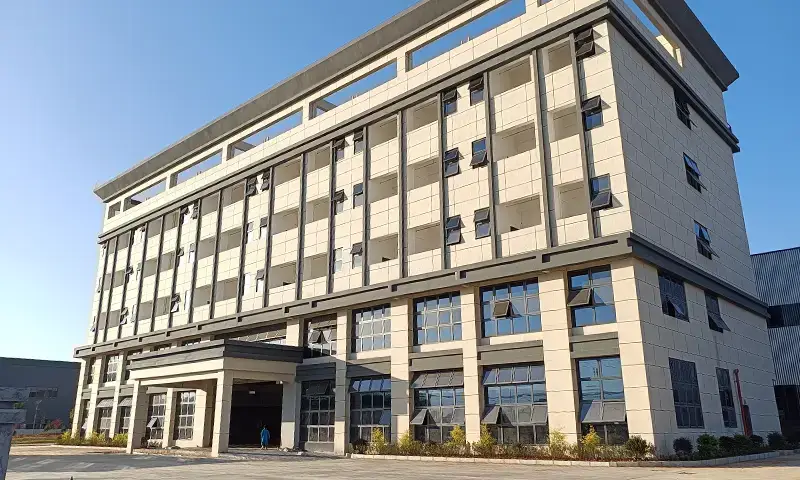
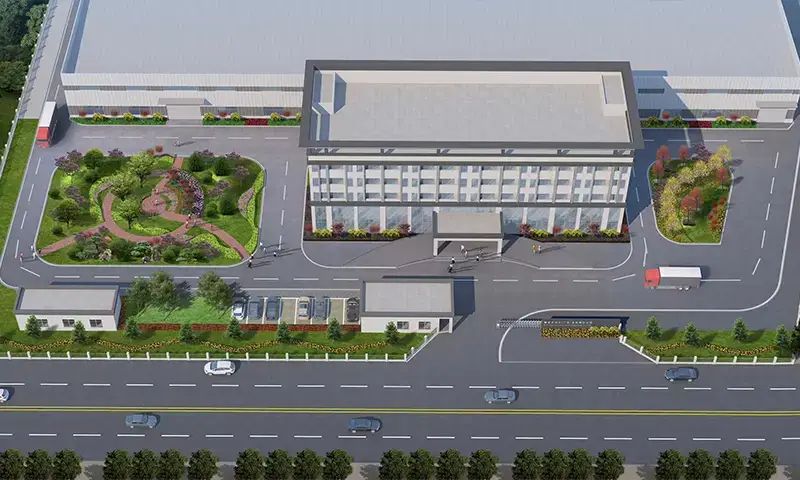
Foshan Fusion Digital Print Co., Ltd. is a dynamic, innovation-driven enterprise specializing in industrial digital printing, advanced inkjet technology, and surface decoration solutions. Located in Foshan, a well-known manufacturing hub in China, the company benefits from a strong industrial ecosystem and convenient global logistics.
The company operates from a modern production facility covering over 8,000 square meters, equipped with advanced manufacturing and testing equipment to ensure consistent product quality. Foshan Fusion Digital Print Co., Ltd. employs a professional team of more than 120 skilled staff, including experienced engineers, R&D specialists, and technical service personnel dedicated to continuous innovation and customer support.
Focusing on high-performance digital printing systems, the company provides integrated solutions widely used in textiles, ceramics, glass, and industrial materials. Its product portfolio emphasizes precision, efficiency, and adaptability, helping clients optimize production processes and reduce operational costs.
With a commitment to technological advancement and strict quality control, Foshan Fusion Digital Print Co., Ltd. has established long-term partnerships with customers across global markets. The company continues to invest in research and development, aiming to deliver reliable, intelligent, and future-ready printing solutions for modern manufacturing industries.
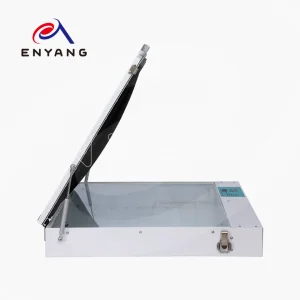
From flatbed screen printers to double-sided UV exposure units, we supply all the machinery needed to build a complete production line.
How we help manufacturing plants in Rwanda design, build, and optimize their electronic assembly systems.
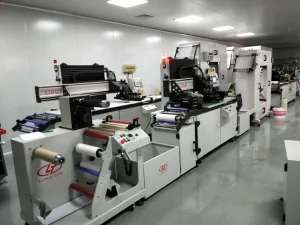
For companies upgrading from manual table printing to semi-automatic or high-volume automated lines, selecting a single printer is not enough. You must consider how the printer interacts with other equipment in the line.
Our engineering team assists with line layout integration, optimizing process speeds, solder paste selection, and thermal profiling:
Buying capital industrial machinery from overseas requires trust. Foshan Fusion Digital Print Co., Ltd. ensures reliability at every stage of the process:
1. Factory Acceptance Testing (FAT): Before shipment from our facility in Foshan, every machine undergoes run-time testing using custom test plates to verify alignment and repeatability. Customers receive complete video reports.
2. Export Packaging: All machines are shipped in vacuum-sealed plastic wrap with desiccant packs, packed inside heavy-duty, reinforced wooden crates to prevent moisture or mechanical damage during sea transport to Dar es Salaam or Mombasa, and road transit to Kigali.
3. Support and Spare Parts: We maintain a stock of wearing parts, such as squeegee blades, solenoid valves, and proximity sensors, ensuring fast replacement shipping to minimize line downtime in Rwanda.
Common questions from engineering managers and factory owners regarding importing, setup, and operations in East Africa.
Contact our application engineers for technical consultations, customized machine recommendations, and detailed factory-direct pricing for the Rwandan and wider East African markets.
Send Inquiry Now Fusion Digital Print