High-precision SMT stencils, solder paste printers, and semi-automatic systems customized for regional manufacturing hubs in Lesotho.
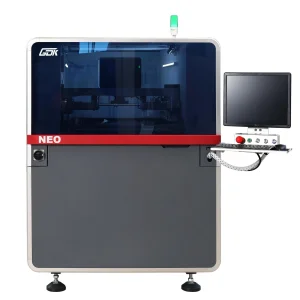
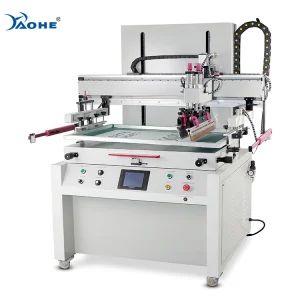
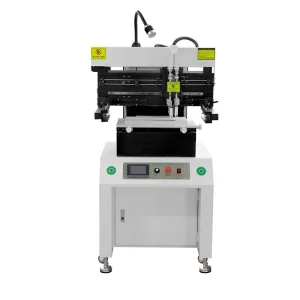
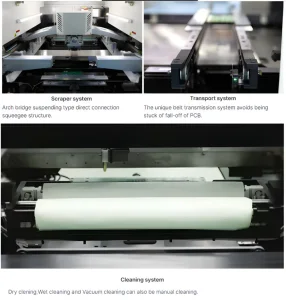
As Sub-Saharan Africa undergoes a rapid digital transformation, Lesotho is strategically positioning itself to move beyond traditional apparel manufacturing toward high-value light industrial assembly and technology production. Supported by regional economic frameworks like the Southern African Development Community (SADC) and preferential trade access under the African Growth and Opportunity Act (AGOA), local electronics assemblers and electrical goods factories are modernizing. Industrial screen printing—historically used in the country's dominant textile mills—is finding high-technology application in the deposition of solder paste, conductive silver inks, and dielectric layers for printed circuit boards (PCBs).
Establishing reliable domestic PCB prototyping and assembly capabilities is critical to reducing reliance on imported components, lowering logistics overhead, and shrinking product development cycles. This whitepaper analyzes how advanced PCB screen printing equipment serves as the foundation for modern electronic manufacturing services (EMS) in Lesotho, supporting local applications from smart utility meters to solar off-grid energy infrastructure.
Historically concentrated in Maseru, Maputsoe, and surrounding industrial zones, Lesotho’s industrial base has been dominated by the textile and footwear sectors. However, the government’s National Strategic Development Plan emphasizes diversification. By investing in electrical engineering training, technical institutes, and basic electronics manufacturing, the country is fostering a local ecosystem capable of processing surface mount technology (SMT) and through-hole PCB assembly lines.
The main drivers of the Lesotho PCB screen printing market include:
In any electronic assembly line, screen printing is the first and most critical stage. Over 60% of all defects in SMT lines trace back to inconsistent solder paste deposition. The printing process involves forcing solder paste—a viscous suspension of solder alloy particles in a chemical flux—through the apertures of a laser-cut stencil onto the copper pads of a bare PCB.
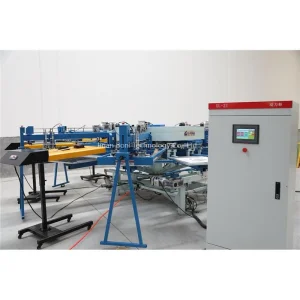
Our PCB screen printing machines are designed to manage these critical process variables:
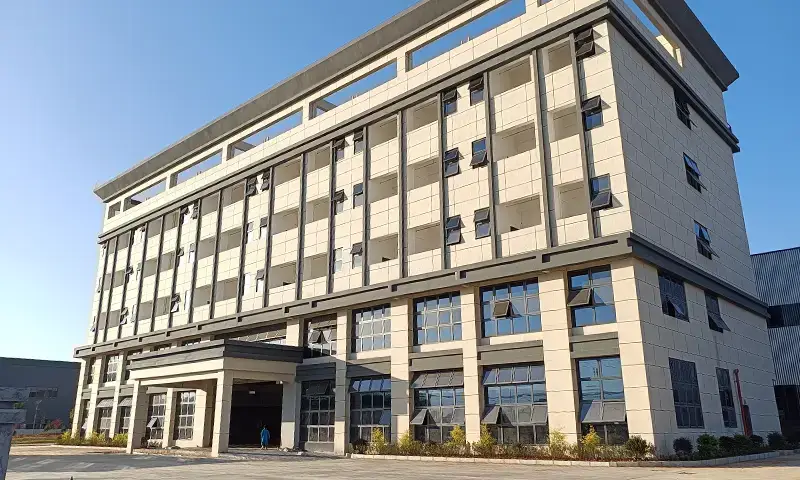
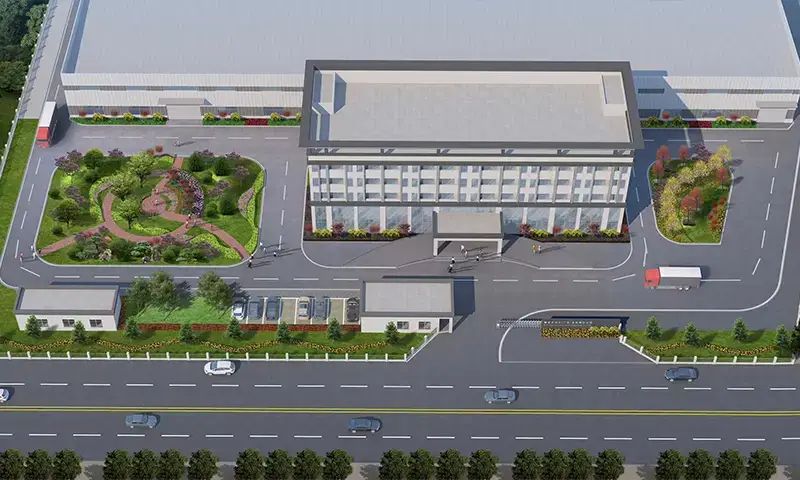
Foshan Fusion Digital Print Co., Ltd. operates a state-of-the-art 8,000-square-meter facility with more than 120 skilled staff, including specialized industrial printing engineers and material scientists. We leverage a robust industrial supply chain in Guangdong, China to produce high-tolerance, highly reliable machinery that resists the challenges of power instability and dry continental climates common to Lesotho's high altitudes.
Why Lesotho electronics manufacturers choose us:
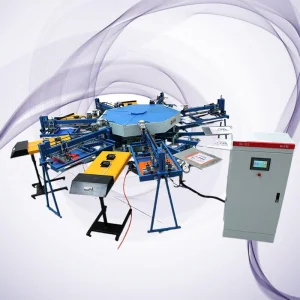
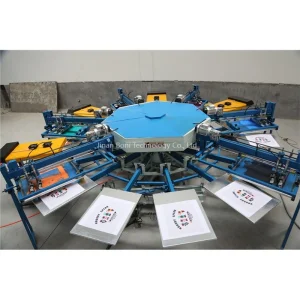
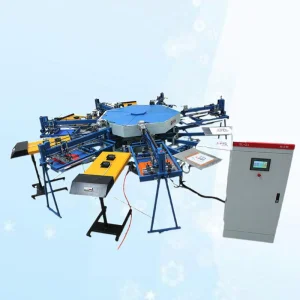
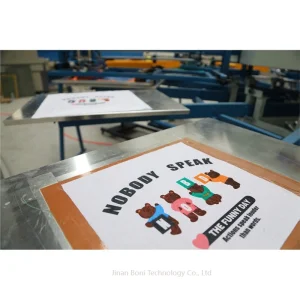
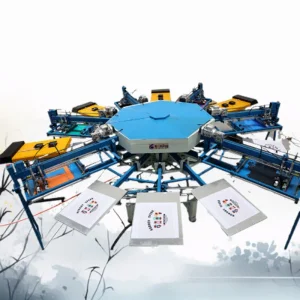
Many factories in Lesotho maintain hybrid business models, combining textile production (such as corporate uniforms, activewear, and promotional garments) with new industrial electronics division investments. To support this dual-use manufacturing approach, we supply highly robust multi-color screen printing equipment alongside specialized PCB SMT machinery. This allows local operations to share infrastructure and optimize capital expenditures.
Deploying advanced industrial machinery in Lesotho requires careful consideration of local grid conditions, physical geography (elevation of Maseru is approx. 1,600m above sea level, affecting pneumatic vacuum rates), and technical standard compliance.
Lesotho operates on a 220V/240V single-phase or 380V/400V three-phase 50Hz electrical system. Our equipment features internal line voltage stabilizers and EMI filters to protect sensitive electronics against grid spikes.
Due to Lesotho's high altitude, air density is lower. We optimize vacuum generators and configure air suction worktables to ensure absolute grip on substrates without losing registration accuracy.
All machinery is built to meet international CE electrical safety standards and conforms with South African Bureau of Standards (SABS) electrical guidelines, facilitating cross-border import clearance.
We provide remote diagnostics modules built into our PLC systems. If technical difficulties arise, our engineering team in Foshan can troubleshoot via network connection. Additionally, on-site commissioning services are available throughout Lesotho.
Different industrial products require specialized printing characteristics. Here is how our machinery portfolio integrates directly into local operations:
Technical Expert Tip: When operating semi-automatic or automatic screen printers in dry highland climates like Lesotho, solder paste solvent evaporation speeds increase. It is highly recommended to control the workshop relative humidity to between 40% and 60% and utilize specialized solvents or lead-free paste variants with high dry-out thresholds.
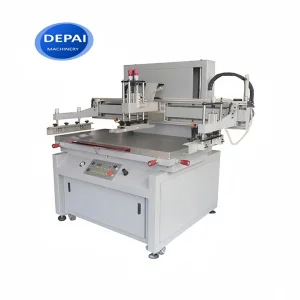
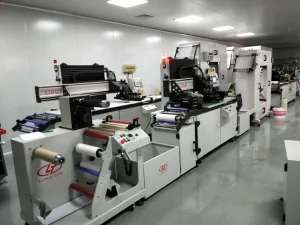
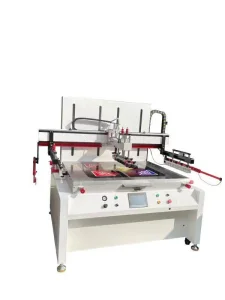
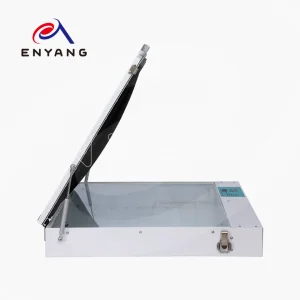
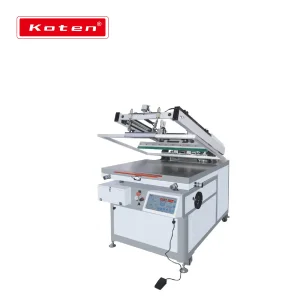
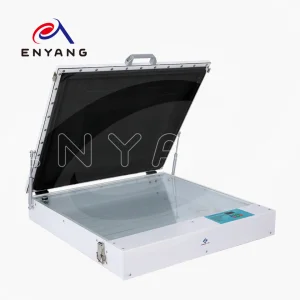
Explore our full line of multi-purpose and vertical silk screen equipment configured for global delivery, serving manufacturing centers throughout Lesotho.
 Fusion Digital Print