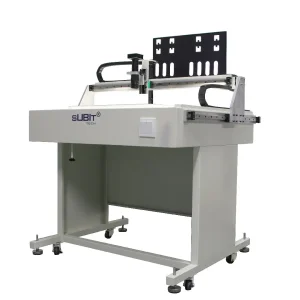
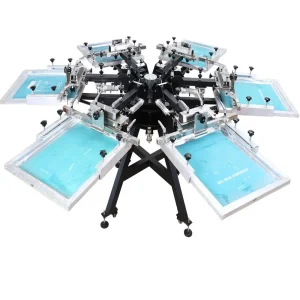
Heavy-duty setups engineered to operate with zero electrical dependency, providing reliable production solutions for the Gilbert and Line Islands.
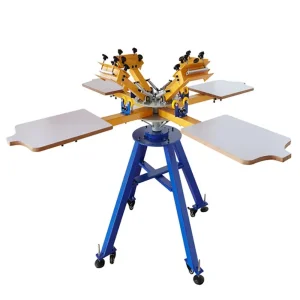
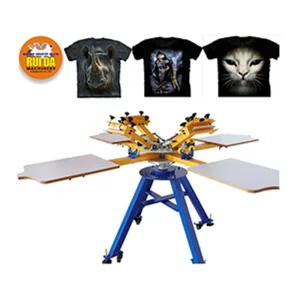
Kiribati, an expansive Pacific island nation spanning 33 atolls including Tarawa, Kiritimati, and the Phoenix Islands, experiences unique logistical and industrial parameters. With vast geographic distances, reliance on imported commodities, and susceptibility to the effects of climate change, cultivating local self-sufficiency in manufacturing is critical. The high cost of electricity generated via localized diesel generators or solar mini-grids presents challenges for heavy machinery.
Manual screen printing equipment serves as an ideal production solution in this context. Requiring no electrical grid connectivity, these systems operate reliably without the risk of electronics failure due to power surges, power drops, or the corrosive effects of maritime salt spray. The mechanics of our machines feature powder-coated finishes and robust mechanical linkages, providing the physical durability needed to withstand Kiribati’s tropical marine environment.
Whether configuring a small business in Bairiki, producing tourist merchandise in Kiritimati, or printing indicators on utility containers in South Tarawa, manually operated systems provide reliable, consistent performance.
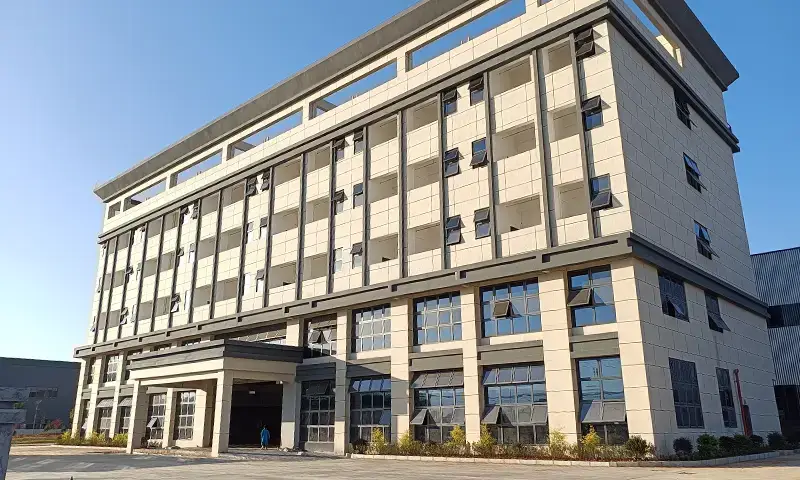
How our advanced manufacturing framework in Foshan, China, translates to high-performance, cost-effective equipment delivered directly to Pacific ports.
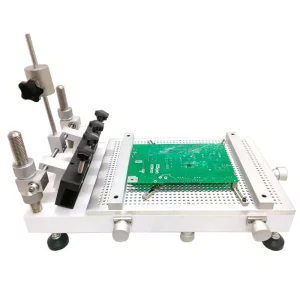
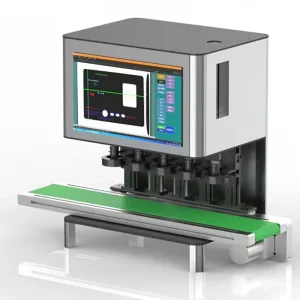
The screen printing market continues to evolve through the integration of manual processes and high-precision inspection technologies. While high-volume digital workflows handle standardized files, manual systems provide the control required for tactile specialty inks, high-density prints, and delicate SMT PCB paste deposition. Industries globally pair manual stenciling with CCD-based optical defect inspection to ensure zero-defect output in short-run environments.
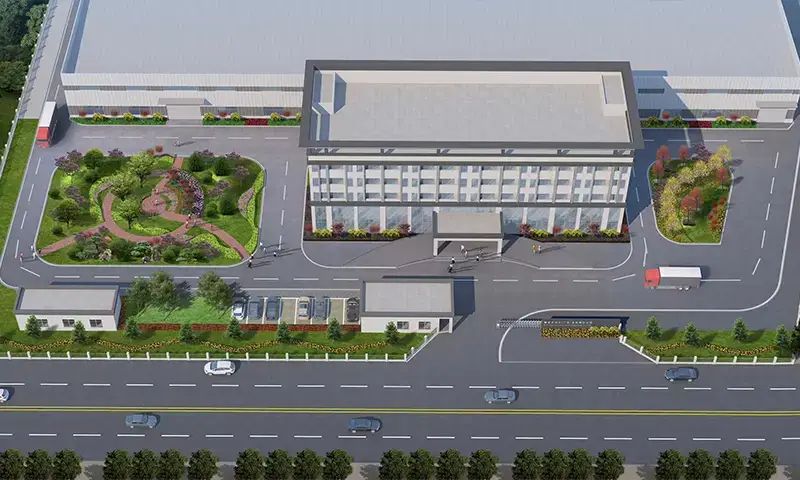
Operating from a modern production facility in Foshan, Guangdong, Foshan Fusion Digital Print Co., Ltd. leverages a highly organized local industrial ecosystem. With over 8,000 square meters of assembly lines and precise testing bays, we build and test screen printers, carousel assemblies, manual micro-registration plates, and optical detection machines under strict industrial quality management systems.
Backed by a team of over 120 skilled professionals, including specialized R&D mechanical design engineers and quality-control inspectors, we ensure every manual printer is aligned precisely. From ensuring the flatness of aluminum pallets to calibrating micro-registration systems to within 0.05mm, our technical staff provides post-sales documentation and design expertise to remote markets.
Providing functional manual printing equipment configured to support local industries across the atolls.
For operations based in Christmas Island (Kiritimati) or South Tarawa, tourism is a key driver of foreign currency. Cruising travelers look for authentic, locally-printed textiles, cultural garments, and tote bags. Standard digital printers suffer from ink-drying issues and electronic failures due to high humidity.
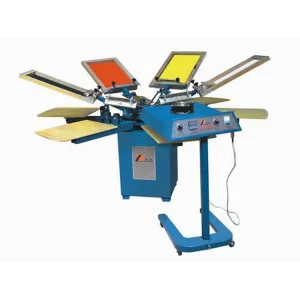
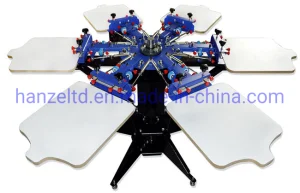
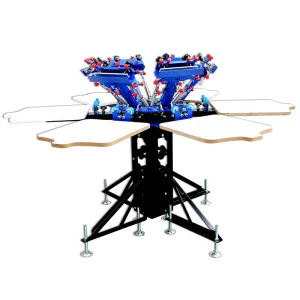
A multi-color manual screen press, such as our Spm T-Shirt Press, coupled with eco-friendly air-curing or solar-curable water-based inks, allows artisans to produce durable, high-contrast, multi-color designs reliably. This independence from expensive drying tunnels ensures profitable margins for local workshops.
Isolated communities require durable packaging and containers for exporting local products, such as coconut oil, dried fish, and artisanal goods. Printing branding directly onto local packaging eliminates the cost and shipping delay of importing adhesive paper labels that deteriorate in hot, humid conditions.
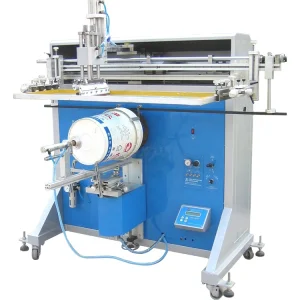
Our specialized Glass Bottles & Big Plastic Bucket Manual Screen Printer allows operators to print continuous graphics on cylindrical containers. This capability enables local water-bottlers, chemical suppliers, and agricultural groups in Tarawa to brand and label their packaging locally, saving on freight costs.
Explore our range of precision-guided multi-color carousels, specialized SMT stencil printers, and CCD inspection units designed for high-yield shops.
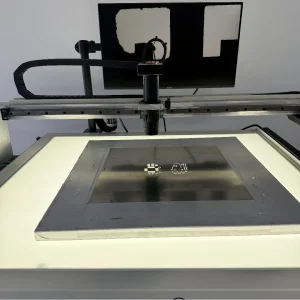
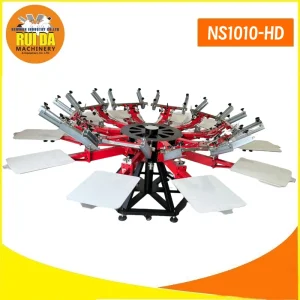
Critical engineering metrics procurement directors analyze before shipping heavy equipment to remote Pacific locations.
For installations near marine environments, raw steel parts oxidize quickly. We implement a dual-stage powder-coat finish alongside galvanized or chrome-plated hardware. This treatment provides high resistance to salt spray and high relative humidity, reducing maintenance overhead in Pacific maritime zones.
Manual alignment relies on rigid mechanical detents. Our micro-registration systems use high-grade bearing guides and lock-down dials, allowing tool-free adjustments that remain secure across hundreds of printing cycles. This mechanical design eliminates reliance on optical sensor networks that can fail in humid conditions.
Shipping to the Port of Betio requires robust logistics coordination. Our equipment is disassembled and secured in modular crates, protecting delicate print heads and rotating platens. Clear visual manuals and basic tools are included to facilitate straightforward setup by local workshops.
Expert technical answers addressing logistics, installation, and operation in Kiribati and remote coastal regions.
 Fusion Digital Print