Selected high-efficiency glass screen printing equipment engineered to optimize production output and address local container decoration needs.
Navigating the transition toward high-barrier, sustainable, and direct-to-surface printed glass containers in the Caribbean region.
In recent years, the Commonwealth of Dominica has witnessed a targeted structural shift toward adding local value to its natural resources. The island’s economy, traditionally anchored by agro-processing, boutique manufacturing, and organic cosmetics, is adapting to modern packaging requirements. Industry players in Dominica—ranging from premium rum distillers to herbal personal care producers—are increasingly pivoting away from single-use plastics and paper labels toward directly decorated glass containers. This trend is heavily influenced by the nation's environmental protection goals, eco-tourism identity, and the practical challenges of importing pre-labeled containers which are prone to degradation in Dominica’s humid tropical maritime environment.
Direct glass screen printing offers a robust solution to these regional challenges. Traditional paper or plastic adhesive labels often peel, bubble, or mold when subjected to high humidity, ocean salt spray, and long supply chain transit times. By integrating state-of-the-art automatic glass screen printing machinery, local manufacturers can print directly onto the glass surface using high-durability UV-cured or thermoplastic inks. This ensures that essential branding, compliance information, and decorative details remain permanent throughout the product life cycle, preserving brand integrity for domestic consumption and export markets alike.
Dominica’s regional rum and specialty beverage sectors require high-impact visual appeal. Multicolored direct printing on complex round and square glass contours eliminates the high cost of label application and improves container premiumization.
High Humidity Resilience Direct screen printing using specialized UV-curing technologies ensures zero degradation under Dominica's humid, tropical maritime climate, bypassing label adhesion failure.
By moving glass bottle printing in-house or keeping decoration localized, Dominican manufacturers minimize dependence on finished pre-printed glass imports, cutting freight costs and lead times.
On a global scale, the glass screen printing machinery sector is experiencing rapid evolution fueled by automated optical registration, high-speed multi-axis servo coordination, and low-energy LED-UV curing systems. Brands across the spirit, cosmetics, and pharmaceutical sectors are standardizing screen-printed packaging due to its high recycling compatibility. Unlike paper-labeled glass, which requires extensive washing and generates waste during reclamation, directly printed glass can be melted down with minimal environmental residue. Consequently, the adoption of precision CNC printing equipment has become a priority for manufacturers targeting compliance with global sustainability directives (such as the EU Packaging Waste Regulations and regional green policies in the Caribbean).
A trusted global engineering partner providing advanced industrial surface decoration & screen printing systems.
Foshan Fusion Digital Print Co., Ltd. is a dynamic and innovation-driven enterprise specializing in industrial digital printing, advanced inkjet technology, and high-precision surface decoration solutions. Headquartered in Foshan, a globally recognized manufacturing hub in China, the company benefits from a highly integrated industrial supply chain, advanced machine shop infrastructure, and direct access to major global shipping networks.
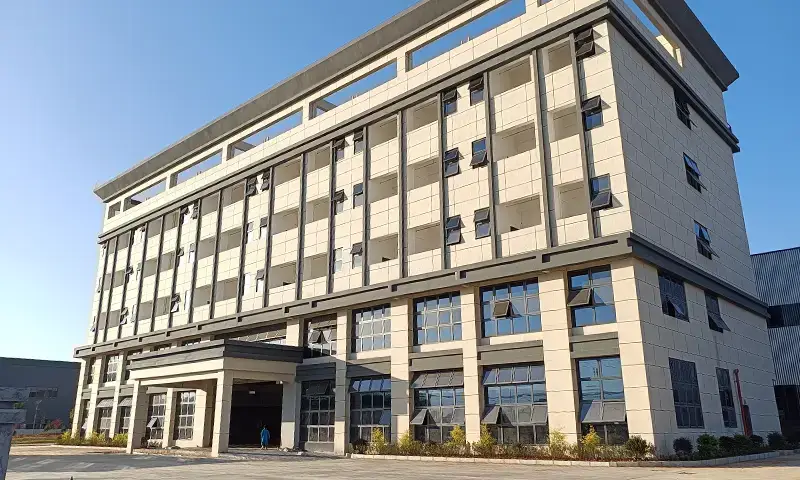
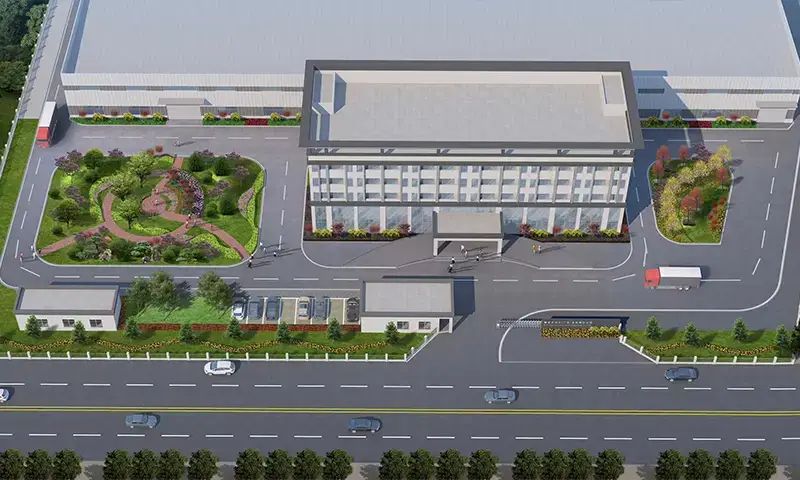
Operating from a modern production facility covering over 8,000 square meters, the company utilizes advanced manufacturing tools, CNC machining centers, and strict metrology controls to guarantee the structural and operational integrity of every machine shipped. Foshan Fusion Digital Print Co., Ltd. employs a dedicated team of more than 120 skilled staff members, including mechanical design engineers, electrical automation specialists, and an experienced R&D team committed to developing future-proof printing systems. Our systems are engineered to handle complex substrates, including glass, ceramics, plastics, and metals, optimizing color laydown and registration for global clients.
Through systematic quality control processes and a dedication to reliable customer service, we deliver production lines that balance long-term durability with simple maintenance protocols. Whether you are managing a startup boutique distillery in Roseau or scaling a multi-line beverage plant in Dominica, our engineering expertise ensures your bottling decoration achieves global retail standards.
An architectural view of mechanical and chemical processes required to print on non-porous glass substrates.
Glass is inherently hydrophilic and holds a high surface energy that can fluctuate based on atmospheric moisture. To ensure proper adhesion of organic screen inks, the glass surface must be pre-treated. Our systems incorporate automatic flame treatment stations that burn away surface oils, dust, and residual coating agents. This process increases the surface tension of the glass substrate to at least 48-54 dynes/cm, optimizing the chemical interface for subsequent ink laydown.
Printing multi-color graphics on irregular glass shapes requires high mechanical precision. Our machinery uses multi-axis servo systems with absolute encoder feedback loops. When printing on cylindrical, oval, or flat surfaces, the rotational motion of the container is synchronized with the linear speed of the silk screen. Integrated optical and registration mark sensors scan the bottom or side of the bottle, compensating for structural glass tolerances and keeping registration deviation below ±0.1 mm.
Modern glass printing utilizes two primary ink formulations: UV-curable inks and thermoplastic (hot melt) inks. UV inks polymerize instantly under concentrated light. We design our lines with high-efficiency 395nm LED-UV curing lamps, reducing power consumption by up to 50% compared to traditional mercury vapor bulbs. Thermoplastic inks, which are solid at room temperature and melt when heated for printing, solidify instantly upon touching the cold glass, allowing rapid multi-color printing without intermediate curing stations.
Custom production line designs tailored to various operating scales, from semi-automated shops to high-speed bottling lines.
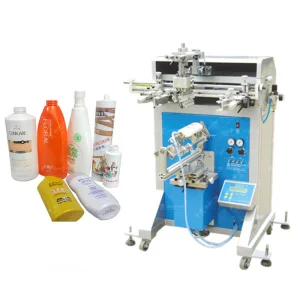
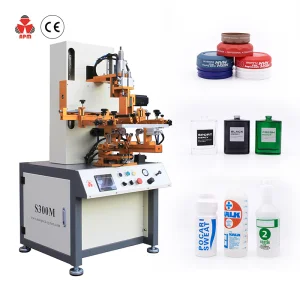
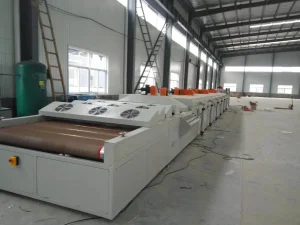
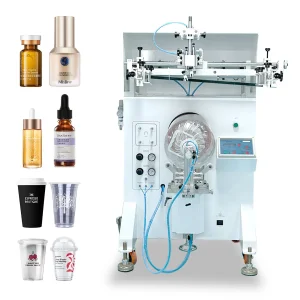
Designed for startup distilleries, cosmetic producers, and private labelers in Roseau and Portsmouth. This layout combines a semi-automatic bottle screen printing system with an independent conveyor curing tunnel, providing flexibility for low-to-medium batch sizes and container geometry changes.
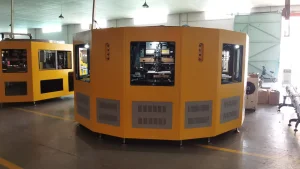
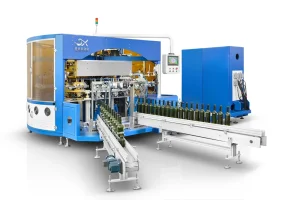
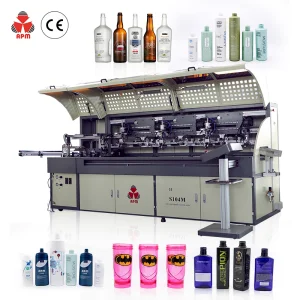
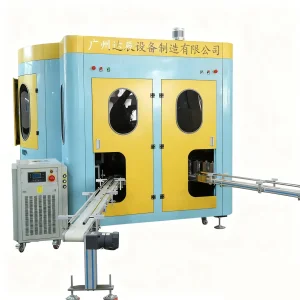
Engineered for high-volume beverage manufacturers. A fully integrated linear screen printing line equipped with automatic load/unload unscramblers, flame pretreatment, multi-color servo print stations, and inline LED-UV drying modules.
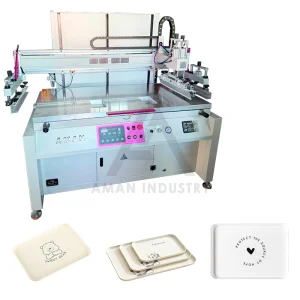
For architectural glass processors and automotive parts manufacturers. This configuration features flatbed semi-automatic printing tables with vacuum bases, ideal for architectural glass, household appliance panels, and high-durability decal backing materials.
Explore our complete catalog of screen printing equipment, serving diverse application requirements across Dominica.
Providing direct answers to critical operational, chemistry, and transport questions for buyers in Dominica.
High ambient humidity can compromise solvent evaporation and lead to moisture condensation on cool glass surfaces, which prevents proper ink adhesion. Our machines address this by utilizing integrated flame pre-treatment burners and high-performance LED-UV curing units. The flame treatment sanitizes the glass surface and flashes off ambient moisture, while the LED-UV system instantly polymerizes the ink layer without depending on solvent evaporation, ensuring high adhesion despite local humidity levels.
For glass bottle decoration, we recommend either thermoplastic hot-melt inks or UV-curable glass inks. Thermoplastic inks are solid at room temperature and melted during application. They freeze instantly on contact with the glass, allowing multi-color printing in a single pass without intermediate curing. UV-curable inks offer high resistance to chemical scratching and condensation, making them suitable for rum bottles stored in ice buckets or refrigerators.
Our CNC-controlled models use high-precision omni-directional registration sensors. These sensors scan the bottle container as it rotates, searching for mechanical registration marks molded into the glass base or seam. Once identified, the servo controllers synchronize the container positioning to align the print pattern across multiple color stations, maintaining registration precision within ±0.1 mm.
We provide comprehensive logistics and support services. Shipping is arranged via major ocean freight lines to the Port of Roseau. We supply complete shipping documentation, customs classification details, and localized electrical engineering compliance configurations (e.g., 220V/480V 3-phase, 50/60Hz). Remote installation assistance, training videos, and live video support are standard. On-site commissioning engineers are also available upon request.
Direct screen printing is highly compatible with circular economy models. Unlike plastic wrap labels or heavy adhesives that complicate the recycling process, direct glass inks break down safely during cullet remelting. This design aligns with Dominica's eco-tourism focus and green policies by facilitating bottle washing and re-use without requiring label removal.
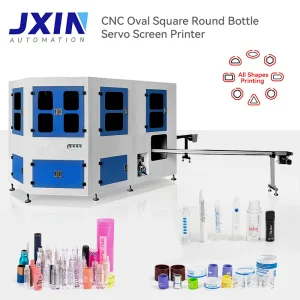
Yes. Our advanced multi-axis servo systems allow independent control of the print screen stroke, squeegee pressure, and bottle rotation. By uploading custom profile coordinates to the PLC, the machine adapts dynamically to non-cylindrical profiles. This enables printing on square, flat, oval, and complex polygonal cosmetic containers in a single machine cycle.
 Fusion Digital Print