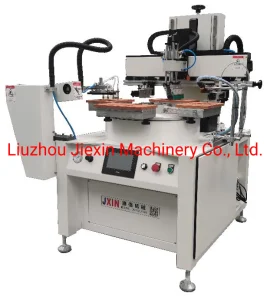
As the capital of the United Kingdom and a global financial powerhouse, London is frequently perceived solely as a service-oriented economy. However, beneath the surface of the City and Canary Wharf lies a robust, high-tech industrial network. The demand for Flatbed Screen Printing Machine Factories in London has seen a significant resurgence, driven by the need for localized, high-precision manufacturing. From the creative studios of East London to the heavy industrial estates in Park Royal and Dagenham, screen printing technology remains the backbone of diverse sectors including fashion, electronics, automotive, and luxury packaging.
London’s "Maker Movement" and the rise of boutique manufacturing hubs have redefined how industrial machinery is utilized. Modern London-based factories are moving away from mass-produced generic goods and toward high-value, customized production. This shift requires sophisticated flatbed screen printing machines capable of handling various substrates—from delicate organic cotton used in Soho’s high-fashion houses to durable industrial plastics for aerospace components engineered in the capital's outskirts.
Utilizing micro-registration systems to ensure 0.01mm accuracy for complex London-based tech components.
Energy-efficient motors and eco-friendly ink compatibility to meet London's strict environmental standards.
Smart sensors and PLC control systems for predictive maintenance and automated quality control.
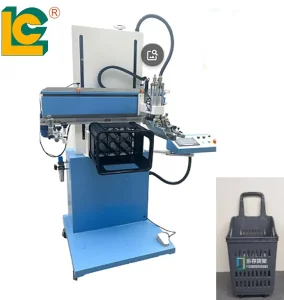
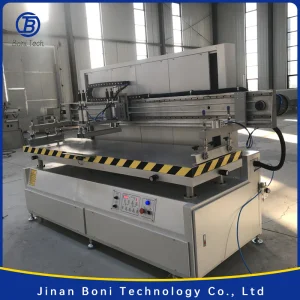
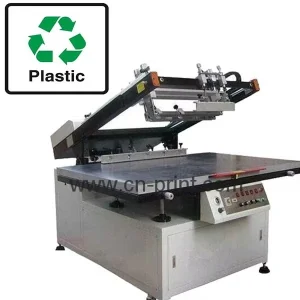
The UK manufacturing sector, particularly within the Greater London area, is characterized by its demand for "Quality over Quantity." Unlike rotary systems that excel in high-speed, continuous rolls, flatbed screen printing machines offer unparalleled versatility. They allow for the decoration of rigid objects, thick sheets, and pre-formed products that digital printers often struggle with. For a factory in London, this versatility means the ability to switch from printing architectural glass panels one day to high-end leather goods the next.
1. Hybrid Production: Many London factories are now integrating screen printing with digital inkjet processes. The flatbed machine provides the base primer or high-density special effects (like glitter or puff ink), while digital handles the variable data.
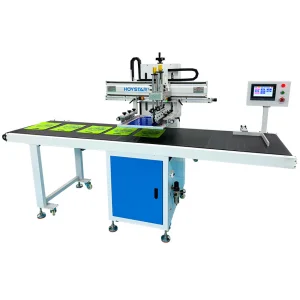
2. Automation & Industry 4.0: With the high cost of labor in London, automation is no longer a luxury—it's a necessity. Factories are investing in machines with automatic loaders, CCD camera alignment, and robotic offloading to maximize throughput with minimal manual intervention.
3. Bespoke Luxury Branding: As London remains a global hub for luxury retail, the demand for premium packaging—featuring gold foils, tactile varnishes, and spot UV—is soaring. Flatbed screen printing is the only technology that can deliver the ink thickness and texture required for these premium finishes.
In the bustling heart of London, screen printing isn't just an industrial process; it's a vital part of the city's infrastructure. Consider the London Underground. The durable, scratch-resistant signage found throughout the Tube stations often originates from heavy-duty industrial flatbed printers. These machines must deposit ink thick enough to withstand millions of passengers and decades of wear.
Furthermore, the Tech City (Silicon Roundabout) area in Old Street has spurred a demand for customized electronic interfaces. Flatbed machines are used here to print conductive inks onto flexible circuits and membrane switches used in medical devices and smart home technology designed right in the city.
In the Sustainable Fashion Hubs of Hackney and Stratford, flatbed screen printing machines are being used with water-based and algae-based inks to create high-end garments for London Fashion Week. The ability to print on finished t-shirts, tote bags, and shoe uppers with precise placement makes these machines indispensable for the city's creative economy.
Foshan Fusion Digital Print Co., Ltd. is a dynamic and innovation-driven enterprise specializing in industrial digital printing, advanced inkjet technology, and surface decoration solutions. Located in Foshan, a well-known manufacturing hub in China, the company benefits from a strong industrial ecosystem and convenient global logistics.
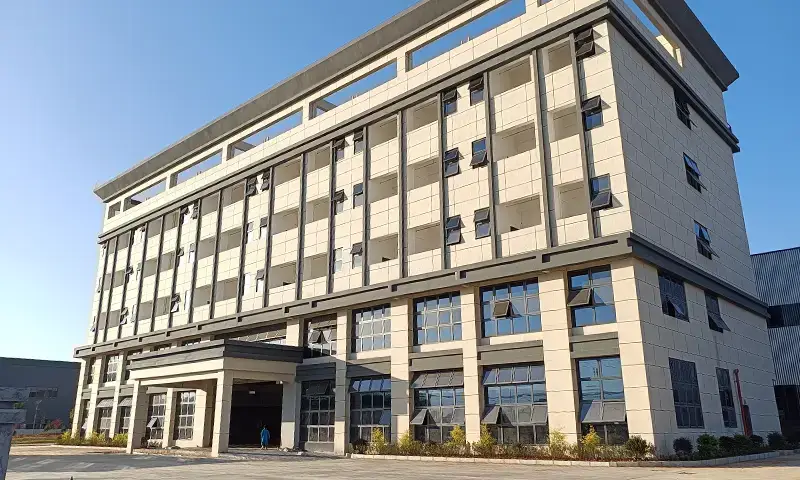
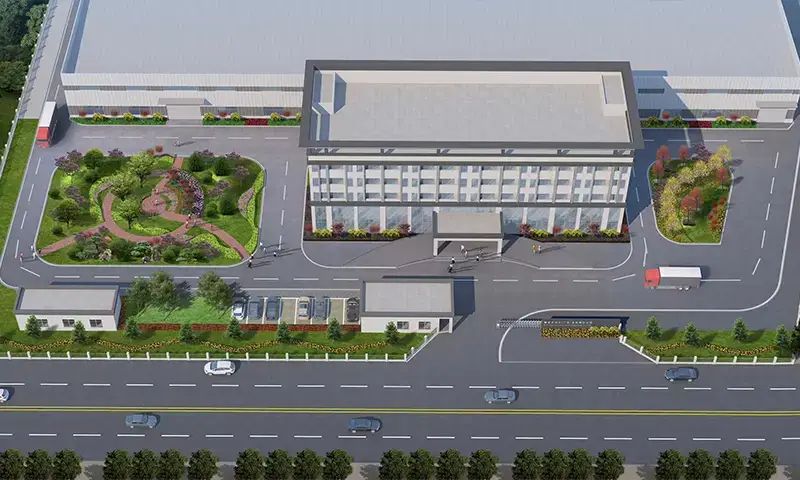
The company operates from a modern production facility covering over 8,000 square meters, equipped with advanced manufacturing and testing equipment to ensure consistent product quality. Foshan Fusion Digital Print Co., Ltd. employs a professional team of more than 120 skilled staff, including experienced engineers, R&D specialists, and technical service personnel dedicated to continuous innovation and customer support.
Focusing on high-performance digital printing systems, the company provides integrated solutions widely used in textiles, ceramics, glass, and industrial materials. Its product portfolio emphasizes precision, efficiency, and adaptability, helping clients optimize production processes and reduce operational costs. With a commitment to technological advancement and strict quality control, Foshan Fusion Digital Print Co., Ltd. has established long-term partnerships with customers across global markets, including key distributors and factory partners in London and the wider UK.
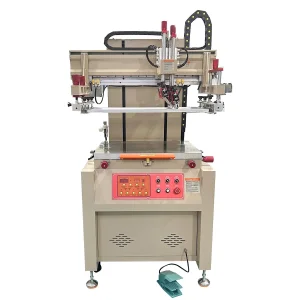
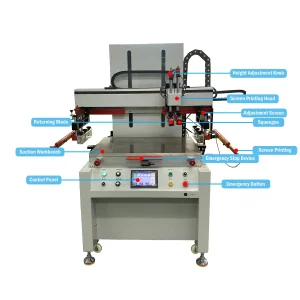
When searching for a Flatbed Screen Printing Machine Factory in London, it is crucial to understand the technical components that separate an entry-level hobbyist tool from a true industrial powerhouse. Modern machines are now equipped with Servo-driven Printing Heads, which allow for absolute control over the squeegee speed and stroke length, ensuring consistent ink deposit across every square inch of the substrate.
Another major advancement is the Vacuum Table System. In London's high-precision electronics sector, even a micron of movement during the print cycle can result in a defective part. High-pressure vacuum beds ensure that lightweight materials like thin plastic films or paper sheets are held perfectly flat. Additionally, many of our machines now feature Anti-Static Devices, essential for London's dry winter months to prevent dust attraction and ink misting.
As we look toward 2025 and beyond, the role of screen printing in London is evolving toward Smart Factories. The integration of IoT (Internet of Things) allows factory managers in London to monitor their machine performance from their smartphones, receiving real-time data on output, ink consumption, and maintenance needs. This level of connectivity is what makes our machines the preferred choice for forward-thinking London businesses.
We are also seeing a massive push toward UV-LED Curing. Traditional drying tunnels are bulky and consume vast amounts of electricity. In London, where space is at a premium and energy costs are high, UV-LED flatbed screen printing allows for instant curing, smaller machine footprints, and significantly lower utility bills.
Explore our full range of industrial machinery optimized for the UK market.
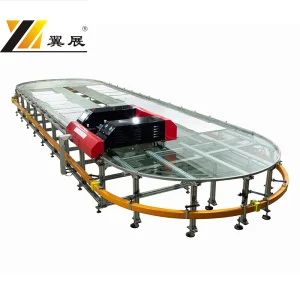
When we discuss a Flatbed Screen Printing Machine Factory in London, we are discussing the intersection of art and heavy engineering. The process starts with a flat bed (the table), where the substrate is placed. Unlike cylindrical printing, the flat surface allows for a level of precision that is essential for multilayered prints. In London's competitive market, being able to offer Multi-Color Overprinting with perfect registration is what allows a factory to charge a premium for its services.
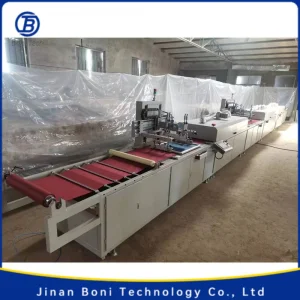
For industrial applications in London, such as Automotive Dashboards or Appliance Control Panels, the ink must be cured at specific temperatures. Modern flatbed machines integrate seamlessly with IR (Infrared) or UV drying tunnels. This end-to-end integration is a hallmark of the sophisticated factory setups found in the UK's industrial parks.
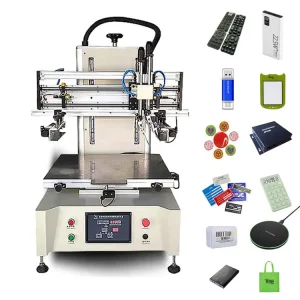
It's not just the large factories that benefit. The availability of Tabletop Flatbed Screen Printing Machines has empowered thousands of small business owners across London. From artisanal wallpaper designers in Chelsea to independent record labels in Peckham printing their own vinyl covers, these machines offer a low-cost entry point into high-quality manufacturing. By bringing production in-house, London's creatives can reduce lead times and maintain absolute control over their brand quality.
Our commitment to the London market includes providing not just the machinery, but the technical expertise required to operate it. We offer comprehensive training programs that cover everything from screen tensioning and emulsion selection to advanced troubleshooting of servo-motor systems. This ensures that every Flatbed Screen Printing Machine Factory in London using our equipment is running at peak efficiency.
Choosing the right equipment involves more than just looking at the price tag. In a high-cost environment like London, Operational Efficiency (OEE) is the metric that matters most. Our machines are designed with "Quick-Change" tooling, allowing operators to switch screens and substrates in under five minutes. In a city where every minute of production time is valuable, this efficiency can be the difference between profit and loss.
Moreover, Compliance and Safety are paramount in the UK. All our machines destined for London factories are CE certified and meet the latest UKCA standards. This includes interlocking safety guards, emergency stop buttons that are easily accessible, and low-noise operation to comply with urban industrial noise regulations.
 Fusion Digital Print