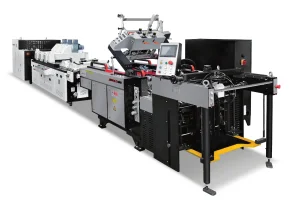
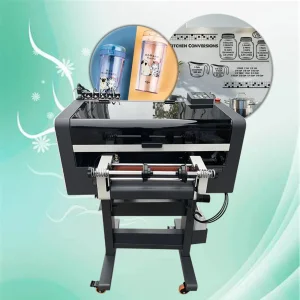
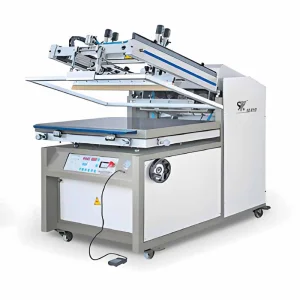
Engineered for high throughput, exceptional registration accuracy, and continuous industrial operation.
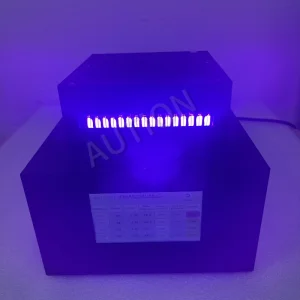
Bridging the gap between high-volume analog systems and high-precision digital integration.
In modern manufacturing, heavy-duty printers are not merely peripheral systems; they represent the structural backbone of supply chains in industries ranging from automotive parts, consumer electronics, cosmetics, and custom textiles to advanced packaging materials. Industrial-grade printing demands absolute structural stability, continuous uptime, mechanical wear resistance, and minimal maintenance intervention.
As search trends migrate from generic machinery inquiries to intent-specific requirements—such as mechanical registration tolerances under 0.02mm, UV LED curing spectral intensities, and hybrid screen-to-digital integrations—the expectations on Chinese factories have drastically evolved. Forward-thinking companies no longer search simply for "printers" but for robust capital equipment capable of sustained performance in demanding environments.
Foshan Fusion Digital Print Co., Ltd. is a dynamic and innovation-driven enterprise specializing in industrial digital printing, advanced inkjet technology, and surface decoration solutions. Located in Foshan, a well-known manufacturing hub in China, the company benefits from a strong industrial ecosystem and convenient global logistics.
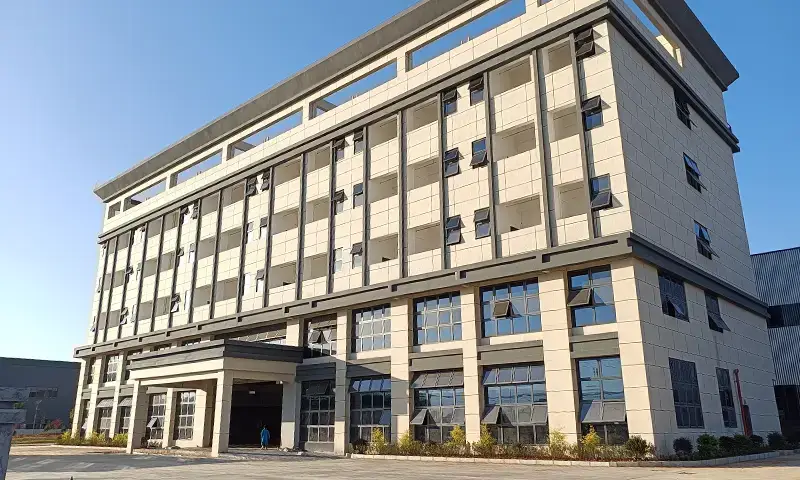
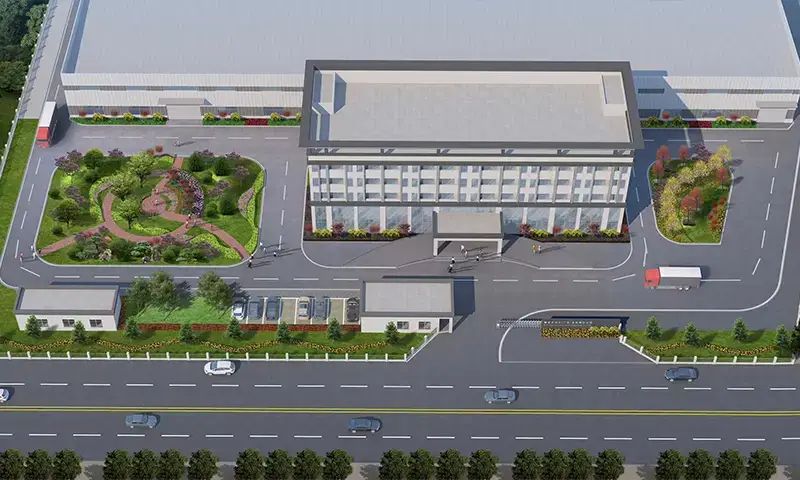
The company operates from a modern production facility covering over 8,000 square meters, equipped with advanced manufacturing and testing equipment to ensure consistent product quality. Foshan Fusion Digital Print Co., Ltd. employs a professional team of more than 120 skilled staff, including experienced engineers, R&D specialists, and technical service personnel dedicated to continuous innovation and customer support.
Focusing on high-performance digital printing systems, the company provides integrated solutions widely used in textiles, ceramics, glass, and industrial materials. Its product portfolio emphasizes precision, efficiency, and adaptability, helping clients optimize production processes and reduce operational costs.
With a commitment to technological advancement and strict quality control, Foshan Fusion Digital Print Co., Ltd. has established long-term partnerships with customers across global markets. The company continues to invest in research and development, aiming to deliver reliable, intelligent, and future-ready printing solutions for modern manufacturing industries.
Why modern industrial buyers choose China's premier cluster-based engineering ecosystem.
By operating inside dynamic manufacturing hubs like Foshan, factories benefit from immediate access to raw aluminum alloys, precision servo systems, CNC machining centers, and local custom electronics designers. This hyper-local supply chain drastically reduces lead times for bespoke system modifications.
Unlike rigid western machinery manufacturers, Chinese industrial printer factories prioritize design flexibility. Whether a client requires custom width UV curing units, multi-wavelength LED emitters, or complex pneumatic stop-cylinder systems, engineers can prototype, simulate, and manufacture dedicated solutions in weeks.
By blending efficient labor structures, state-backed manufacturing zones, and large-volume purchasing contracts, Chinese factories deliver premium grade machinery at 40% to 60% lower capital expenditure than competitors in North America or Central Europe, leaving more budget for operating capital.
From micro-electronics (PCBs) to large-format cosmetic glass containers and textiles.
| Industry Sector | Target Substrates | Primary Technology Implemented | Key Factory Equipment Match |
|---|---|---|---|
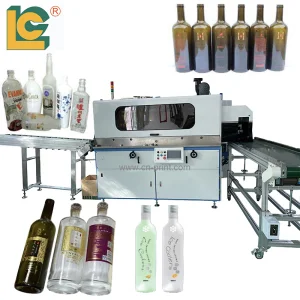
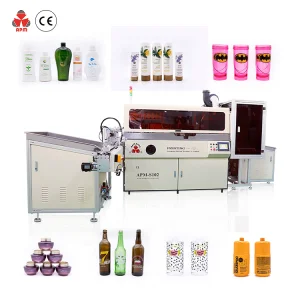
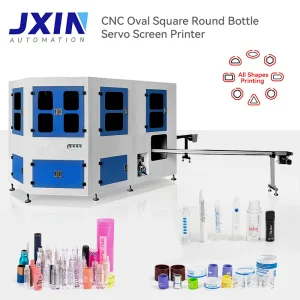
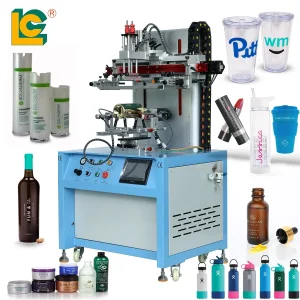
| Cosmetics & Toiletries | Glass, PE, PP, and PET cylindrical/oval bottles & jar caps | Multi-color silk screen + UV/LED inline curing + flame pre-treatment | S102 Automatic Screen Printing Machine |
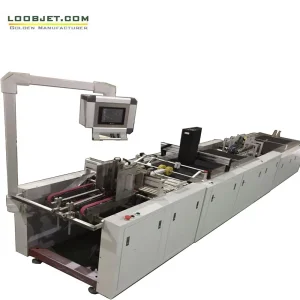
| Packaging & Labeling | Flexible plastics, paperboard, metallic substrates, foils | Precision flatbed stop-cylinder screen printing, automated feeder systems | FB-6090c Flat Bed Silk Screen Printing Machine |
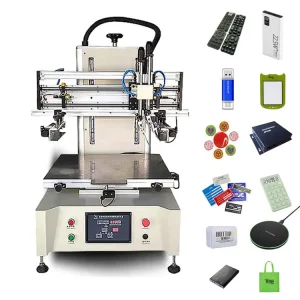
| Electronics & PCBs | Rigid PCBs, flexible circuits, membrane overlays, control panels | High precision servo-driven flatbed screen printers with optical registration | Wholesale Flatbed Screen Printing Machine |
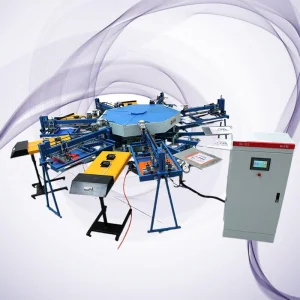
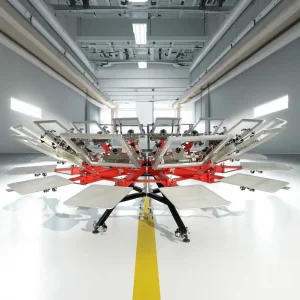
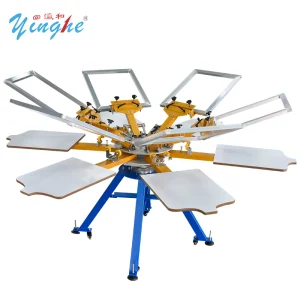
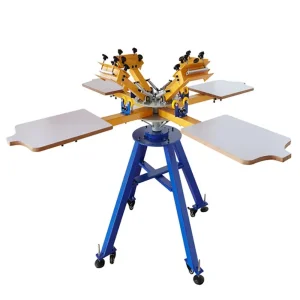
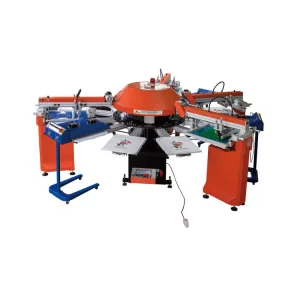
| Apparel & Garments | Polyester, cotton, functional performance fabrics | Multi-station rotary screen carousel printing with fast flash-dryers | Spg Automatic Series Rotary Garment Printer |
| Specialty Digital Items | PVC plastic cards, smart RFID tags, gift boxes | Digital UV inkjet spot varnishing + high-speed vacuum shuttle feeding | Small Plastic Cards Digital Printing System |
When procurement officers, supply chain directors, and factory owners evaluate Chinese manufacturers for high-output machinery, standard specifications must be verified against global safety and engineering frameworks.
Crucial factors include verification of CE Certifications (especially for stop-cylinder and multi-station rotary carousels which require physical interlocks and light curtains), power grid configuration compatibility (e.g., 380V 3-phase 50Hz for Europe/Asia versus 480V 3-phase 60Hz for USA), and pneumatic system component consistency.
Additionally, sourcing directors must pay critical attention to the component architecture. Industry leaders rely on globally recognized brands for key components: PLC controllers from Siemens or Mitsubishi, electrical switches from Schneider, air pneumatics from SMC or Festo, and high-frequency servo motors from Yaskawa. Using standardized global parts ensures that local maintenance teams can source parts locally without waiting weeks for intercontinental shipping.
The convergence of industrial automation, smart curing, and eco-friendly printing chemistry.
Traditional mercury vapor bulbs are rapidly being replaced by solid-state UV LED systems (365nm to 395nm). These systems offer instant on/off cycles, lower power consumption, minimal thermal footprint on plastics, and an operating lifespan exceeding 20,000 hours.
Replacing complex mechanical cams with individual, synchronized electronic servo motors allows quick recipe recalls, dynamic adjustments, and superior micro-registration control. Ideal for multi-color container printing where shapes are complex and variable.
Combining the high speed and low cost of screen printing for solid base layers with the variable data handling of digital inkjet printing systems for serialized codes, batch numbers, or customized graphics in a single continuous production line.
Essential guidance for international buyers purchasing industrial printing machinery from Chinese factories.
A: Premier manufacturers utilize high-precision servo motors and optical fiber sensors to achieve registration tolerances between ±0.02 mm and ±0.05 mm. This is highly suitable for multi-color cosmetic container labeling, PCB circuit layers, and optical dials.
A: During the engineering review phase, the factory configures the main transformers, motors, and PLC systems to match your local power standard (e.g., 220V Single Phase, 380V 3-Phase, or 480V 3-Phase at 50Hz/60Hz). These electrical layouts are drawn, cataloged, and certified to match CE/UL guidelines before leaving the factory.
A: PP, PE, and HDPE plastic containers have low surface energy, which makes standard ink adhesion difficult. Inline flame treatment systems temporarily oxidize the plastic surface, raising its surface tension (measured in dynes) so that UV inks adhere permanently and pass tape-friction tests.
A: UV LED curing chips (usually manufactured by Nichia or Phoseon) provide approximately 20,000 to 30,000 operational hours. This compares to traditional mercury vapor bulbs which degrade and require replacement after just 800 to 1,000 operational hours.
A: Yes, most heavy-duty systems feature standard industrial communication protocols (such as Modbus, Profibus, or Ethernet/IP) that interface directly with SCADA systems, collaborative robotic arms, or custom conveyor loops.
Explore our highly-durable machines designed for garment production, flatbed substrates, and bottle container lines.
 Fusion Digital Print