Top 10 Certifications Required for Industrial Printing Equipment?

Time:2026-07-03 Author:Sophia
0%

In today's manufacturing landscape, understanding what certifications are needed for industrial printing equipment is essential. These certifications ensure that professionals possess the necessary skills and knowledge to operate complex machinery efficiently and safely. With the rising demand for quality and precision in printing, the importance of certification cannot be overstated.

Several industry standards exist, each designed to validate proficiency in different areas of industrial printing. Companies often seek certified individuals to enhance their credibility and project success. However, the plethora of certifications may create confusion. It is crucial for professionals to discern which credentials will set them apart in the job market.

Moreover, not all certifications align with every printing technology. Thus, individuals must assess their career goals and the specific requirements of their desired roles. Some certifications may seem more beneficial than others but may ultimately not reflect the industry's evolving needs. Staying informed about certifications ensures that professionals remain relevant and competitive.
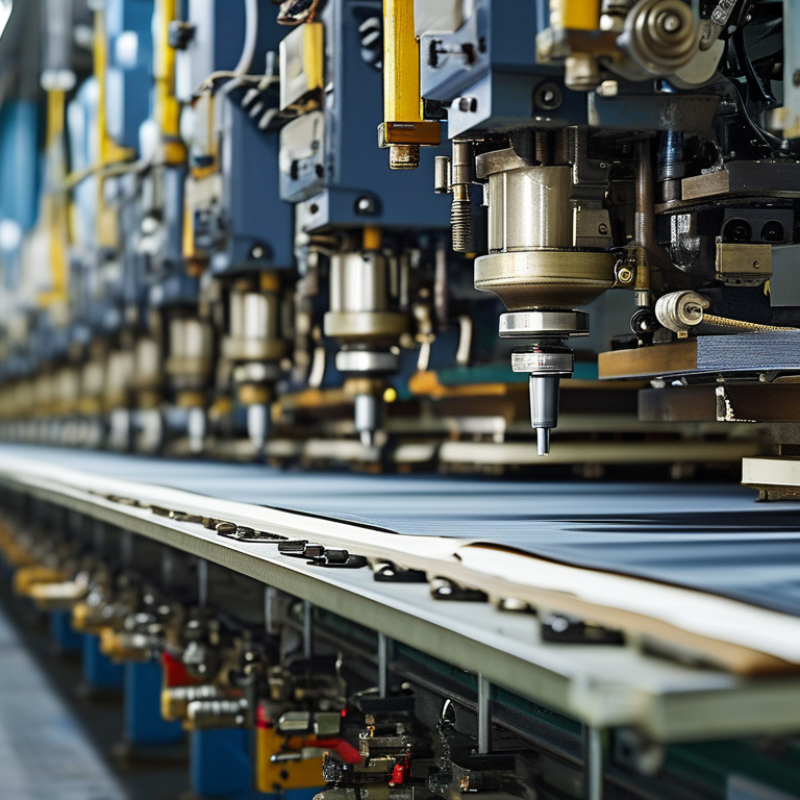
Top 10 Certifications Required for Industrial Printing Equipment?

Top Certifications in Industrial Printing: Overview and Importance

In the realm of industrial printing, certifications play a crucial role. They ensure professionals are equipped with the right skills and knowledge. These certifications often reflect a commitment to quality and industry standards. Companies look for certified individuals to maintain a competitive edge. It’s not just about paperwork; it's about validating expertise.

The importance of these certifications cannot be overstated. They enhance credibility and provide workers with a deeper understanding of complex machinery. Specific training can lead to better efficiency and reduced errors in production. However, it’s essential to choose the right certification that aligns with one’s career goals. Some may find the process daunting or overly technical. Still, the effort can lead to significant professional growth.

Investing in certifications also signals dedication to the field. Employers often value candidates who continuously seek improvement. As technology evolves, staying updated becomes crucial. Industrial printing is an ever-changing landscape, and adapting through education is necessary. Prospective professionals should take time to reflect on their interests and future goals when selecting certifications. This thoughtful approach can make all the difference in a successful career.

Top 10 Certifications Required for Industrial Printing Equipment

The following chart represents the top certifications commonly required for industrial printing equipment, showcasing the importance of each certification in the industry.

Understanding the Role of Lean Six Sigma in Industrial Printing Certification

Lean Six Sigma is a powerful methodology often applied in industrial printing. It combines principles of lean manufacturing and Six Sigma to enhance processes. By minimizing waste and reducing variation, organizations can achieve greater efficiency.

In industrial printing, this certification ensures professionals understand quality control. The focus on process improvement helps teams in managing time and resources effectively. However, adopting Lean Six Sigma isn’t always straightforward. Teams may face resistance to change, especially in established environments.

Training in Lean Six Sigma encourages a culture of continuous improvement. Employees learn to identify issues that impact quality. Yet, not all implementations succeed. Some teams may struggle with the statistical elements. Effective communication and support are crucial to overcoming these challenges.

ISO 9001 Certification: Ensuring Quality Management in Printing Processes

ISO 9001 certification plays a crucial role in enhancing the quality management processes in the industrial printing sector. This standard ensures that companies consistently meet customer requirements and enhance satisfaction. It focuses on systematic control of processes, emphasizing continual improvement and customer-focused results. Such frameworks benefit not just the organization, but also its clients.

Achieving ISO 9001 entails rigorous documentation, consistent processes, and regular audits. Mistakes can happen, which can lead to non-conformance reports. This acts as a reminder for teams to reassess their practices. A culture of openness about these errors encourages teams to learn and innovate, fostering a stronger quality management system.

Tips for maintaining ISO 9001 standards include regularly training employees on quality practices. This fosters an environment where team members actively engage in quality improvement. Documenting processes helps identify areas needing attention or improvement. Regularly reviewing feedback from clients can provide insights into potential areas of discrepancy, guiding teams toward enhancement. Fostering this mindset can help organizations not only meet ISO standards but exceed customer expectations.

The Impact of G7 Certification on Color Management in Printing Industries

Color management in industrial printing is crucial. Among various certifications, G7 stands out for its effectiveness. This certification offers a standardized approach to achieve accurate color reproduction. It allows various printers to match colors consistently across multiple devices. Implementing G7 helps reduce misunderstandings about color expectations.

Achieving G7 certification requires significant effort. Equipment calibration is vital, yet many facilities overlook it. This oversight can lead to color discrepancies. The certification demands regular maintenance, which some companies neglect due to costs. However, this can compromise the final product's quality. Thus, businesses must weigh the long-term benefits against initial investments.

Many professionals highlight the importance of G7. It not only enhances color accuracy but also boosts client confidence. But achieving and maintaining this standard is not always straightforward. Continuous education and training are necessary. Some staff may resist these changes. Addressing this resistance is essential for any printing operation's success.

Top 10 Certifications Required for Industrial Printing Equipment

Certification Name Description Importance in Industrial Printing
G7 Certification A process control method that focuses on achieving a standardized gray balance across all printers. Crucial for ensuring consistency in color reproduction across different printing devices.
ISO 12647 An international standard for graphic technology that provides guidelines for print quality. Ensures adherence to quality benchmarks in the printing process.
FSC Certification Certification that ensures materials used come from responsibly managed forests. Promotes sustainable practices in the printing industry.
SFI Certification Sustainable Forestry Initiative, which focuses on sustainable forestry management. Supports environmental conservation and responsible resource use.
SGS Certification Verification and testing services for various industry standards. Ensures product conformity to specified standards, enhancing market competitiveness.
ICC Profile Certification Certification that verifies the accuracy of color profiles used in color management systems. Ensures accurate color reproduction across devices.
GMP Certification Good Manufacturing Practice, guidelines to ensure components are consistently produced and controlled. Essential for maintaining quality and safety in printing processes.
CE Marking Certification indicating that products meet EU safety, health, and environmental protection standards. Vital for accessing European markets.
RoHS Certification Restriction of Hazardous Substances certification limiting certain hazardous materials in electrical and electronic equipment. Promotes safer products and environmental sustainability.
UL Certification Certification ensuring products are tested for safety conditions. Boosts consumer confidence in product safety standards.

Exploring the Value of Print Media Certification in Today's Market Dynamics

In today's fast-evolving market, print media certification holds significant value. Print professionals are navigating complexities with rapid technological advancements. Understanding the nuances of industrial printing equipment is crucial. Certifications equip individuals with necessary skills and knowledge. Employers seek certified candidates. It reflects commitment and fosters confidence.

The demand for certified professionals is rising. Customers expect high-quality and efficient services. Certifications validate expertise in the field. They encompass various aspects, from machinery handling to quality control. This ensures that the workforce can adapt to changing customer needs. However, many professionals overlook the importance of keeping certifications up to date. The industry regularly shifts, making continuous learning vital.

Certification programs often require dedicated time and financial investment. Some professionals hesitate to pursue these options. The challenges of balancing work and studies can be daunting. However, the long-term benefits outweigh these temporary discomforts. Gaining certification can enhance career prospects and job stability. It also helps professionals stay informed about the latest trends and technologies. Engaging with certification programs must be a proactive choice in overcoming industry challenges.

FAQS

: What is Lean Six Sigma?

: Lean Six Sigma combines lean manufacturing with Six Sigma to enhance efficiency in processes.

Why is Lean Six Sigma important in industrial printing?

It helps minimize waste and reduce variation for better quality control and resource management.

What challenges do teams face when adopting Lean Six Sigma?

Teams often encounter resistance to change and struggles with statistical methods during implementation.

What impact does G7 certification have on color management?

G7 certification offers a standardized approach for accurate color reproduction across different devices.

What are the pitfalls of achieving G7 certification?

Equipment calibration and maintenance are often neglected, leading to potential color discrepancies.

Is print media certification worth pursuing?

Yes, it equips professionals with essential skills and validates their expertise, reflecting commitment.

How does the demand for certified professionals affect the industry?

There is a rising expectation for quality and efficiency, emphasizing the need for certified skills in professionals.

What challenges do professionals face in keeping certifications updated?

Balancing work with the requirements of certification programs can be daunting, leading to neglect.

How does continuous learning benefit printing professionals?

It enhances career prospects and job stability by keeping professionals informed about industry trends.

Is engaging with certification programs necessary?

Yes, proactive engagement is essential to overcoming challenges and adapting to evolving market dynamics.

Conclusion

The article "Top 10 Certifications Required for Industrial Printing Equipment" provides an insightful overview of the essential certifications necessary for professionals in the industrial printing sector. It emphasizes the importance of quality management through ISO 9001 certification, which ensures consistent quality in printing processes. Moreover, it highlights the significant role of Lean Six Sigma in optimizing production efficiency and quality control within the industry.

The impact of G7 certification is also discussed, showcasing its importance in achieving precise color management across printing production. Additionally, the piece explores the growing value of print media certification in adapting to modern market dynamics. In summary, understanding what certifications are needed for industrial printing equipment is crucial for professionals aiming to enhance their credibility and skill set within this competitive field.

Sophia

Sophia

Sophia is a dedicated marketing professional with an exceptional depth of knowledge about her company's products and services. With a keen understanding of market trends and customer needs, she crafts insightful blog posts that not only inform but also engage readers, enriching the company’s online......