Top 10 Materials for Industrial Printing You Need to Know?

Time:2026-05-05 Author:Charlotte
0%

Industrial printing has transformed various sectors, requiring a clear understanding of materials involved. According to Dr. Emily Chen, an expert in industrial printing technology, “The choice of material can significantly influence print durability and quality.” This highlights the critical question: what materials can be used in industrial printing?

Many professionals are unaware of the diverse range of materials available. From traditional substrates like paper to advanced options such as synthetic materials, each brings unique properties to the table. Notably, materials such as metal and plastic are increasingly gaining traction due to their robustness and versatility. Selecting the right material often involves balancing cost and performance.

However, this selection process can be daunting. The common mistake is to overlook essential characteristics, such as ink adhesion or environmental impact. Remembering the nuances of each material is vital for achieving optimal results. The industry must continually explore innovative materials to address evolving demands and sustainability challenges. Understanding what materials can be used in industrial printing can ultimately lead to smarter, more efficient printing solutions.
Top 10 Materials for Industrial Printing You Need to Know?

Overview of Industrial Printing Materials

Industrial printing has transformed many sectors by introducing diverse materials for various applications. Materials play a crucial role in achieving quality prints. Understanding these materials is essential for making informed decisions.

One common material is synthetic paper, known for its durability and water resistance. It's perfect for outdoor signage and labels. Another popular choice is specialty films, which can provide vibrant colors and remarkable clarity. These films work well for packaging and promotional graphics. Additionally, textiles have gained traction. They offer a unique texture and flexibility, making them ideal for banners and fashion applications.

However, not all materials are created equal. Some may not adhere well to certain surfaces or fade under UV light. It’s vital to test materials under specific conditions to ensure optimal results. Choosing the right material can also impact production costs. Sometimes, a more expensive option saves money in the long run due to its durability. Each material presents its distinct challenges. Thoughtful consideration will lead to better printing outcomes.

Key Properties of Effective Printing Materials

When considering industrial printing, choosing the right materials is crucial. The effectiveness of these materials stems from their distinct properties. For instance, durability is key. Materials must withstand various environmental conditions, including moisture and temperature variations. Some materials also require flexibility to adapt to different surfaces. This adaptability ensures consistent results across diverse applications.

Another essential property is color accuracy. High-quality materials allow for vibrant colors and precise details. This accuracy enhances the overall visual impact of printed products. Additionally, ease of use is important. Materials that integrate well with printing machines reduce downtime and errors during production. However, not all materials offer these advantages.

Reflecting on the balance between cost and quality is vital. Cheaper alternatives might compromise durability or color fidelity. Businesses must evaluate their specific needs against the performance of materials. A thorough understanding of these properties helps in making informed decisions. This awareness fosters better outcomes in industrial printing projects.

Top 10 Materials Frequently Used in Industrial Printing

Industrial printing has revolutionized many sectors, relying on a diverse range of materials. Understanding these materials is essential for businesses. Let's explore some frequently used materials in this field.

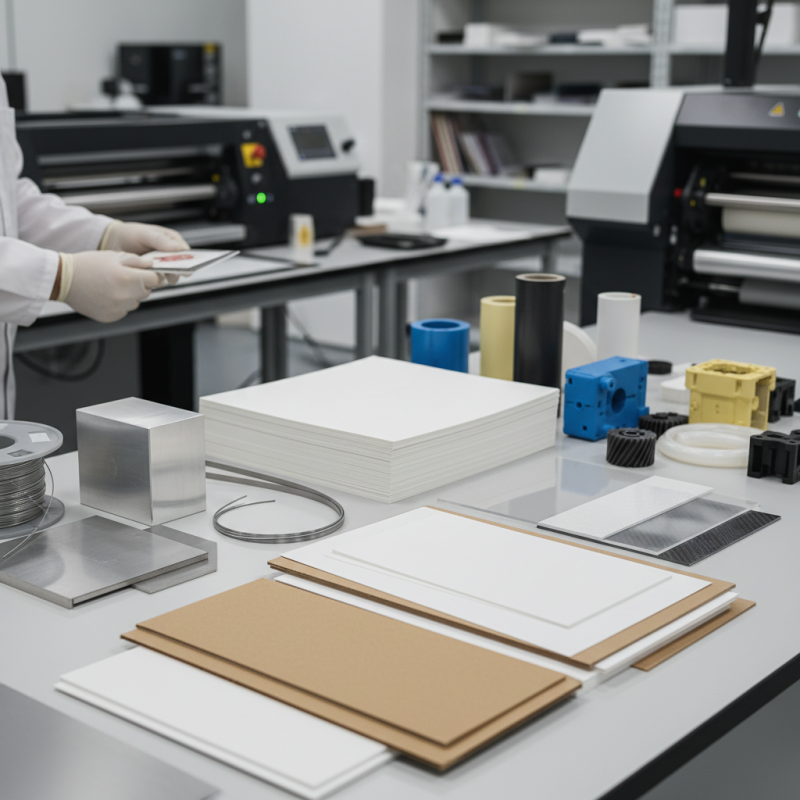
Plastics are widely utilized for their versatility. They can be molded into various shapes, providing custom solutions. Fabrics are another key material, especially in textile printing. Techniques allow vibrant designs to be printed on various types of garments. Metal printing, though less common, plays a crucial role in creating durable signs and equipment labels.

Wood is an interesting option as well. It offers a unique aesthetic for custom prints. Not all wood is ideal for printing; some may splinter and affect quality. Paper remains a staple, used in packaging and promotional materials. Its lightweight nature makes it cost-effective but can limit durability. Each material has advantages and challenges, suggesting the need for careful selection in industrial printing. Understanding these elements will enhance your printing projects.

Applications and Uses of Each Printing Material

Industrial printing encompasses various materials, each tailored for specific applications. Let's explore some common materials and their uses.

Plastics are widely utilized due to their versatility and durability. They can be used in packaging, signage, and product labeling. However, choosing the right type of plastic is crucial for optimal results.

Metal materials, like aluminum and steel, suit industrial printing well. They are often used for creating durable signs and promotional displays. However, the printing process may require advanced techniques to achieve high-quality results.

Tips: Always test your material before full production. Minor variations can lead to significant differences in the final product.

Paper is another vital material but should be selected according to purpose. For example, coated paper works well for high-resolution graphics. However, it may not be eco-friendly.

Cardboard is lightweight and used in packaging and displays. It is cost-effective but may not withstand moisture or heavy items.

Tips: Consider environmental factors before choosing materials. Sustainability can enhance brand reputation.

Each material has strengths and weaknesses. Knowing these intricacies can refine your industrial printing projects effectively.

Top 10 Materials for Industrial Printing

Future Trends in Industrial Printing Materials

The future of industrial printing materials is evolving rapidly. Sustainability is at the forefront of this change. Many manufacturers are exploring biodegradable materials. These options can reduce environmental impact significantly. There is also a growing trend towards recycled composites. These materials are not just eco-friendly; they can also enhance durability.

Additive manufacturing is pushing boundaries. New materials, such as metal powders and advanced polymers, offer improved performance. These materials can withstand extreme temperatures and pressures. They are becoming essential in aerospace and automotive applications. However, the challenge remains in balancing performance and cost. Innovators must keep experimenting. Only through trial and error can they find the right solutions.

As industries adapt, the demand for specialized materials increases. Customization is crucial. Businesses are seeking specific characteristics tailored to their needs. This prompts ongoing research and development. Despite these advancements, consistency in quality is often an issue. Manufacturers must ensure reliable results across batches. Continuous monitoring is essential to maintain standards.

FAQS

: What are synthetic papers used for in industrial printing?

: They are durable and water-resistant, ideal for outdoor signage and labels.

Why are specialty films popular in printing?

They provide vibrant colors and clarity, great for packaging and promotional graphics.

What should I consider when choosing plastics for printing?

The type of plastic is crucial for achieving optimal results in packaging and labeling.

How are metal materials used in industrial printing?

Metals like aluminum are used for durable signs, requiring advanced techniques for quality printing.

Why is it important to test materials before production?

Minor variations can lead to significant differences in the final product quality.

What are the limitations of coated paper?

While good for graphics, coated paper may not be eco-friendly and could impact sustainability.

Is cardboard suitable for all types of printing?

No, while it's cost-effective, cardboard may not withstand moisture or heavy items.

How does material choice impact production costs?

Sometimes investing in a more expensive material can save money due to its durability.

What role does sustainability play in material selection?

Choosing eco-friendly materials can enhance a brand’s reputation and market appeal.

What challenges exist with industrial printing materials?

Each material has strengths and weaknesses, requiring thoughtful consideration for better outcomes.

Conclusion

Industrial printing is an essential part of various manufacturing processes, and understanding what materials can be used in industrial printing is vital for optimizing production efficiency. This article outlines the key properties of effective printing materials, such as durability, adhesion, and versatility, which significantly impact the final output quality.

The discussion includes the top 10 materials frequently utilized in industrial printing, ranging from plastics and metals to papers and textiles. Each material is explored concerning its specific applications and uses, highlighting how they cater to different industrial needs, from packaging to signage. Additionally, the article delves into future trends in industrial printing materials, indicating a move towards more sustainable and innovative options that could shape the industry landscape.

Charlotte

Charlotte

Charlotte is a seasoned marketing professional with a deep understanding of the company's portfolio and a passion for elevating its presence in the market. With a keen eye for detail and a commitment to excellence, she ensures that our professional blog is regularly updated with insightful articles......