Screen printing is a vital process in industrial production. It allows companies to create vibrant designs on various materials. This method is more than just a technique; it involves precise execution and creativity. Understanding "how does screen printing work in industrial production" is crucial for those in manufacturing.
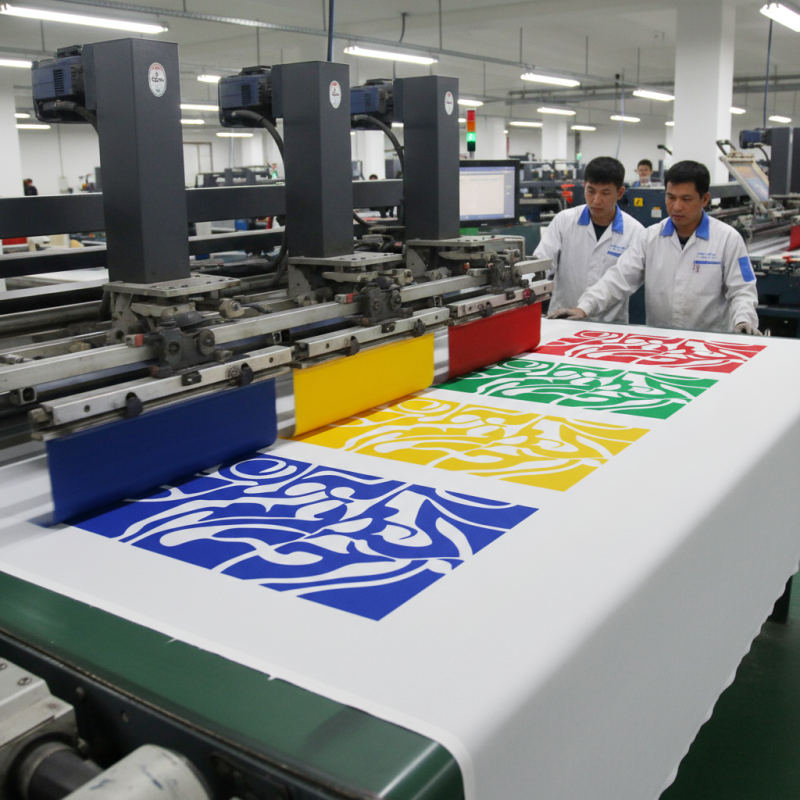
During screen printing, ink transfers through a stencil onto a surface. Each color requires a different screen, adding complexity. Manufacturers must ensure accurate color registration for quality results. Oversights can lead to misaligned prints, wasting time and resources. This aspect highlights the importance of attention to detail in production.
Moreover, screen printing isn’t just about technique; it tests creativity. Industries rely on it for branding and product differentiation. A well-executed print job can elevate items, making them appealing to consumers. However, it is essential to recognize that challenges exist. Balancing efficiency with artistry is often a struggle. Navigating these challenges is key to successful industrial production.
Overview of Screen Printing in Industrial Production
Screen printing is a versatile method widely used in industrial production. The process involves creating a stencil, or screen, to apply ink onto various substrates. This technique allows for vibrant colors and precise designs. Reports indicate that the global screen printing market was valued at approximately $5.7 billion in 2021 and is expected to grow steadily. This growth reflects the increasing demand for customized products across various industries.
In industrial settings, screen printing is often employed for textiles, electronics, and promotional materials. For instance, about 70% of the printed textiles utilize screen printing. This method can produce high-quality designs at a relatively low cost per item, which appeals to manufacturers. However, achieving consistency can be a challenge. In some cases, variations in ink viscosity or pressure can lead to imperfect prints. Maintaining quality control throughout the process remains crucial.
Despite its advantages, screen printing has limitations. The setup time for screens can be lengthy. Additionally, only certain colors can be printed simultaneously, which may frustrate designers. Innovations are continuously evolving, but some inefficiencies persist. Reflecting on these aspects may guide industries in refining their production processes, ultimately enhancing output quality.
Key Components of Screen Printing Process
Screen printing is a vital industrial process used for applying designs to various surfaces. Understanding its key components can enhance production efficiency. The main elements in screen printing include the screen, ink, substrate, and squeegee. Each component plays a crucial role in achieving high-quality results.
The screen, typically made of polyester mesh, holds the stencil. The mesh count impacts the detail of the printed image. A higher count allows finer details but may require higher viscosity ink. The ink must also be selected carefully. Water-based inks are eco-friendly but may not suit all applications. Plastisol inks provide durability but require specific handling. Choosing the right substrate is equally important; it determines the adhesion and finish of the print.
Tips for optimizing your screen printing process include ensuring screens are correctly tensioned. A loose screen can lead to blurred images. Regularly check ink consistency. If it's too thick, it could cause clogging during printing. Lastly, maintain a clean workspace. Dust and debris can ruin your prints.
Despite its advantages, screen printing does present challenges. Short runs can be costly due to setup times. Variability in ink batches can affect color consistency. Industry reports suggest that inconsistencies in application can lead to a 15% waste rate. A thoughtful approach is essential for minimizing these issues and improving quality.
Step-by-Step Guide to the Screen Printing Technique
Screen printing is a pivotal technique in industrial production, commonly used for printing on textiles, glass, and metal. This method involves using a mesh stencil to transfer ink onto a surface. The process starts by preparing the screens. Each screen corresponds to a color in the design. A report from Smithers Pira states that the screen printing industry is expected to grow by 3.6% annually, indicating its strong demand in various sectors.
Once the screens are ready, the ink is applied. The ink passes through the open areas of the mesh when a squeegee is pressed across the screen. Precision is key here. Any errors in alignment can ruin a batch. Quality control checks often reveal that up to 15% of prints may have defects. However, learning from these mistakes can lead to better practices. After printing, the products typically go through a curing process to ensure durability.
Screen printing is versatile, enabling customization and high-volume production. Yet, it requires careful oversight. High waste rates can occur if not monitored. Industry surveys show that improving setup times and reducing ink waste are vital for efficiency. As businesses strive for sustainability, these metrics will shape the future of screen printing.
Screen Printing Production Volumes by Material Type
This chart illustrates the production volumes of various materials used in screen printing within an industrial context. Cotton remains the most produced material, followed by polyester and nylon, with electronics and glass predicting lower volumes.
Applications of Screen Printing in Various Industries
Screen printing is a versatile technique used in various industries. It transfers ink through a mesh screen onto different surfaces. This method is popular in textiles, electronics, and packaging.
In textiles, vivid designs come to life on T-shirts and fabrics. Colors can be bold, and the results can be striking. Yet, achieving perfect alignment can be tricky. It often takes trial and error.
In the electronics industry, screen printing applies conductive inks on circuit boards. This process is essential for creating reliable electronics. Though efficient, it requires precision. A slight misalignment can lead to product failures. The packaging sector also uses screen printing for branding. Bright, eye-catching labels attract consumer attention. However, consistency can be an issue when printing in large quantities.
Despite its popularity, screen printing has its drawbacks. The setup process can be time-consuming. Also, choosing the right mesh and ink can be overwhelming. Not every print will be flawless. It's a delicate balance of creativity and technical skill. Experimentation plays a vital role in the learning process. Ultimately, understanding these challenges can lead to better results in screen printing applications across industries.
Advantages and Limitations of Screen Printing in Manufacturing
Screen printing is widely used in manufacturing due to its unique advantages. One major benefit is the vibrant color output. The ink used is thick and opaque. It stands out on various materials. This makes screen printing ideal for textile applications. Clothing and accessories often feature bold designs, thanks to this method.
However, screen printing has limitations that must be considered. The setup time can be lengthy. Creating screens for each design takes effort and resources. This makes it less efficient for small runs. Additionally, color limitations can arise. Each printed color requires a separate screen. Mixing colors can become complex and time-consuming. Manufacturers need to weigh these factors carefully.
Quality control can also be an issue. Inconsistent ink application leads to flaws. Each print may not meet the desired standard. Variability between prints might frustrate clients. Reflecting on these challenges is vital for improving processes. Screen printing remains a valuable tool but requires thoughtful consideration.
FAQS
: Screen printing is a method that uses a stencil to apply ink onto different surfaces.
It produces vibrant colors and precise designs, making it ideal for various products.
It's widely used in textiles, electronics, and packaging for effective branding.
Consistency can be difficult. Ink viscosity and pressure variations may cause imperfect prints.
Conductive inks are applied to circuit boards, ensuring functionality and reliability.
The setup time can be lengthy, making it less efficient at times.
No, only certain colors can be printed together, which can frustrate designers.
It is crucial; maintaining quality ensures reliable and accurate prints.
Yes, trial and error can lead to better understanding and improved results.
Choosing the right mesh and ink can be overwhelming but necessary for quality prints.
Conclusion
Screen printing is a versatile and widely used technique in industrial production, allowing for the efficient application of designs to various substrates. To understand how does screen printing work in industrial production, it is essential to explore its key components, which include screens, inks, and squeegees. The process involves preparing a screen with a stencil of the desired image, applying ink through the screen onto the substrate, and curing the ink for durability.
The applications of screen printing are vast, spanning industries such as textiles, electronics, and packaging, where it is favored for its ability to produce high-quality, vibrant prints at scale. However, while screen printing offers notable advantages like cost-effectiveness for large runs and versatility, it also has limitations, including the setup time and challenges in achieving intricate designs. This combination of features makes screen printing a vital process in modern manufacturing.

 Fusion Digital Print