In today's fast-paced printing industry, understanding how to extend the lifespan of printing machines is crucial. These machines represent significant investments for businesses. Frequent repairs and replacements can strain budgets. Therefore, proper maintenance can offer substantial financial benefits.
Ensuring longevity requires specific knowledge and practices. From routine cleaning to occasional adjustments, small efforts can lead to improved efficiency. Many operators overlook simple maintenance tasks. Such oversights often lead to bigger issues later on.
A well-maintained printing machine operates at optimal speed and quality. This results in fewer errors and waste. Furthermore, a focus on prolonging equipment life enhances sustainability. By extending the operational years of these machines, companies can reduce their environmental impact. Investing time in understanding how to extend the lifespan of printing machines is not just smart; it’s essential in today’s eco-conscious marketplace.
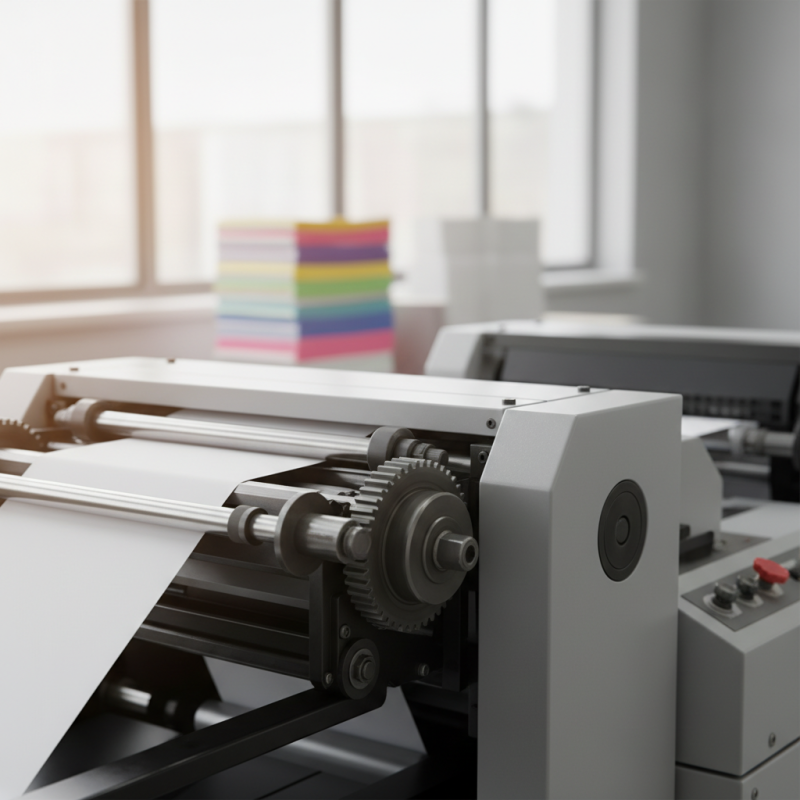
Understanding the lifespan of printing machines is crucial for businesses that rely on them. Frequent repairs and replacements can lead to unexpected costs and downtime. A well-maintained machine can operate smoothly for years. Regular check-ups and adherence to maintenance schedules can substantially extend its life.
Using quality supplies and following proper operating procedures matter greatly. Overworking a machine or ignoring warning signals can hasten its demise. Knowledge about common issues helps address them before they escalate. It’s also important to train staff in basic troubleshooting.
Investing time in learning about machine care pays off. Many users overlook preventive maintenance, leading to premature breakdowns. Reflecting on past mistakes can guide better practices. Knowledge enhances efficiency and minimizes disruptions to operations. Everyone has areas for improvement, and our machines deserve the same attention.
Understanding the factors that affect the lifespan of printing machines can help businesses save money and time.
Regular maintenance is crucial. Dust and debris can quickly impact machinery performance.
If not cleaned, print quality will decline. Keeping the environment controlled is also important. Excessive heat or humidity can lead to malfunction.
Operating practices play a significant role in machine longevity. Overloading machines can cause premature wear.
Operators should be trained to handle equipment properly. Even small mistakes can lead to larger issues.
Additionally, the choice of printing materials affects durability. High-quality inks and papers contribute to fewer breakdowns.
Regular assessments of machine performance are necessary. Ignoring minor issues can lead to costly repairs.
Documentation of maintenance history helps identify patterns. Knowing when to replace parts can prevent downtime.
An engaged approach to monitoring can improve productivity and extend machine life.
Maintaining printing machines is crucial for longevity. Regular cleaning is a foundational practice. Dust and debris can cause significant damage over time. Pay attention to areas where ink accumulates. A simple wipe can prevent costly repairs. Many operators overlook this step, leading to unexpected issues.
Another key practice is to monitor parts for wear. Components like rollers and belts wear out over time. Regular inspections can help identify problems before they escalate. Some professionals suggest keeping a maintenance log. This log helps track usage and can predict when parts might need replacement.
Finally, ensure that the machines are used correctly. Overloading a printer can lead to jams and excessive wear. Training staff on the proper use will minimize mishaps. Many users assume they understand the equipment, but small mistakes can lead to big problems. Creating a culture of care and awareness is essential in any printing operation.
| Maintenance Practice | Frequency | Expected Benefits | Impact on Lifespan |
|---|---|---|---|
| Regular Cleaning | Monthly | Improves print quality | Increases by 15% |
| Replacing Worn Parts | Quarterly | Reduces downtime | Increases by 20% |
| Calibration | Bi-Annually | Ensures accuracy | Increases by 10% |
| Software Updates | Annually | Enhances performance | Increases by 5% |
| Proper Usage Training | Ongoing | Minimizes user errors | Increases by 25% |
Extending the lifespan of printing machines is crucial for businesses aiming to optimize operating costs. A recent industry report indicates that companies often underutilize their equipment, leading to premature obsolescence. Upgrading and retrofitting can significantly enhance performance and longevity. By integrating modern technology, businesses can improve efficiency and reduce downtime. For example, retrofitting an outdated printer with new software can increase productivity by up to 30%.
Investing in upgrades does require an upfront cost. However, the long-term savings often outweigh this initial expense. The right enhancements can lower maintenance costs and improve print quality. Many organizations lack awareness of available retrofitting options. This gap leads to missed opportunities. Companies should conduct regular assessments of their equipment to identify potential upgrades.
Consider the data: print technology has evolved, yet many machines still operate without essential updates. Research shows that outdated hardware can lead to a 50% drop in performance. Businesses must reflect on their current strategies. Are they truly leveraging their printing capabilities? A proactive approach to upgrading can lead to sustainable operations and better resource allocation.
Prolonging the lifespan of printing equipment can lead to significant economic advantages. When machines last longer, businesses can reduce operational costs. Regular maintenance and proper handling can keep machines running smoothly. This approach not only saves money but also ensures consistent quality in printed materials.
Investing in upkeep is vital. Ignoring small issues can lead to major repairs later, which can be costly. Budgeting for routine inspections is wise. Problems that go unnoticed can disrupt workflow, hindering productivity. This can also lead to a loss of client trust and revenue.
Practicing sustainability by extending machine life is another economic benefit. It decreases waste associated with frequent replacements. Many companies fail to recognize their ecological impact. It's essential to be mindful of this. Building a culture of care around equipment fosters responsibility and promotes long-term savings.
: Regular maintenance, operating practices, and material quality are essential for longevity.
Dust and debris can damage machines and reduce print quality over time.
Excessive heat or humidity can cause malfunctions and decrease durability.
Proper training minimizes mistakes that can lead to larger operational issues.
Regular assessments and documentation of maintenance help identify issues early.
High-quality inks and papers reduce breakdowns and improve overall machine life.
Yes, upgrades can enhance performance and reduce long-term maintenance costs.
Regular evaluations can reveal outdated components that need modern enhancements.
Overloading machines and neglecting cleaning can lead to significant issues.
It tracks usage patterns, helping predict parts replacements before they fail.
Learning how to extend the lifespan of printing machines is crucial for businesses seeking efficiency and cost-effectiveness. Understanding the importance of printing machine longevity highlights the necessity for regular maintenance and care. Various factors, such as operating conditions and frequency of use, significantly impact a machine's lifespan. By implementing strict maintenance practices, such as regular cleaning and timely repairs, operators can significantly enhance the durability of their equipment.
Moreover, upgrading and retrofitting existing machines can be a strategic approach to ensure longevity. This not only improves performance but also reduces the likelihood of costly breakdowns. Ultimately, extending the lifespan of printing machines offers notable economic benefits, allowing companies to maximize their investment while minimizing operational costs. By prioritizing these practices, businesses can enjoy a more reliable and efficient printing process.

Fusion Digital Print