In today’s competitive manufacturing landscape, understanding how to integrate printing machines into production lines is essential. According to a report by Smithers Pira, the global printing industry is expected to reach $500 billion by 2025. This growth underscores the necessity for manufacturers to leverage advanced printing technologies effectively within their operations.
Integrating printing machines can streamline processes, improve product customization, and enhance overall efficiency. For instance, companies that have adopted digital printing reported a 30% reduction in production time. However, the integration process can be complex. It requires aligning printing technology with existing workflows. Companies often struggle with this, as missteps can lead to costly downtime and operational inefficiencies.
An effective integration strategy should begin with a thorough assessment of current systems and potential market demands. Hiring skilled professionals or consultants can provide insights into best practices and technological capabilities. Reflecting on previous integration attempts within the industry reveals that lack of training and infrastructure adjustments often hinder progress. By addressing these challenges, manufacturers can position themselves to take full advantage of the benefits that come from properly integrating printing machinery.
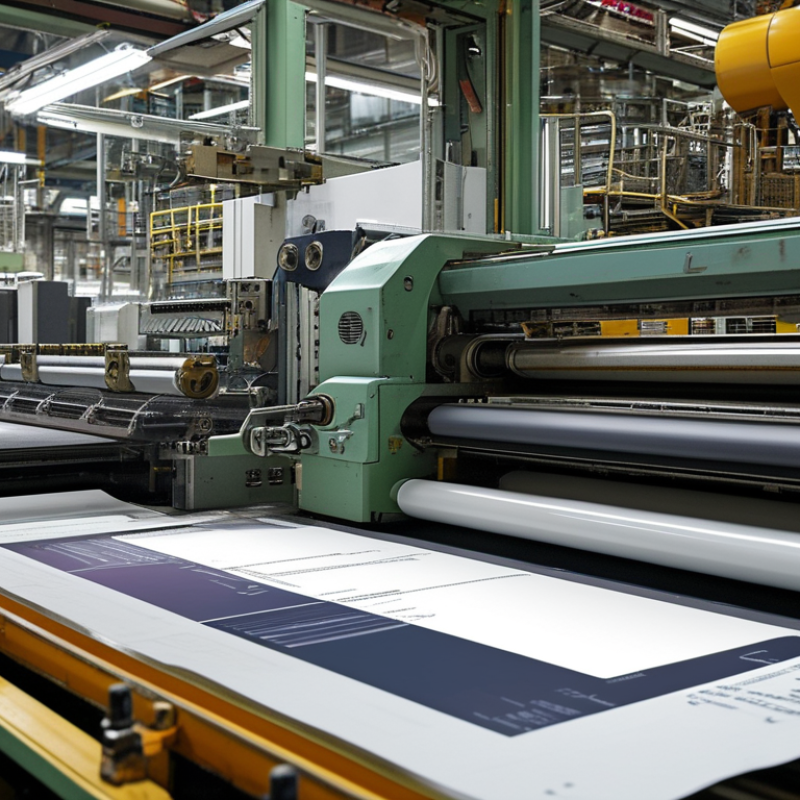
In modern production lines, printing machines have become vital components, contributing significantly to efficiency and product quality. According to industry reports, integrating advanced printing technology can enhance production speed by up to 30%. As consumer demand grows for personalized products, printing machines offer versatility and adaptability in manufacturing processes. This adaptation is crucial for staying competitive in fast-paced markets.
Many businesses face challenges when incorporating these machines. Data indicates that nearly 45% of manufacturers report difficulties with maintenance and operational training of staff. A lack of skilled operators can lead to production delays and increased costs. Addressing these issues is important to realize the full potential of printing technology. Furthermore, investing in proper training programs can mitigate these concerns, ensuring that staff can handle machines effectively.
The role of printing machines extends beyond mere functionality. They enable businesses to implement eco-friendly practices by reducing waste and promoting resource efficiency. However, balancing speed and sustainability remains a constant challenge. Companies must reflect on their practices regularly to optimize their production lines. Continuous assessment of printing technologies is essential to meet both production goals and environmental standards.
Integrating printing technologies into production lines requires careful evaluation of various printing methods. Each technology brings unique advantages and challenges. For instance, digital printing allows for on-demand production and personalization. According to Smithers Pira, the global digital printing market is projected to reach $29.5 billion by 2025. This growth speaks to efficiency, yet it demands a reliable infrastructure.
Flexographic printing, often used for packaging, offers high-speed options. Its ability to print on various substrates is beneficial. However, setup times and waste during production can be significant drawbacks. A report from Grand View Research indicates that flexographic printing is expected to grow at a CAGR of 5.8% through 2028. Companies need to weigh these aspects against their production goals.
Assessing costs is crucial. Traditional offset printing, while producing high-quality results, comes with hefty setup fees. It might not suit smaller runs well. A balance between quality and cost-efficiency must be found. Many organizations overlook this when deciding on integration. Evaluating each technology's strengths and weaknesses is essential to making informed choices.
Integrating printing machines into production lines requires careful assessment of workflow and layout. The placement of machines directly influences efficiency. Small adjustments can lead to significant improvements. Consider the overall flow of materials. A smooth transition between processes minimizes delays and risks.
Tips: Analyze your current workflow. Identify bottlenecks and areas where machines can be better positioned. Engaging employees in these discussions can provide valuable insights.
When examining layouts, prioritize visibility and accessibility. Machines should be easy to reach for operators. This ensures quick responses to potential issues. However, not every layout will work perfectly at the outset. Be prepared to rearrange or adjust placements based on real-time feedback.
Tips: Test various configurations. Stay flexible and open to changes. Regularly review layout effectiveness and worker feedback. Reflecting on the process leads to optimized performance over time.
Integrating printing machines into production lines can enhance efficiency. However, achieving seamless integration often involves advanced automation and software solutions. These technologies help streamline workflows and reduce manual errors. They create a cohesive environment where each machine communicates effectively with others, improving overall productivity.
Automation is essential for modern production. Implementing automated systems can be complex. Challenges include ensuring compatibility between existing equipment and new software. Additionally, training staff can complicate the transition. It's important to invest time in proper training. This empowers employees to utilize new systems effectively. Engaging with skilled professionals during setup can also make a significant difference.
Software solutions play a critical role. They manage tasks such as scheduling and tracking production. A strong software framework reduces downtime and keeps processes running smoothly. However, it's crucial to continuously monitor and refine these systems. Regular assessments ensure that the software adapts to evolving production needs. Finding the right balance between technology and human oversight can be challenging, but it’s necessary for optimal performance.
Integrating printing machines into production lines can significantly boost efficiency. However, this process hinges on two fundamental aspects: workforce training and equipment maintenance. Both elements require a strategic approach to ensure optimal performance.
Training your workforce is vital. Studies indicate that companies investing in employee training see productivity rise by up to 30%. Skilled operators are quicker to resolve issues, reducing downtime. Hands-on workshops can enhance understanding, allowing workers to effectively use all machine functions. Regular assessment is crucial to identify skill gaps. Motivating staff through incentives can also foster a culture of continuous learning.
When it comes to equipment maintenance, following a strict regimen is key. According to industry reports, up to 70% of machine breakdowns are preventable through routine checks. Implementing predictive maintenance strategies can help identify potential failures before they occur. Consistency in maintenance practices can enhance machine lifespan. Create a log for maintenance activities to track trends and issues over time.
Tip: Schedule monthly training sessions for staff. This keeps skills sharp and knowledge fresh.
Tip: Use a checklist for preventive maintenance tasks. It ensures nothing is overlooked during inspections.
Reflecting on these areas reveals the challenge: time and resource commitments. Balancing maintenance with production schedules can be complex. However, the investment in people and machines will pay off in the long run.
: Digital printing allows for on-demand production and personalization. It enhances efficiency but requires a reliable infrastructure.
Flexographic printing is often high-speed and suitable for various substrates. However, it can have significant setup times and waste.
Different printing methods come with varying costs. Organizations often overlook this factor, impacting their decision-making process.
Analyze the current workflow to identify bottlenecks. Small adjustments can lead to significant efficiency improvements.
Engaging employees can provide valuable insights into layout effectiveness. Be open to rearranging placements based on their feedback.
Ensuring compatibility with existing equipment can be complex. Proper training for staff is crucial for a smooth transition.
Software solutions manage scheduling and tracking. Consistent monitoring helps adapt systems to changing production needs.
Not every layout will be perfect initially. Be prepared to adjust placements based on real-time feedback and efficiency.
Automation streamlines workflows and reduces manual errors, promoting a cohesive environment among machines.
Regular assessments and refinements of software and layouts are essential. Reflecting on performance leads to better outcomes.
In modern manufacturing, understanding how to integrate printing machines into production lines is essential for enhancing efficiency and meeting consumer demands. This process begins with recognizing the pivotal role that printing machines play, followed by a careful evaluation of various printing technologies to ensure compatibility with existing production systems.
Subsequently, assessing workflow and layout is crucial for optimal machine placement, which maximizes productivity. Implementing automation and software solutions can further streamline the integration process, making operations more seamless. Finally, training the workforce and maintaining equipment are vital for sustaining efficiency and ensuring that the printing systems operate at peak performance. Effective integration not only enhances production capabilities but also allows manufacturers to remain competitive in a rapidly evolving market.

Fusion Digital Print