Screen printing is a crucial process in industrial production. Many industries utilize this technique for various applications. But how does screen printing work in industrial production? Understanding the mechanics and principles behind this process can enhance efficiency and quality.
In essence, screen printing involves pushing ink through a mesh screen onto a substrate. The method allows for vibrant colors and intricate designs. However, achieving consistent results can be challenging. Factors such as screen tension, ink viscosity, and speed of production play significant roles. Each element requires careful consideration and adjustment.
Despite its strengths, screen printing is not without its drawbacks. Setup time can be lengthy, especially for complex designs. Moreover, the learning curve for operators can be steep. The balance of efficiency and quality demands constant refinement. Industry professionals must continuously assess techniques to stay competitive. By exploring how screen printing functions in industrial contexts, one uncovers both its advantages and limitations.
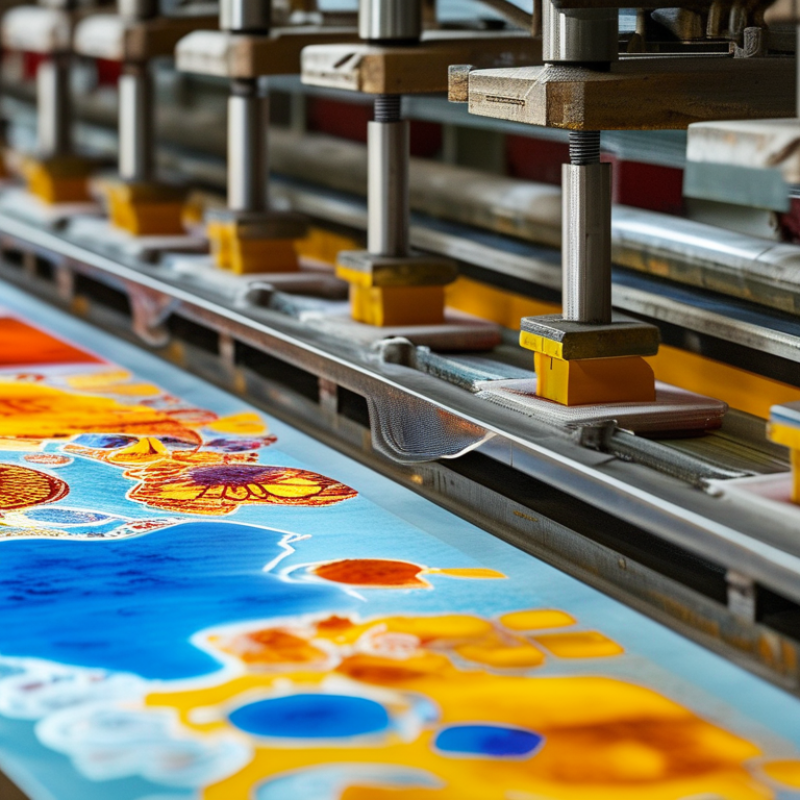
Understanding the Basics of Screen Printing in the Industrial Context
Screen printing, a method often utilized in various industries, involves transferring ink through a mesh screen. This approach is prevalent in textile printing, packaging, and promotional goods. According to a recent report by Smithers, the global screen printing market is projected to reach $10.4 billion by 2025. This insight signals a healthy demand across numerous sectors.
The process begins with creating a stencil on the mesh screen. The ink is then pushed through the openings, allowing for vivid colors and intricate designs. It offers high durability, especially for fabrics. However, many companies face challenges in achieving consistent quality. Variation in ink viscosity and screen tension can lead to discrepancies in the final product.
Additionally, the environmental impact of screen printing should be acknowledged. The use of solvents and chemicals can raise sustainability concerns. Some reports suggest that nearly 30% of waste in the screen printing industry stems from misprints and errors. Addressing these issues can improve both efficiency and environmental footprint. Companies are increasingly exploring eco-friendly inks and processes to mitigate such challenges.
The Role of Screens and Emulsions in the Screen Printing Process
The screen printing process is fascinating, particularly the role of screens and emulsions. In basic terms, screens act as stencils. The emulsion is a light-sensitive material coated on the screen. When exposed to light, the emulsion hardens where the design is not needed. The unexposed areas wash away, creating a clear template for ink to pass through.
Screens come in various mesh counts, impacting the final print. A lower mesh count allows more ink, producing vibrant colors. Conversely, a higher mesh count offers finer details but requires precise registration. Each choice affects texture and finish.
However, mastering this technique isn't straightforward. Print runs can be inconsistent. Variables like humidity, ink viscosity, and screen tension impact quality. Managing these factors can be tricky, often leading to unsatisfactory results. Continuous learning and experimentation are essential in perfecting screen printing. Overall, the interplay of screens and emulsions is vital to the artistry and precision of the process.
Types of Inks Used in Screen Printing and Their Applications
Screen printing relies heavily on the choice of inks. Different inks serve distinct purposes, making them essential for various applications. The most common types include plastisol, water-based, and discharge inks. Plastisol ink, a popular choice in the industry, is favored for its durability and vivid colors. Reports suggest that around 70% of screen printers use plastisol due to its excellent opacity on dark fabrics.
Water-based inks are growing in popularity, especially for environmentally conscious consumers. They are easier to clean up and produce softer prints. According to a recent industry analysis, the market for water-based inks is expected to grow by 10% over the next few years. However, they may not always provide the same level of opacity as plastisol inks. This can lead to a need for additional screens or layers, which can complicate the printing process.
Discharge inks interact with the dye in the fabric, often yielding a soft feel. They are ideal for achieving a vintage look. Despite their benefits, discharge inks require careful handling and expert knowledge. Improper use can result in washed-out designs. Industry professionals emphasize the importance of understanding ink properties to maximize quality while minimizing waste. Ensuring optimal compatibility between ink and fabric remains a challenge for many screen printers.
Top 10 Insights on How Screen Printing Works in Industry - Types of Inks Used in Screen Printing and Their Applications
| Ink Type |
Characteristics |
Common Applications |
Drying Method |
| Plastisol Ink |
Opaque, durable, and versatile |
T-shirts, hoodies, and promotional items |
Heat curing required |
| Water-based Ink |
Eco-friendly, soft hand feel |
Apparel, bags, and eco-conscious products |
Air drying or heat setting |
| Solvent-based Ink |
Chemical resistant, fast-drying |
Outdoor signage, banners, and vehicle wraps |
Evaporation and heat curing |
| Discharge Ink |
Removes dye from fabric, soft finish |
Cotton apparel with a vintage look |
Heat curing needed |
| Specialty Inks |
Includes glow-in-the-dark, metallic, and more |
Unique designs and custom applications |
Varies by ink type |
| Acrylic Ink |
Fast-drying, flexible, and water-resistant |
Art prints and mixed media |
Air drying |
| Sublimation Ink |
High vibrancy and durability |
Polyester fabrics and promotional items |
Heat transfer process |
| Inkjet Ink |
Variety of formulations available |
Direct to garment printing |
Air or heat drying |
| UV Ink |
Cured with UV light, instant drying |
Decorative printing, labels, and packaging |
UV curing |
Key Equipment and Tools Required for Industrial Screen Printing
Screen printing is a pivotal method in the industrial printing sector. The right equipment and tools are essential for success. A reliable screen printing press is the heart of this process. The press type can vary significantly, depending on the scale of production. High-end automatic machines, capable of producing thousands of prints daily, dominate large factories.
Quality screens are equally important. They are usually made from synthetic fibers, ensuring precision in printing. Recent industry reports indicate that businesses can achieve up to 90% efficiency with high-quality screens. Squeegees also play a critical role. Their material and hardness can alter ink flow and texture. A poorly chosen squeegee may lead to inconsistent prints that waste time and resources.
Furthermore, proper ink selection is vital. Water-based and plastisol inks serve different purposes. Each has unique properties, affecting the final product's quality. A study shows that over 30% of printing errors stem from ink choice. Businesses must invest time in selecting the right tools and understanding their capabilities. This approach helps in minimizing faults and producing high-quality prints efficiently.
Top 10 Insights on How Screen Printing Works in Industry
Quality Control Measures in the Screen Printing Industry
Quality control is critical in the screen printing industry. It ensures that every product meets the highest standards. Inadequate quality checks can lead to inconsistent color, misaligned graphics, and ultimately, customer dissatisfaction.
Implementing routine inspections can greatly enhance quality. For instance, screen tension should be regularly measured. This helps maintain precision in prints. Poor screen tension can result in blurred images or incorrect colors, leading to significant rework.
Tip: Always conduct a test print before running a full batch. This step can save time and resources. Adjustments made during this stage can prevent larger issues down the line. Use a consistent ink mix to maintain color accuracy.
Another important aspect is training staff. Employees should understand quality standards and be familiar with equipment. However, not every operator may grasp these standards. Regular training sessions can help bridge this gap.
Tip: Encourage open communication about quality issues. This fosters a culture of improvement. When team members feel comfortable voicing concerns, they can collectively address potential problems. This proactive approach allows screen printing operations to continuously refine processes.
Conclusion
Screen printing is a versatile and widely used technique in industrial production, allowing for the efficient transfer of designs onto various substrates. Understanding how does screen printing work in industrial production involves grasping the fundamental processes, such as the role of screens and emulsions which facilitate the accurate application of inks. Different types of inks serve distinct purposes, depending on the material and desired finish of the final product.
Key equipment and tools are essential for success in screen printing, from presses to drying units, ensuring high-quality outputs. Moreover, implementing robust quality control measures throughout the printing process is crucial to maintain consistency and meet industry standards. By mastering these elements, businesses can optimize their screen printing operations, offering durable and visually appealing products in a competitive market.

 Fusion Digital Print