Industrial printing technology has transformed various sectors with its innovative applications and capabilities. According to a recent report by Smithers Pira, the global industrial printing market is projected to reach $12 billion by 2025. This growth highlights how industries are increasingly turning to advanced printing methods to enhance efficiency and reduce costs.
When exploring what industries use industrial printing technology, experts emphasize sectors such as packaging, textiles, and electronics. Dr. Emma Johnson, a leading figure in industrial printing research, states, "The versatility of industrial printing allows different sectors to customize their products effectively." This customization is crucial as businesses strive to differentiate themselves in a competitive market.
Despite its benefits, the adoption of industrial printing technology comes with challenges. For many companies, adjusting to new processes can be daunting. Additionally, the initial investment in technology may deter smaller firms. However, those that embrace these innovations often find value in improved production efficiency and better market responsiveness. The journey is complex, but the potential rewards can reshape entire industries.
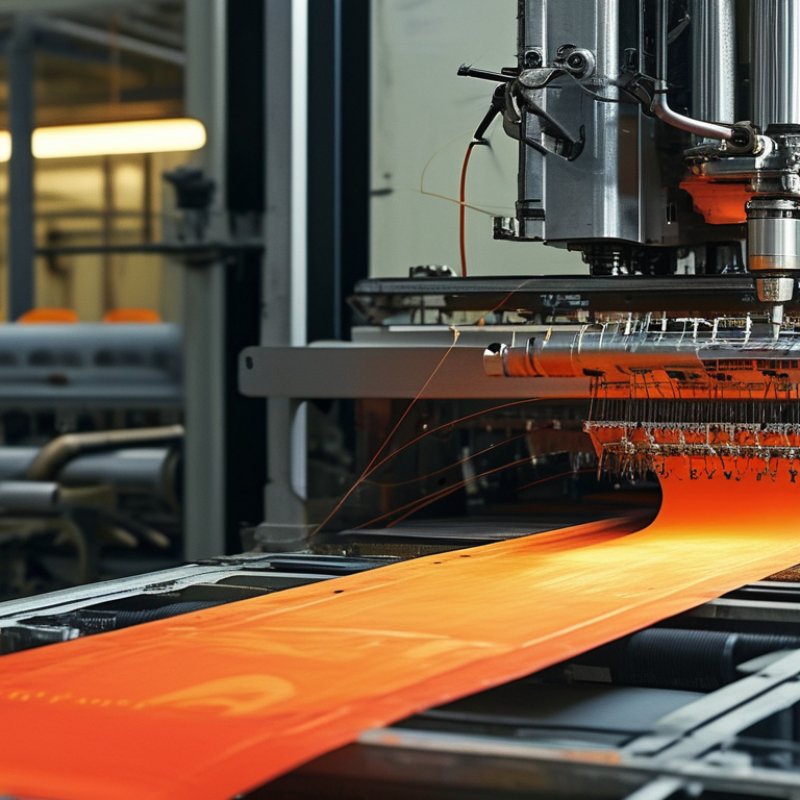
The adoption of industrial printing technology is transforming various sectors. According to a report by Smithers, the global industrial printing market is projected to reach $26.9 billion by 2023. This rise in demand highlights the increasing significance of efficient, customizable printing solutions in driving growth.
Manufacturing is one of the key industries benefiting from these advancements. Industrial printing enables manufacturers to produce intricate designs and personalized products at lower costs. A recent survey revealed that over 30% of manufacturers have integrated digital printing technologies into their operations. This shift allows for greater agility and responsiveness to market trends. However, challenges remain in terms of quality control and machinery maintenance.
Packaging is another sector experiencing significant changes. The global market for printed packaging is expected to grow at a CAGR of 4.5% through 2027. Brands are focusing on sustainability and innovative designs to attract consumers. Yet, the reliance on high-quality inks and substrates can lead to increased production costs. As industries continue to innovate, they must also address these complexities to fully harness the potential of industrial printing technologies.
Industrial printing technology is revolutionizing the packaging sector. This evolution is evident in the rise of customized packaging solutions. According to a report by Smithers Pira, the global digital print market for packaging is projected to grow by 12% annually, reaching over $20 billion by 2026. Customization helps brands engage with consumers on a deeper level.
Efficiency is another critical aspect of industrial printing. Traditional printing methods often involve longer lead times. However, with digital technologies, companies can produce packaging on-demand. A recent study indicates that companies that adopt digital printing reduce waste and improve production speed by up to 50%. This efficiency allows them to respond quickly to market trends and consumer demands.
Despite the advancements, challenges remain. Not all materials are compatible with industrial printing technologies. This limits some brands' capabilities for sustainable packaging. Moreover, the high initial setup costs can deter smaller businesses from embracing these technologies. Addressing these issues is essential for the packaging sector to fully harness the benefits of industrial printing.
The automotive industry is increasingly embracing industrial printing technology to enhance vehicle customization and branding. This approach allows manufacturers to create unique designs and trims on vehicles, providing a personal touch that stands out in a crowded market. Traditional methods often limit customization; however, industrial printing introduces flexibility. Vehicle surfaces can display intricate patterns, vibrant colors, and even textures that captivate consumers.
Customization goes beyond aesthetics. Branding plays a crucial role in attracting customers. Effective use of industrial printing allows automakers to showcase their logos and slogans in dynamic ways. Companies can experiment with visuals that resonate with target demographics. Nonetheless, this blend of creativity and technology comes with challenges. Some manufacturers may struggle to balance innovative designs with production costs. Finding the right material for printing is vital. Not every surface supports complex printing without sacrificing quality.
While there are advantages to using industrial printing, the technique is not without its drawbacks. Durability and wear resistance are essential factors. Printed surfaces may fade over time or suffer from scratches. Automotive brands must continually assess the longevity of their printing processes. Consumer reactions can vary, and maintaining a high standard is critical. Thus, while industrial printing opens new avenues, it demands careful implementation and ongoing evaluation.
| Industry | Application | Benefits | Market Growth (%) |
|---|---|---|---|
| Automotive | Customization of vehicle interiors and exteriors | Enhanced branding and personalization | 6.5% |
| Aerospace | Printing of complex parts and designs | Reduction in weight and cost | 5.8% |
| Consumer Electronics | Customization of device casing and packaging | Unique branding opportunities | 7.2% |
| Medical | Customization of medical devices and labels | Improved patient compliance and satisfaction | 4.5% |
| Packaging | Custom printed packaging solutions | Enhanced branding and visibility | 8.0% |
Industrial printing technology is making significant strides within the healthcare sector. According to recent reports, the global market for medical printing is projected to reach over $10 billion by 2026, growing at a CAGR of around 6.2%. This growth reflects the increasing demand for customized medical solutions. Hospitals are now using industrial printing for creating patient-specific medication packaging and surgical guides.
One notable trend is the adoption of 3D printing in prosthetics and implants. A study from the National Institutes of Health indicated that 3D-printed prosthetics can reduce costs by up to 50%. This technology allows for tailoring products to fit the anatomical needs of individual patients, enhancing their comfort and effectiveness. Nonetheless, the integration of new technologies presents challenges, including regulatory hurdles and the need for skilled personnel.
Moreover, industrial printing is facilitating the production of labels and barcodes essential for tracking medications. Data from healthcare logistics suppliers show that up to 30% of medication errors can be attributed to labeling issues. By streamlining this process, printing technologies can reduce errors and enhance patient safety. As the sector evolves, the reliance on precise printing technologies will become increasingly essential for healthcare providers.
The industrial printing market is showing promising growth across various sectors. Key industries are embracing this technology to enhance production efficiency and customizability. High demand for personalized products is driving this evolution. Industries such as packaging, textiles, and automotive are expanding their adoption of industrial printing techniques. As these sectors innovate, they create opportunities fuelled by advancements in technology.
Tips: Invest in training. Your team should understand the latest techniques. Knowledge of new machinery can boost production quality.
The future of industrial printing seems bright, but it is not without challenges. Adapting to rapid technological changes requires continuous learning and investment. Companies may struggle with integration into existing systems. It’s essential to stay adaptable and willing to rethink current practices.
Tips: Focus on sustainability. All industries face mounting pressure to reduce waste. Consider eco-friendly printing solutions that align with regulations and consumer preferences.
: Industrial printing is revolutionizing packaging with customized solutions that deepen consumer engagement.
The market is projected to grow by 12% annually, reaching over $20 billion by 2026.
Efficiency reduces lead times, allowing for on-demand packaging that meets market trends quickly.
Companies can reduce waste and improve production speed by up to 50%, enhancing overall efficiency.
Compatibility issues with materials can limit sustainable packaging options for some brands.
High initial setup costs can deter smaller businesses from adopting these technologies fully.
It allows unique designs and intricate patterns, providing a personal touch that stands out.
Printed surfaces may fade or scratch over time, necessitating ongoing evaluation by brands.
Companies should consider eco-friendly solutions that meet regulations and consumer preferences.
Continuous learning and adapting to new techniques is crucial for integrating advanced systems effectively.
Industrial printing technology is being increasingly adopted across various sectors, playing a crucial role in driving growth and innovation. Key industries leveraging this technology include packaging, where it enhances both efficiency and creativity, enabling more dynamic designs and sustainable solutions. In the automotive sector, industrial printing allows for greater customization and branding opportunities, transforming vehicle aesthetics and identity. Additionally, the healthcare industry is benefiting from industrial printing through improved labeling and the production of medical devices, supported by emerging trends and statistics that highlight its impact.
Looking ahead, the future forecast for industrial printing indicates significant market growth across these key industries, further emphasizing its importance. As businesses seek new and innovative ways to connect with consumers, understanding what industries use industrial printing technology will be essential for stakeholders aiming to stay ahead in competitive markets.

Fusion Digital Print