In the dynamic realm of industrial printing, understanding "how much does industrial printing cost" is crucial for global buyers. According to recent industry reports, the global market for industrial printing was valued at approximately $672 billion in 2022, and it is expected to grow at a steady rate. This growth underscores the importance of cost analysis for businesses looking to optimize their operations.
Factors influencing industrial printing costs include material type, technology used, and production volume. For instance, using eco-friendly materials may increase initial costs but can lead to long-term savings. A comprehensive study by Smithers Pira highlighted that effective supply chain management could reduce costs by 15-20%.
However, companies must also navigate the variability in pricing structures. Not all service providers offer transparent pricing. Hence, buyers often face challenges when estimating total costs. Engaging in price comparison and understanding the finer details of contracts is essential. As the market evolves, fostering strong relationships with reliable suppliers may yield better pricing options in the future.
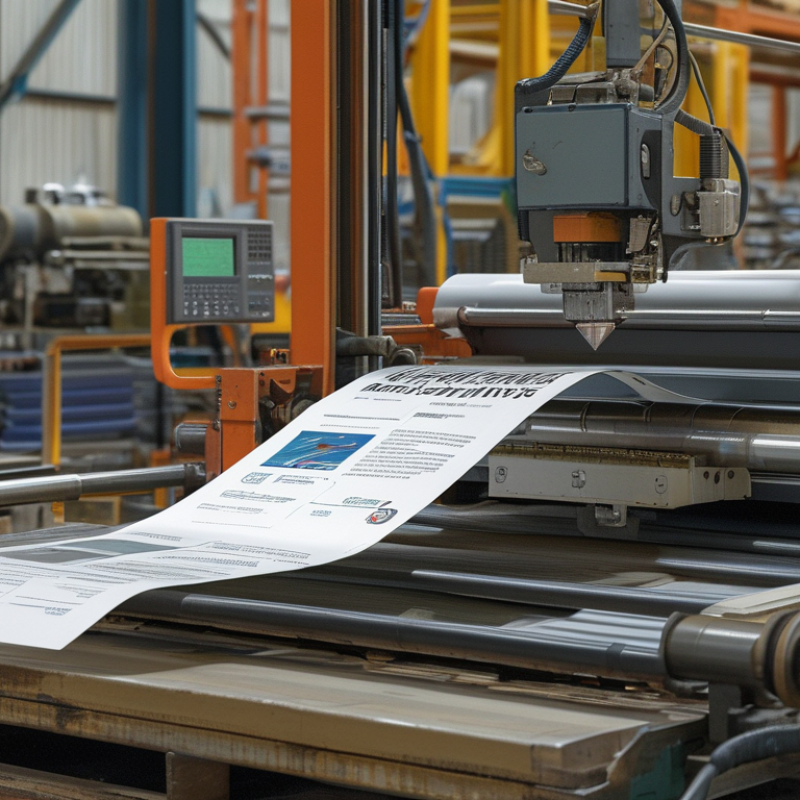
Industrial printing costs can vary significantly among global markets. Several factors influence these costs, affecting buyers' budgets. One key aspect is the type of printing technology used. Digital printing is often more flexible for short runs. Conversely, traditional methods such as offset printing may reduce costs for larger orders.
Another important factor is the material choice. Different substrates can lead to varying price points. High-quality paper or specialty materials generally result in higher costs. It's crucial for buyers to evaluate their material requirements carefully.
When planning your printing project, consider these tips. Specify your project's scale early on, as this can affect unit costs. Always seek quotes from multiple suppliers before making a decision. Price ranges can differ based on proximity to production facilities. Lastly, keep in mind that timelines can impact cost; rush jobs usually come with a premium. Evaluating these components will help navigate the complexities of industrial printing expenses effectively.
In the world of industrial printing, understanding cost is essential for global buyers. The price can vary significantly depending on several factors. Typically, labor costs, material quality, and production volume greatly influence the final price. For instance, high-quality inks and specialty substrates can increase costs considerably. Small orders might also incur additional fees, diminishing the economies of scale.
Most industrial printing services feature a base cost that includes setup and equipment use. Additional charges may arise for design revisions or complex printing techniques. Buyers should carefully assess these aspects when budgeting. Ignoring these details can lead to unexpected expenses. Cost transparency remains crucial. A lack of clarity can create confusion and mistrust.
Buyers should not only focus on upfront costs. Evaluating the long-term value and durability of printed materials is vital. Sometimes, a cheaper option may not deliver the expected quality. This can lead to reprinting, ultimately raising overall expenses. Understanding these complexities can aid in making informed decisions about industrial printing.
When analyzing printing costs globally, significant disparities emerge between countries. According to the 2022 Global Print Industry Report, the average cost per square meter for digital printing in North America is around $5. In contrast, countries in Southeast Asia report costs as low as $2. This difference can be attributed to varying labor costs, material availability, and technological advancements.
European countries tend to fall in between these extremes, averaging about $3.50 per square meter. The report indicates that the European print market remains competitive, often influenced by strict environmental regulations that can dampen production efficiency. Additionally, fluctuations in currency exchange rates add an unpredictable layer to international pricing.
Moreover, sourcing materials can impact overall expenses. For instance, wood-based materials are cheaper in regions with abundant forestry, like Canada, while synthetic materials can push costs higher in countries that rely heavily on imports. Understanding these nuances is vital for global buyers aiming to optimize their printing investments. Further research on regional trends will be essential for making informed decisions.
The rise of technology has transformed many industries, and industrial printing is no exception. Advanced printing technologies, such as digital printing, have significantly influenced pricing trends. Global buyers are now able to access high-quality prints at lower costs. This shift allows for greater customization and small-batch production. However, the price fluctuation can be a challenge for businesses with fixed budgets.
Automation in printing processes has led to increased efficiency. More efficient machinery reduces labor costs. This reduction can positively impact prices for buyers, but initial investments in technology can be high. Companies must weigh the benefits against these upfront expenses. Furthermore, the need for quick turnarounds may pressure pricing strategies. As companies adapt to rapid market changes, the struggle to keep prices competitive becomes evident.
Additionally, sustainability trends are shifting costs. Eco-friendly printing methods often require more research and development. These innovations can lead to higher expenses, which may be passed on to consumers. While environmentally conscious buyers may appreciate these efforts, price sensitivity can create tension in purchasing decisions. Industries must balance eco-friendly initiatives with affordability to retain customer trust.
When budgeting for industrial printing projects, several factors come into play. Understanding these factors helps firms allocate resources wisely. On average, costs range from $0.05 to $13 per unit, depending on variables like material, complexity, and volume. A report by Smithers Pira indicates the global industrial printing market will reach $23 billion by 2024, reflecting increasing demand across sectors.
Evaluating the production method is crucial. Digital printing offers flexibility with lower initial costs, while offset printing is ideal for high volumes, yet requires significant prep time. Recent research shows that 60% of buyers underestimate printing costs, often neglecting hidden expenses such as design alterations and shipping fees. These oversights can distort financial projections, leading to budgetary constraints.
Another vital aspect is sustainability. Firms are now prioritizing eco-friendly options, often at a premium. Reports suggest over 30% of companies will increase their green printing budgets over the next few years. Clients may find that choosing sustainable materials can raise costs; however, the long-term benefits often outweigh these initial expenses. Balancing these considerations is essential for effective budgeting.
| Printing Type | Average Cost per Unit ($) | Minimum Order Quantity | Turnaround Time (days) |
|---|---|---|---|
| Digital Printing | 0.50 - 3.00 | 100 | 2 - 5 |
| Flexographic Printing | 0.10 - 1.50 | 500 | 5 - 10 |
| Offset Printing | 0.20 - 2.00 | 1000 | 7 - 15 |
| Screen Printing | 0.30 - 4.00 | 200 | 3 - 7 |
| Gravure Printing | 0.15 - 2.50 | 3000 | 10 - 20 |
: Several factors influence printing costs, including technology, material choice, and project scale.
Digital printing is flexible for short runs, while offset printing reduces costs for larger orders.
Different substrates affect price; high-quality or specialty materials typically cost more.
Buyers should seek quotes from multiple suppliers and consider timelines, as rush jobs cost more.
Costs vary significantly; for example, digital printing can be $5 in North America and $2 in Southeast Asia.
Lower labor costs and abundant material availability can lead to cheaper printing in some regions.
Many underestimate costs and overlook hidden fees like design and shipping, straining budgets.
Eco-friendly printing options may be more expensive, but the long-term benefits can justify these costs.
Balancing technology, materials, and sustainability is essential for effective and accurate budgeting in printing.
Specifying project size early on can significantly affect unit costs and overall budgeting.
In exploring the question of "how much does industrial printing cost," it's essential to acknowledge the various factors that affect pricing in global markets. Costs can vary significantly based on materials, techniques, and scales of production, as well as the geographic location of the printing service provider. An average cost breakdown reveals that while some regions benefit from lower labor and material costs, others might have higher expenditure due to advanced technology and quality standards.
Furthermore, the analysis of printing costs across different countries illustrates the impact of economic conditions and industry standards on pricing trends. Advancements in technology are also reshaping the landscape, leading to more competitive pricing and options for buyers. For effective budgeting of industrial printing projects, understanding these variables is crucial to ensure that clients can allocate their resources wisely while achieving their desired outcomes.

Fusion Digital Print