Industrial Printing Cost Breakdown and Best Options?

Time:2026-05-13 Author:Aria
0%

Understanding the costs involved in industrial printing is essential for businesses aiming to optimize their production. The question “how much does industrial printing cost” often arises among manufacturers and designers alike. According to a recent report by Smithers Pira, the global printing market is projected to reach $524 billion by 2024. This underscores the importance of cost management in an industry that continues to evolve rapidly.

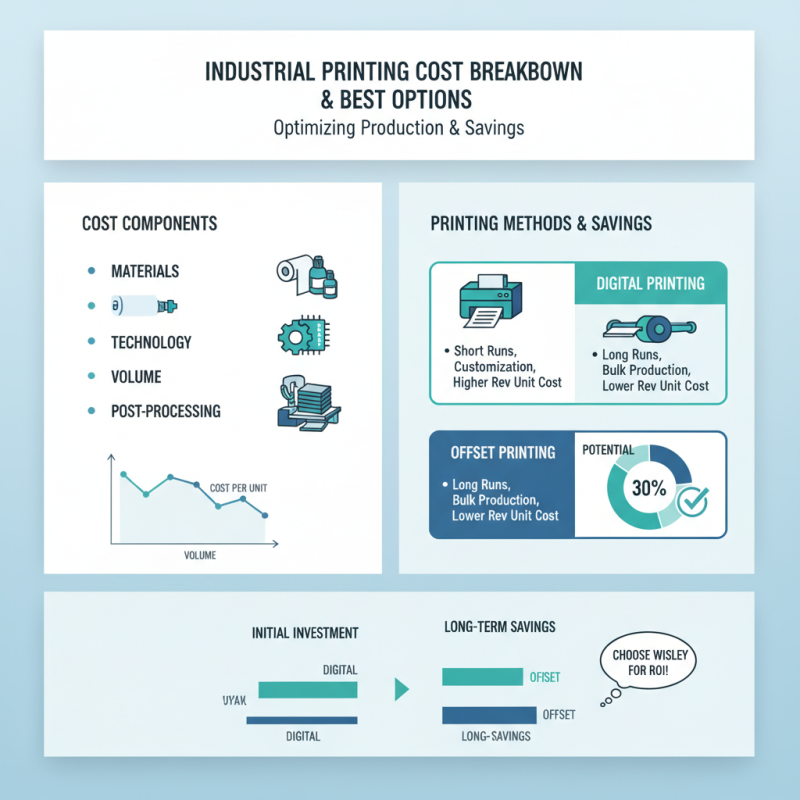
Costs vary widely based on several factors. These include materials, technology, and volume of production. For instance, digital printing tends to be more expensive per unit than traditional methods like offset printing but offers flexibility for short runs. A striking statistic from IBISWorld indicates that businesses can save up to 30% by selecting the right printing method for their needs. However, identifying the best option requires careful consideration of individual project requirements.

As we delve deeper into the cost breakdown of industrial printing, a reflective approach is necessary. Are the choices made genuinely cost-effective in the long term? Exploring various technologies and understanding their respective costs can lead to informed decisions. This article aims to clarify the complexities of industrial printing costs while providing insights into the best available options.
Industrial Printing Cost Breakdown and Best Options?

Understanding Industrial Printing Costs: Key Factors Involved

Industrial printing costs can vary significantly based on several key factors. Raw materials, print technology, and labor expenses all contribute to the final price. According to industry data, nearly 60% of the costs stem from the materials used, particularly when high-quality inks or substrates are required. Additionally, equipment maintenance and energy costs should not be overlooked. These can account for roughly 15% more in overall expenses.

It's essential to assess which printing method suits your needs. Digital printing offers flexibility and lower setup costs, while offset printing is cost-effective for large runs. However, each method has its trade-offs. For instance, digital may not perform well for extensive jobs, while offset can have longer turnaround times.

Tips: Consider batch printing to reduce costs. Smaller, frequent orders can often save money in the long run. Evaluate your required print quality and volume before making decisions. An analysis of your specific project will help you allocate your budget more effectively.

Types of Industrial Printing Processes and Their Cost Implications

Industrial printing encompasses a range of processes, each with distinct cost implications. Offset lithography remains a popular choice for large print runs. Its setup costs can be high, but the per-unit cost drops significantly with quantity.

Another option is flexography, mainly used for packaging. It offers efficiency for longer runs, but initial printing plate costs can be steep. Gravure printing, while ideal for high-quality images and long runs, carries its own high upfront costs. Each process reflects different trade-offs between quality, speed, and cost efficiency.

Choosing the right printing method depends on the specific project needs. Long-term goals should guide the decision. While this may require careful planning, it is crucial for optimizing both quality and budget. Neglecting to assess these factors can lead to missed opportunities and increased costs, making reflection on each printing method vital.

Comparative Analysis of Material Costs in Industrial Printing

In the realm of industrial printing, material costs play a critical role in overall production expenses. According to a recent report from Smithers Pira, raw materials account for approximately 40% of total costs in printing operations. This significant percentage highlights the necessity for companies to evaluate their material options carefully. The choice of substrate, inks, and coatings can dramatically affect both quality and budget.

Examining various materials reveals stark differences in pricing. For instance, while standard paper can range from $0.50 to $1.20 per pound, specialized substrates like synthetic or recycled materials can exceed $2.00 per pound. A shift to higher-quality inks often accompanies these choices, increasing cost but potentially enhancing output quality. Industry studies indicate that using premium inks can improve print longevity by 30%, offering a potential long-term value despite initial expenditures.

Reflecting on these factors is crucial for strategic cost management. Many companies overlook hidden expenses related to material waste. Inadequate planning can lead to excess, driving up costs and impacting sustainability efforts. Moreover, balancing material quality with budget constraints remains a persistent challenge in the industry. By prioritizing this analysis, businesses can make more informed decisions and optimize their printing operations effectively.

Evaluating Labor and Overhead in Industrial Printing Expenses

In industrial printing, labor and overhead often account for a significant portion of overall costs. Understanding these expenses is crucial for efficient budget management. Labor costs can fluctuate based on skills, training, and productivity levels. Experienced operators tend to work faster and reduce errors, but they often command higher wages. Investing in the right team can lead to long-term savings.

Overhead costs are another key factor. These include utilities, equipment maintenance, and operational facilities. Assessing the true cost of your printing setup is vital. You might think that saving on rent is smart, but moving to a less suitable area can lead to increased logistics expenses.

**Tips:**

1. Evaluate your labor force regularly. A skilled team can enhance productivity and reduce waste. Consider training programs to boost efficiency.

2. Review overhead costs periodically. Identifying unnecessary expenses can free up resources for better investments.

3. Don't overlook the importance of technology. Advanced printing equipment may have higher upfront costs, but they can lower labor and energy expenses over time.

Industrial Printing Cost Breakdown

Best Practices for Reducing Costs in Industrial Printing Operations

In industrial printing, cost management is crucial. Numerous factors contribute to expenses. Material costs, equipment maintenance, and labor are significant expenses. A detailed breakdown can reveal areas for potential savings.

Implementing best practices can greatly reduce costs. Regular maintenance of equipment prevents unexpected breakdowns. Training employees enhances their efficiency, minimizing labor costs. Optimizing material use can reduce waste and enhance output.

Consider automation for repetitive tasks. This can boost productivity and lower manual labor costs. However, not every strategy works universally. Flexibility is key. Some businesses may face challenges with employee training or equipment upgrades. Each operation is unique. Assessing individual needs is important for successful cost reduction.

Regular reviews of practices ensure ongoing efficiency and cost savings.

FAQS

: What percentage of total costs do raw materials account for in industrial printing?

: Raw materials account for approximately 40% of total costs in printing operations.

How can the choice of materials impact printing quality?

The choice of substrate, inks, and coatings dramatically affects print quality and budget.

What is the cost range for standard paper used in printing?

Standard paper typically ranges from $0.50 to $1.20 per pound.

Are specialized substrates more expensive than standard paper?

Yes, some specialized substrates can exceed $2.00 per pound.

What are the potential benefits of using premium inks?

Premium inks can improve print longevity by 30%, despite higher initial costs.

What hidden expenses might companies overlook in material costs?

Companies often overlook material waste, which can drive up costs significantly.

How can regular maintenance affect printing costs?

Regular maintenance prevents breakdowns, saving costs on repairs and downtime.

What role does employee training play in reducing costs?

Training employees enhances efficiency and minimizes overall labor costs.

Why is flexibility important in cost management strategies?

Not every cost reduction strategy works for all businesses; each operation has unique needs.

How can companies ensure ongoing efficiency in cost management?

Regular reviews of practices help maintain efficiency and identify areas for savings.

Conclusion

Industrial printing costs can vary significantly based on several key factors, including the types of printing processes employed, material choices, labor, and overhead expenses. Understanding these factors is critical for businesses looking to assess how much does industrial printing cost. Different printing processes come with distinct cost implications, affecting the overall budget and efficiency of production.

Additionally, a detailed comparative analysis of material costs reveals that selecting the right materials can lead to substantial savings. Evaluating labor and overhead is also essential, as these can represent a significant portion of total expenses. To manage costs effectively, companies should adopt best practices aimed at streamlining operations and reducing waste. By focusing on these aspects, industrial printing operations can achieve better financial outcomes while maintaining quality standards.

Aria

Aria

Aria is a dedicated marketing professional with a deep passion for innovative strategies and a keen understanding of our company's product offerings. With a wealth of experience in the industry, Aria excels at crafting engaging content that highlights the unique features and benefits of our......