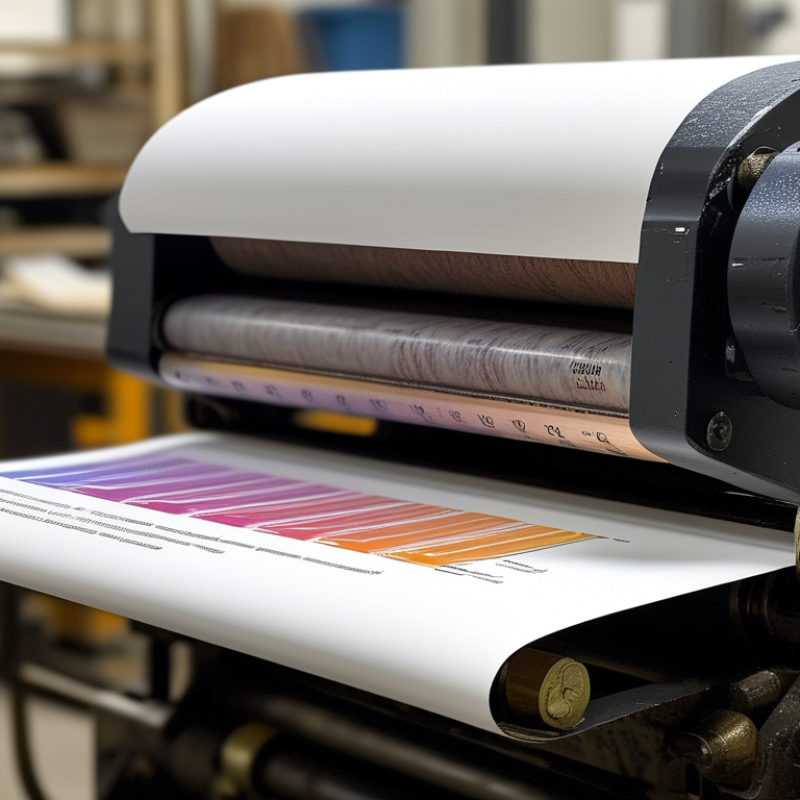
Color consistency in printing processes is a vital concern for many industries. Accurate color reproduction impacts brand identity and consumer trust. A recent report by Smithers Pira reveals that 75% of print buyers consider color consistency paramount. Understanding what affects color consistency in printing processes is essential for achieving high-quality results.
Expert David S. Clayton, a well-known figure in the printing industry, emphasizes, "Precision in color management is key to successful print jobs." Variables such as ink formulation, media type, and environmental conditions significantly influence color outcomes. An inconsistency can often arise from minor fluctuations in equipment calibration or ink density. This highlights the need for robust quality checks throughout the printing process.
Despite advancements, challenges persist. Variability in materials and human error often lead to unexpected results. Continuous education and investment in technology are crucial. A proactive approach can greatly enhance the reliability of color reproduction. Acknowledging and addressing these imperfections helps in refining processes for better outcomes.
In the world of printing, color consistency is crucial. Several factors can impact this consistency. One major factor is the type of printer used. Different printers have varied capabilities in color reproduction. Additionally, the quality of ink plays a significant role. Inconsistent ink can lead to color variations across prints.
Paper choice also affects color consistency. Different paper textures and finishes absorb ink differently, which can change the final output. Environmental conditions, such as temperature and humidity, can further complicate the consistency. Even slight variations can lead to noticeable differences in printed materials.
Tip: Always test samples on the actual paper before the final run. This practice can highlight any color discrepancies early on.
Color calibration is another significant factor. Regularly calibrating printers ensures accurate color output. Keep in mind, however, that calibration cannot fix poor-quality materials. It is essential to monitor your supplies continuously.
Tip: Document color settings for various projects. This can help in maintaining color consistency even when changing printers or materials.
Overall, understanding these factors can help printers achieve better color consistency, though challenges may still arise. Being aware of these elements empowers better decision-making in the printing process.
When exploring printing techniques, color consistency stands out as a crucial factor. Different methods can produce varying results, affecting the final output. For instance, offset printing is known for its high-quality reproduction of colors. However, it may face challenges when running multiple jobs, leading to inconsistencies in shades between prints. The setup process can also cause variations, especially with ink viscosity and paper types.
Digital printing offers faster turnaround times but may struggle with color fidelity when compared to traditional methods. Many users note that color calibration is essential. Without careful adjustments, colors may shift, particularly on different substrates. Use a color management system to maintain fidelity across various prints.
Tip: Always test print samples before a full run. This can reveal potential issues. Regular maintenance of printers is also key to achieving consistent results. Keep in mind that environmental factors, like humidity and temperature, can impact color outcomes, necessitating a controlled printing environment. Ultimately, achieving color consistency requires a combination of technique, equipment maintenance, and precise calibration.
Achieving color accuracy in printing is often challenging. Ink properties play a crucial role in this process. Different ink formulations can significantly affect color reproduction. For instance, a study by the Printing Industries of America found that 90% of color issues stem from inadequate ink consistency. Variations in viscosity, pigment concentration, and drying time can lead to noticeable discrepancies.
Moreover, the interaction between ink and substrate also influences the final outcome. It's essential to recognize that not all substrates absorb ink consistently. This inconsistency can alter color perception. For example, glossy finishes might enhance brightness but can also lead to ink spread. A recent survey indicated that 70% of print professionals believe that substrate choice is vital for achieving desired colors.
Despite advances in technology, some challenges remain. Ink formulations must balance drying time with color vibrancy. Too fast drying can cause clogging in print heads, affecting quality. Conversely, slower drying may lead to smudging. As such, continuous testing and adjustment are necessary. Industry reports highlight that 60% of professionals face ongoing issues with color consistency. Collaboration among designers, manufacturers, and printers becomes essential for refinement.
This chart illustrates the impact of various ink properties on color consistency in printing processes. The data reflects the importance of factors such as pigment concentration, viscosity, and drying time on achieving color accuracy and consistency.
Selecting the right paper is crucial for achieving consistent color output in printing. Different paper types interact uniquely with ink, significantly affecting color reproduction. According to a report by the Printing Industries of America, nearly 70% of print quality issues stem from improper paper selection. For example, glossy finishes tend to enhance color vibrancy but may cause ink to bleed. In contrast, uncoated papers absorb more ink, leading to muted colors.
Understanding the characteristics of paper can help you make informed choices. Look for papers that match your printing method and ink type. The weight, texture, and finish of the paper all play a role in how colors are displayed. Factors like opacity affect how colors mix and can lead to unexpected results. A white paper may appear different under various lighting conditions, altering perception.
Tips: Always request physical samples before purchasing. Test a small batch of your chosen paper to see how colors appear after printing. This can save time and costs associated with reprints. Additionally, keep in mind that even slight changes in humidity can change paper properties, which might affect color consistency. Stay vigilant about storage conditions to maintain quality.
Environmental factors have a significant impact on color consistency in printing processes. Temperature is one of the key elements. Keeping the temperature between 20-25°C is ideal for most printing operations. According to the International Color Consortium, color shifts occur when environments exceed these limits. Humidity also plays a critical role. A relative humidity of 40-60% helps maintain paper stability. Levels above or below this can cause paper to expand or contract, affecting print quality.
Light exposure is another concern. UV rays can fade printed colors over time, especially in sunlight. Data from the Printing Industries of America shows that unprotected prints can lose up to 50% of their color intensity in just six months under direct sunlight. Proper storage solutions can mitigate this risk.
Tips: Always monitor your printing environment's temperature and humidity regularly. Use a hygrometer for precise measurements. Invest in UV-protective coatings for outdoor prints. When the printing process doesn't meet your expectations, re-evaluate your workspace conditions. Minor adjustments can lead to major improvements in color fidelity.
| Environmental Factor | Description | Impact on Color Consistency | Recommended Control Measures |
|---|---|---|---|
| Temperature | The degree of heat in the printing environment. | Extreme temperatures can alter ink viscosity and drying times, affecting color accuracy. | Maintain a stable temperature around 20-25°C. |
| Humidity | The amount of moisture in the air. | High humidity can cause ink to smear, while low humidity can lead to static issues. | Control humidity levels between 40-60%. |
| Light Conditions | Type and intensity of lighting in the printing area. | Different light sources can impact color perception and reliability. | Use consistent, neutral lighting for color evaluation. |
| Ventilation | Air circulation within the printing space. | Poor ventilation can lead to volatile organic compounds affecting ink quality. | Ensure good ventilation to remove fumes and maintain air quality. |
| Substrate Variability | Differences in paper or material used. | Different substrates can absorb ink differently, leading to color variations. | Use consistent substrates and pre-evaluate for color matching. |
: Different methods produce varying results. For example, offset printing can face challenges during multiple jobs, leading to inconsistencies.
Color calibration is crucial as colors may shift, especially on different substrates. Without careful adjustments, fidelity can suffer.
Always test print samples before starting a full run. This step helps reveal potential issues early on.
Choosing the right paper affects color reproduction significantly. Nearly 70% of quality issues arise from improper paper choices.
Consider weight, texture, and finish. Each aspect influences how colors are displayed and mixed during printing.
Temperature and humidity are key. Maintaining 20-25°C and 40-60% humidity ensures better color stability during printing.
Use UV-protective coatings for outdoor prints. Unprotected prints can lose up to 50% of color intensity in sunlight.
Re-evaluate your workspace conditions, such as temperature and humidity. Minor adjustments may lead to significant improvements.
Regular maintenance helps achieve consistent results and prevents potential issues that can affect print quality and color fidelity.
A white paper may show different colors under various lighting conditions. Always consider lighting when evaluating printed outputs.
Color consistency in printing processes is influenced by a variety of factors that are critical for achieving accurate color reproduction. One major aspect is the type of printing technique employed, as different methods can lead to variations in color output. Moreover, the properties of inks used play a significant role; their composition and quality directly affect how colors are rendered on the printed material.
In addition to ink, the choice of paper is another vital element—certain papers can enhance or detract from color consistency, depending on their absorbency and surface texture. Environmental conditions, such as temperature and humidity, can also have a substantial impact on color stability during printing. Understanding what affects color consistency in printing processes helps printers optimize their output and achieve the desired visual results.
Fusion Digital Print