In the world of printing, understanding what factors influence printing machine performance is crucial for buyers. According to Dr. Emily Carter, a renowned expert in printing technology, "The right machine can significantly enhance productivity and quality." Her insights highlight the importance of evaluating various elements before making a purchase.
Several factors impact the effectiveness of printing machines. These include the technology used, print speed, and the types of materials. Buyers should also consider maintenance needs and the machine's compatibility with existing systems. The choice of a printer should not only focus on immediate costs but also on long-term efficiency and reliability.
However, many buyers still overlook essential aspects. They may prioritize brand reputation over specific features. This approach can lead to suboptimal choices. Ultimately, understanding what factors influence printing machine performance can empower buyers to make informed decisions that align with their business needs. By paying attention to details, they can avoid potential pitfalls.
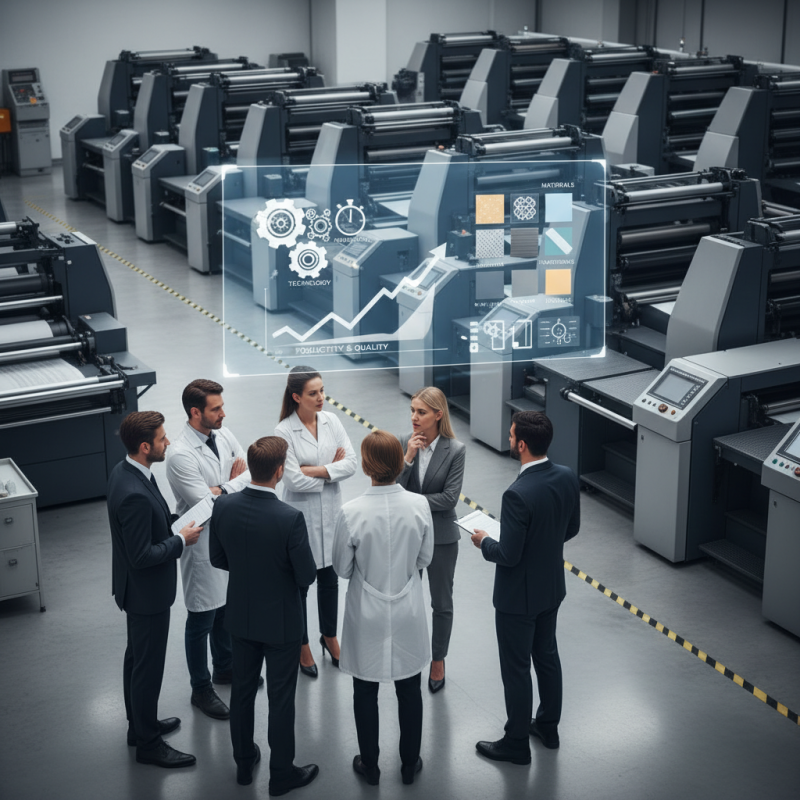
When considering the efficiency of printing machines, several key technical specifications play a vital role. Print speed is one major factor. Faster machines can boost productivity, allowing users to meet tight deadlines. However, speed shouldn't compromise quality. A balance is essential; a machine that sacrifices quality for speed can lead to wasted materials and increased costs.
Another important specification is print resolution. Higher DPI (dots per inch) numbers result in sharper and clearer images. Yet, producing high-resolution prints may slow down the machine's operation. Buyers need to assess their printing needs carefully. Will they prioritize clarity or speed? This decision often reflects their specific business demands.
Connectivity features also impact performance. Machines with advanced networking capabilities offer more flexibility. They can integrate with various devices and software for seamless workflow management. However, these features require regular updates and maintenance. Users must invest time and resources to keep everything running smoothly. In choosing a printing machine, understanding these specifications is crucial for achieving optimal performance.
Print speed and quality significantly influence buyer decision-making in the printing machine market. According to a recent industry report, 78% of buyers prioritize print speed when assessing machines. Faster printing reduces downtime and increases productivity, making it a critical factor for businesses. However, it's important to balance speed with quality. An impressive print speed can be rendered useless if the output lacks clarity or vibrancy.
Quality remains equally vital for buyers. Data shows that 65% of organizations are willing to pay more for superior print quality. This reflects a growing expectation for high-resolution output. Buyers often evaluate samples before purchasing to ensure that the machine meets their standards. Some may find it challenging to reconcile these two aspects. A rapid machine may compromise quality if not designed properly.
Tips for buyers: Assess your specific printing needs. Determine the volume and type of prints you regularly produce. Also, request samples to evaluate both speed and quality. Analyze the long-term costs versus benefits, as investing in a well-balanced machine can enhance overall satisfaction and reduce regrets. Remember, a machine that excels in both areas is essential for sustainable business growth.
Advancements in printing technology have significantly influenced machine performance. New developments focus on speed, quality, and energy consumption. For instance, digital printing now achieves speeds over 300 pages per minute. This contrasts sharply with traditional methods, which often lag behind, impacting productivity.
Energy-efficient technologies are increasingly important. Reports indicate that modern printers consume 30% less energy than older models. This reduction is crucial for businesses looking to cut costs and reduce their carbon footprint. Using less energy can also extend machine life, presenting a long-term benefit.
However, not all advancements translate smoothly into better performance. Complexity can lead to usability issues. Operators may find that with advanced features come steep learning curves. Training becomes necessary, and if overlooked, this can hinder performance. Additionally, the focus on speed sometimes compromises print quality, highlighting a balance that requires careful consideration.
When considering a printing machine, buyers often focus on the initial purchase price. However, the total cost of ownership can be overlooked. Operational expenses, including maintenance, ink, and energy, can significantly impact budget. Buyers need to evaluate their volume needs. A cheaper machine may lead to higher operational costs in the long run.
Durability and efficiency play critical roles in the cost equation. A reliable machine reduces downtime and maintenance fees. Consistent quality can also save money. Buyers should research and gather opinions from current users. Their insights can reveal hidden costs and long-term performance.
This balance is not always easy to achieve. Some buyers may prioritize short-term savings, leading to regret later. Others may invest heavily without considering ongoing costs. Reflecting on real-world usage is essential. A machine that fits within a buyer’s needs today might not be as economical tomorrow.
One of the critical aspects that affect the long-term performance of printing machines is proper maintenance and support. A 2021 industry report highlights that well-maintained machines can enhance print quality by up to 30%. Regular servicing prevents breakdowns and operational disruptions that could lead to costly downtime. Yet, many organizations overlook this aspect, exposing themselves to risks that could have been avoided.
The right support structure is equally vital. A survey conducted by an industry research firm found that 45% of printing businesses feel unprepared for technical challenges. Immediate access to expert assistance can minimize interruptions. Having a reliable support team can help troubleshoot issues, thus preserving the machine's effectiveness. Neglecting these factors can lead to performance dips, increasing the likelihood of unsatisfactory output.
Despite the obvious benefits, many operators do not prioritize routine checks. A striking 50% of printing companies reported incidents related to equipment failures. This statistic points to a need for a cultural shift within organizations. Embracing proactive maintenance and support strategies can significantly enhance the overall performance of printing machines. The cost of inaction can be higher than any maintenance budget.
: Print speed is a major factor impacting productivity and deadlines.
Higher DPI results in clearer images but can slow down operation.
Advanced networking allows better integration with devices and software.
Buyers should balance speed with quality to avoid wasted materials.
Around 78% of buyers prioritize print speed for efficiency and productivity.
Many organizations are willing to pay extra for superior print quality.
Operational costs can outweigh purchase price, impacting overall budget.
A reliable machine minimizes downtime and reduces maintenance fees.
Balancing short-term savings with potential long-term costs is complex.
Focusing solely on initial costs can lead to unforeseen ongoing expenses.
When considering what factors influence printing machine performance, several key aspects come into play. Technical specifications such as resolution, color accuracy, and hardware components significantly impact printing efficiency. Additionally, print speed and quality are crucial elements that buyers weigh when making purchasing decisions, as they directly affect production timelines and the quality of end products.
Further advancements in printing technology continue to enhance machine performance, introducing new capabilities that can streamline workflows and improve output. Buyers must also consider cost factors, striking a balance between initial purchase prices and ongoing operational expenses, which include ink, maintenance, and energy consumption. Lastly, maintenance and support services are vital for ensuring sustained performance, making them important considerations for buyers looking to maximize their investment in printing machinery.

Fusion Digital Print