The industrial landscape is rapidly changing. One of the most compelling shifts is why more factories are switching to digital printing. According to a recent Smithers report, the digital printing market is projected to grow at a CAGR of 13% over the next five years. This trend highlights the increasing importance of digital solutions in traditional manufacturing.
Digital printing offers factories a range of advantages that offset initial challenges. One key benefit is the reduction in setup times, allowing for smaller production runs and customization. This capability aligns with the rising demand for personalized products. A significant 60% of manufacturers noted improved efficiency after transitioning to digital printing, as revealed in a 2022 industry survey.
Yet, adopting digital printing is not without its complexities. Some factories face integration issues with existing workflows or require staff retraining. Despite these hurdles, the potential for cost savings and faster turnaround times drives many to reconsider their printing methods. The decision underscores a profound shift towards agility and innovation in manufacturing.
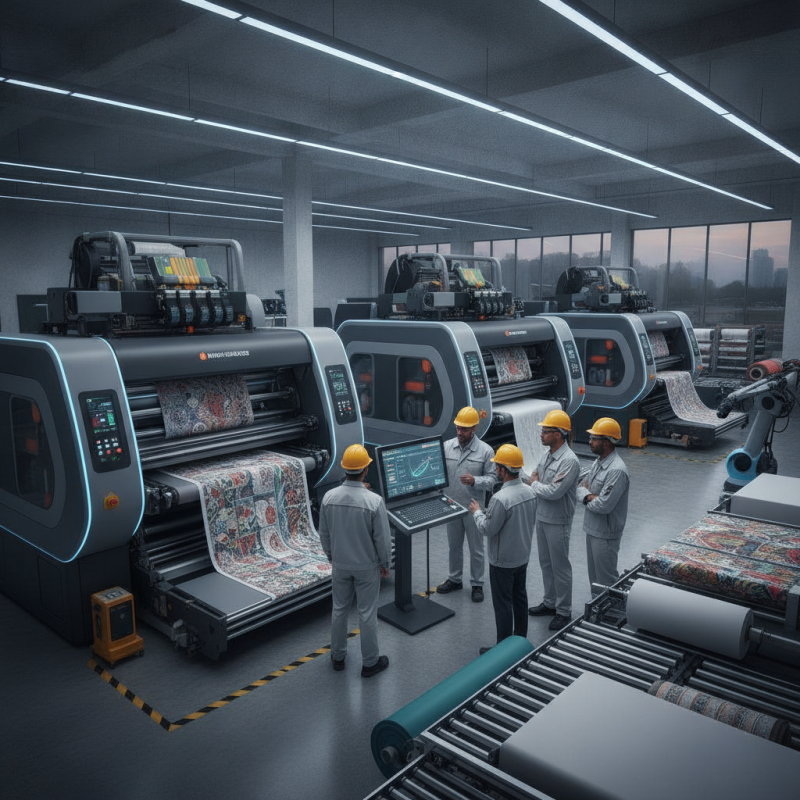
Digital printing is reshaping the landscape of manufacturing industries. As technology evolves, companies are increasingly utilizing this method for its efficiency and versatility. According to a recent industry report, digital printing can reduce waste by up to 30%. This efficiency attracts businesses aiming to minimize costs and environmental impact.
The rise in digital printing adoption stems from its ability to produce customized products quickly. Traditional printing methods often face long lead times and high setup costs. In contrast, digital printers can switch designs with ease, making small batch production feasible. A study from a leading research firm noted that 70% of manufacturers believe digital printing enhances their market competitiveness significantly.
**Tips:** Embrace digital integration to streamline production. Regularly assess your printing needs to avoid overproduction. Keeping up with technological advancements is crucial for staying relevant in this evolving landscape. Remember, while digital printing offers numerous benefits, it also requires ongoing learning and adaptation to ensure optimal use.
| Year | Percentage of Factories Using Digital Printing | Cost Reduction (%) | Lead Time Improvement (%) | Customization Flexibility (1-10) | Environmental Impact Reduction (%) |
|---|---|---|---|---|---|
| 2018 | 35% | 15% | 20% | 7 | 10% |
| 2019 | 45% | 20% | 25% | 8 | 15% |
| 2020 | 60% | 25% | 30% | 9 | 20% |
| 2021 | 75% | 30% | 35% | 9 | 30% |
| 2022 | 85% | 35% | 40% | 10 | 35% |
Digital printing is becoming increasingly popular among manufacturers for several reasons. One major advantage is its ability to produce high-quality prints quickly and efficiently. Unlike traditional printing methods, digital printing allows for short runs, reducing waste and saving time. Companies can quickly adapt designs as needed, which fosters creativity and innovation.
Tips for choosing digital printing: Consider your project’s scale. For small projects, digital printing often offers a more cost-effective solution. Evaluate the types of materials you want to print on. Digital printing works on various substrates, enhancing versatility.
Another benefit is customization. Digital printing allows for personalized designs and variations in each print, making it ideal for marketing materials. However, the quality can sometimes vary depending on the printer. Always test the output before finalizing large orders. Ensure you understand the specifications required for your projects to avoid surprises.
Don’t overlook the importance of software compatibility. Some printers may require specific design software. Explore all available printing options to find the best fit for your specific needs. Digital printing offers flexibility but requires attention to detail and planning.
The recent surge in digital printing adoption among factories can be attributed to several technological innovations. Industry reports indicate that the global digital printing market is projected to grow at a compound annual growth rate (CAGR) of 7.3% from 2021 to 2028. This growth highlights the increasing reliance on digital technologies in manufacturing processes.
One critical innovation is the development of advanced inkjet and laser technologies. These methods allow for faster production speeds and more precise image quality. For instance, manufacturers can achieve print resolutions exceeding 1200 dpi. This precision is essential for industries requiring intricate designs, such as textiles and packaging. Moreover, the shift towards direct printing techniques reduces lead times considerably, which is crucial for meeting client demands.
Another significant aspect is cost-efficiency. Digital printing minimizes material waste and energy consumption. A study found that digital processes can reduce waste by up to 30%. However, not all factories realize these benefits immediately. The initial investment in new digital printing equipment can be daunting. Many facilities face a learning curve when integrating these technologies, leading to potential inefficiencies during the transition phase. Reflecting on these challenges is vital for sustainable growth in the digital printing landscape.
Digital printing is gaining traction in the manufacturing sector, particularly due to its cost efficiency. A recent industry report indicates that digital printing reduces material waste by up to 30%. This lower waste translates directly into savings, encouraging many factories to adopt this technology. With traditional methods, every print run generates significant scrap, but digital processes allow for precise and on-demand production.
Sustainability is another compelling factor. The shift to digital printing aligns with growing environmental concerns. According to a study by the Smithers Group, digital printing requires up to 50% less energy compared to traditional printing methods. This decreased energy consumption also means reduced greenhouse gas emissions. Factories can enhance their sustainability profiles while lowering operational costs.
Despite these advantages, some challenges remain. Transitioning to digital technologies can involve significant upfront costs. Training staff and upgrading equipment need careful planning. Manufacturers must weigh the initial investment against long-term gains. The journey toward digital printing is fraught with complexities, but many factories view these hurdles as a necessary step toward a more efficient, sustainable future.
Digital printing technology is transforming factories. Many companies embrace it for efficiency and flexibility. A recent study shows that factories switching to digital printing have reduced production costs by 30%. This shift is driven by the demand for customization and shorter production runs.
Case studies highlight successful transitions. A textile factory implemented digital printing to personalize products. Within six months, they increased sales by 20%. Another case involved a packaging company that improved turnaround time by 50% using digital techniques. These examples show that digital printing opens doors to innovation and customer satisfaction.
Tips: Invest in staff training. Employees need knowledge to maximize digital technology. Collaborate with digital printing specialists for guidance. Don’t rush the transition; take time to evaluate your needs. Each factory’s situation is unique, and a thoughtful plan is essential. This approach minimizes errors and enhances outcomes.
: Digital printing offers efficiency, versatility, and customization. It reduces waste by up to 30%, saving costs.
Digital printing allows for quicker setups with shorter runs. It reduces lead times and waste compared to traditional methods.
Companies can enhance competitiveness and creativity. Digital printing allows for easy design changes and personalization.
Evaluate project scale and material types. Choose the right printer based on specific needs and software compatibility.
It uses up to 50% less energy than traditional methods, lowering emissions and material waste.
Yes, significant upfront costs and training staff are necessary. Planning is crucial for a smooth transition.
Typically, digital printing excels in small to medium runs. Large production may still require traditional methods.
Quality can vary by printer, so always test outputs before large orders. Understanding specifications is key.
Regularly assess printing needs, stay updated on technology, and avoid overproduction to ensure efficiency.
Attention to detail and planning are crucial for effective digital printing use. Continuous learning helps tackle evolving challenges.
The trend of why more factories are switching to digital printing is largely driven by the significant advantages it offers over traditional printing methods. Digital printing allows for more flexibility and customization, enabling manufacturers to meet specific demands quickly and efficiently. Key technological innovations, such as advanced inkjet technology and automated workflows, are facilitating this transition by increasing the speed and quality of production while reducing waste.
Furthermore, the cost efficiency and sustainability of digital printing practices have made them increasingly attractive to manufacturers. By minimizing material waste and energy consumption, digital printing aligns with modern sustainability goals, making it an ideal choice for progressive factories looking to enhance their operations. Case studies of successful transitions further illustrate the potential benefits, showcasing how factories can achieve improved productivity and lower operational costs through digital printing adoption.

Fusion Digital Print