In the competitive world of manufacturing, understanding how to improve print quality in production lines is essential. Print quality directly impacts product aesthetics and brand reputation. However, achieving high standards can often be challenging due to various factors, including machine calibration, ink choice, and environmental conditions.
When addressing print quality, many manufacturers overlook simple adjustments. Regular maintenance of printing equipment can significantly enhance output. Furthermore, selecting the right ink formulation is crucial; not all inks perform well under every condition. These choices can lead to inconsistencies that may degrade the overall quality of printed materials.
While striving for perfection, companies may encounter setbacks related to technology integration or workforce training. These challenges provide opportunities for growth and innovation. Thus, understanding how to improve print quality in production lines is not just about quick fixes; it requires a comprehensive view of the entire production process.
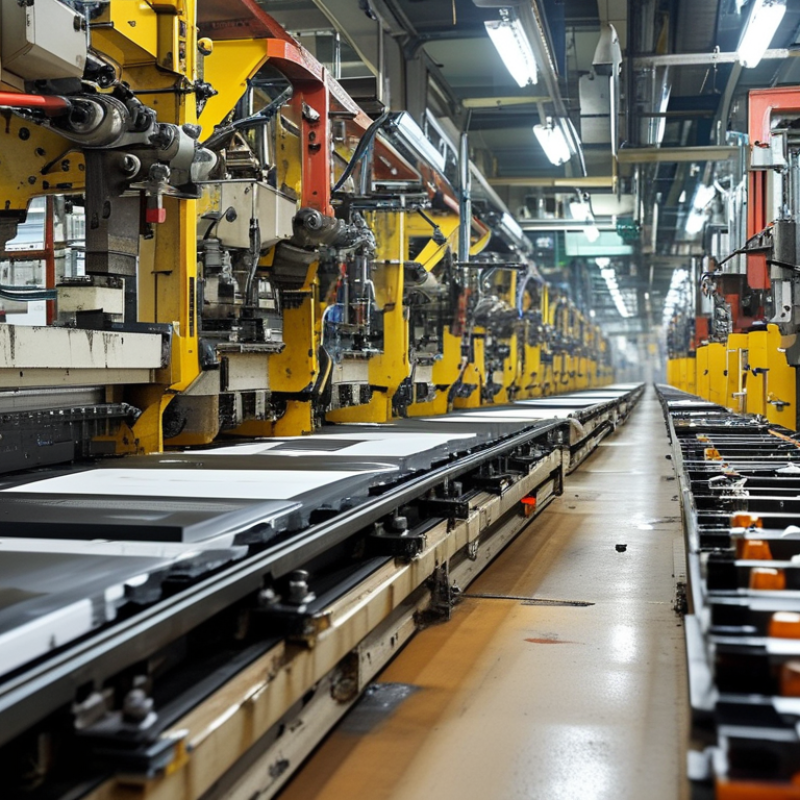
Understanding Print Quality Metrics in Production Settings
In a production setting, understanding print quality metrics is crucial. Metrics like color accuracy, registration, and resolution affect the final output. Regularly monitoring these parameters ensures any issues are addressed promptly. Quality control teams should be trained to evaluate and interpret these metrics accurately. Misinterpretation can lead to significant defects.
Tips: Invest in training programs for your staff. This increases their ability to recognize quality issues early. Engaging employees in the process fosters a sense of ownership, enhancing overall quality.
Monitoring environmental conditions also impacts print quality. Temperature and humidity can affect ink adhesion and drying times. Regular calibration of equipment is necessary to maintain consistent quality levels. Some setups may still experience unexpected discrepancies. It’s essential to continually analyze performance data to identify patterns and areas for improvement.
Tips: Schedule routine equipment checks. Keeping tools in top shape directly correlates with print outcomes. A simple checklist can help ensure no step is overlooked during production. Encourage an open culture for sharing feedback; it often leads to valuable insights.
Identifying Common Print Quality Issues on Production Lines
Print quality issues on production lines can greatly affect overall efficiency and product satisfaction. Common issues include smudging, poor color reproduction, and misregistration. These problems often arise from inadequate calibration, worn-out printing components, or low-quality inks. Identifying them early is crucial. Operators must be vigilant and regularly check print samples for anomalies.
Smudging may occur due to excessive ink application. Operators should monitor ink flow and adjust as necessary. Poor color reproduction might stem from incorrect printer settings or outdated color profiles. Regular updates and training sessions can help staff understand these technical aspects. Misregistration issues frequently happen when machines are not aligned correctly. Regular maintenance schedules can mitigate this.
While addressing these issues, it’s important to create an environment that encourages feedback. Employees should feel comfortable reporting inconsistencies. Relying solely on automated systems can lead to oversight. Engaging staff in quality control measures often uncovers hidden vulnerabilities. This reflection can lead to improved procedures and ultimately enhance print quality.
Production Line Print Quality Analysis
Implementing Advanced Printing Technologies for Quality Enhancement
Advanced printing technologies play a crucial role in enhancing print quality on production lines. They can significantly reduce errors and improve overall output. High-resolution printers, for instance, offer sharper images and crisper text. These machines also require precise calibrations. Regular adjustments ensure consistency, which can be overlooked in fast-paced environments.
Integration of machine learning algorithms can also optimize printing processes. These algorithms analyze patterns and predict potential issues. However, reliance on technology may introduce new challenges. If systems malfunction, the production line can halt, leading to downtime. Hence, regular maintenance is vital to keep everything running smoothly.
Furthermore, adopting digital workflows can streamline operations. Digital tools allow for real-time adjustments based on feedback. They enhance collaboration among teams but can also be complex to implement. Training staff is essential to maximize efficiency and adapt to new systems. Balancing innovation with practical concerns is key to achieving superior print quality. The journey to success involves continuous learning and adaptation.
Training Staff on Best Practices for Maintaining High Print Standards
Training staff effectively is crucial to maintaining high print standards on production lines. According to a recent industry report, poorly trained staff can lead to a 30% increase in print defects. This statistic underscores the importance of continuous education and training programs. By integrating hands-on workshops and online resources, companies can enhance their team’s skills. Frequent skill assessments ensure employees keep up with evolving print technologies and procedures.
Furthermore, regular training helps foster a culture of quality. Staff should be encouraged to share insights and report issues promptly. Engaging employees in the process not only boosts morale but also leads to significant improvements in print consistency. A survey indicated that teams with regular training sessions experienced a 25% reduction in mistakes. Addressing even minor errors can prevent larger issues and rework down the line.
Lastly, feedback loops are essential. Incorporating staff input on equipment and processes can highlight areas needing improvement, fostering a more proactive approach. Acknowledging that training is a continuous journey, rather than a one-time event, can result in sustained enhancement in print quality. The goal is to create an adaptable team ready for any challenges in production.
Utilizing Regular Maintenance and Calibration for Optimal Print Results
Regular maintenance and calibration are crucial for achieving optimal print results in production lines. Neglecting these practices can lead to diminished print quality. Dust and debris can accumulate on printing heads, causing inconsistencies. Regular cleaning schedules should be implemented to address this issue. A simple wipe with a lint-free cloth can make a significant difference.
Calibrating printers should occur frequently to ensure colors remain true and vibrant. This process involves checking and adjusting settings based on the media used. Misaligned calibration can lead to color discrepancies, frustrating operators and affecting output quality. It may feel tedious but investing time in this can prevent larger quality issues down the line.
Additionally, staff training on equipment use can enhance print quality. Many operators might overlook simple checks or adjustments due to lack of familiarity. Periodic training helps ensure everyone knows best practices. While perfect results are the goal, embracing minor flaws can narrow down areas needing improvement. Regular reviews of both processes and results allow teams to enhance efficiency continuously.
How to Enhance Print Quality on Production Lines Efficiently - Utilizing Regular Maintenance and Calibration for Optimal Print Results
| Dimension |
Details |
Frequency |
Impact on Print Quality |
| Printer Calibration |
Adjusts the alignment and color output of printers |
Monthly |
Improves color accuracy and reduces waste |
| Ink Cartridge Replacement |
Ensures that ink levels don’t drop too low |
After every 5,000 prints |
Prevents print artifacts and streaks |
| Print Head Cleaning |
Removes clogged nozzles that can affect print quality |
Weekly |
Enhances sharpness and detail in prints |
| Paper Quality Check |
Ensures correct paper type for optimal printing |
Daily |
Reduces paper jams and improves print finish |
| Software Updates |
Keeps drivers up to date for better compatibility |
Quarterly |
Can fix bugs and improve functionality |
Conclusion
To enhance print quality in production lines, it is essential to first understand the key metrics that define print quality in these settings. Common issues can arise, such as inconsistent ink distribution or misalignment, which necessitate timely identification to prevent rejects and downtime. Learning how to improve print quality in production lines involves implementing advanced printing technologies that allow for greater precision and control.
Furthermore, staff training on best practices for maintaining high print standards is crucial. This includes educating employees on techniques to monitor print quality continuously. Regular maintenance and calibration of printing equipment also play a vital role in ensuring optimal print results, thereby supporting overall operational efficiency and reducing wastage. By integrating these strategies, production lines can achieve significant advancements in their printing processes.

 Fusion Digital Print