In the manufacturing sector, maintaining industrial printing equipment is crucial. According to the "2023 Industry Report on Equipment Maintenance," improper upkeep can lead to a 15% reduction in productivity. Industrial printers are complex machines. Regular maintenance ensures they operate efficiently and consistently. Understanding how to maintain industrial printing equipment is essential for success.
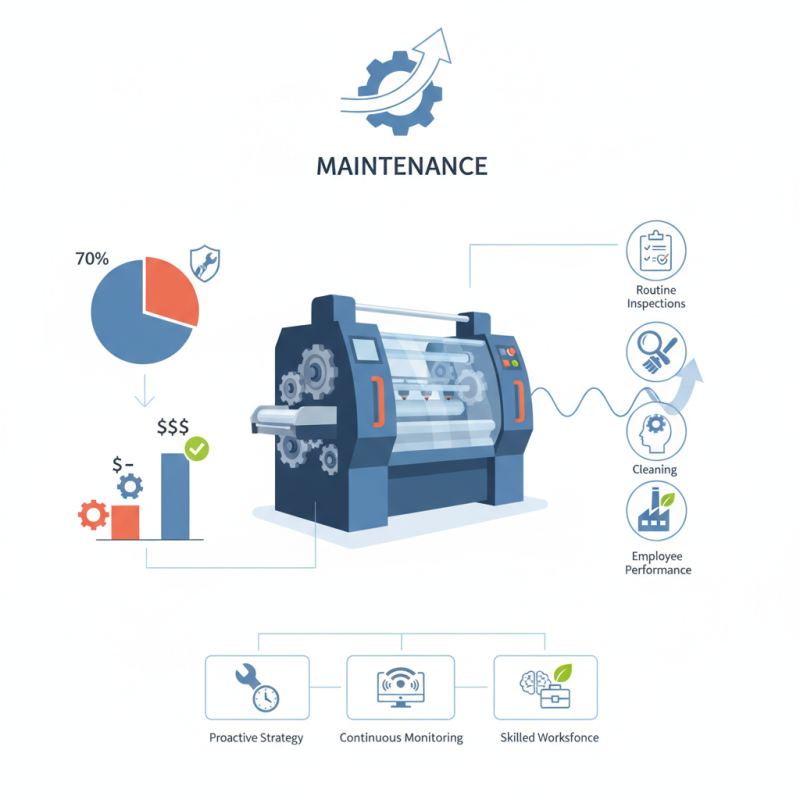
Data indicates that around 30% of machines face unexpected breakdowns due to neglect. Malfunctions not only disrupt production but also increase repair costs. Adopting a proactive maintenance strategy can mitigate these risks. Businesses should prioritize routine inspections and cleaning to enhance performance. Overlooking these practices can result in significant downtime.
Implementing an effective maintenance plan requires training and expertise. Continuous monitoring of equipment conditions is vital. Companies often overlook the importance of employee training in this process. A skilled workforce can identify issues early, leading to timely interventions. Balancing costs with effective maintenance strategies presents ongoing challenges, necessitating a deep understanding of specific equipment needs.
Understanding the components of industrial printing equipment is crucial for effective maintenance. These machines consist of various parts, including print heads, rollers, and ink delivery systems. A study by Smithers Pira highlights that over 30% of printing issues arise from inadequate maintenance of these components. Regular inspections can help identify wear and tear that often goes unnoticed.
Print heads, for instance, are vital for quality output. Blockages can occur if inks are left to dry. This not only impacts print quality but also leads to costly replacements. Keeping the ink delivery system clean is equally important. A dirty system can cause inconsistent color and increase downtime. Reports indicate that up to 25% of printing operational costs stem from equipment failures linked to overlooked maintenance.
With the rapid advancements in technology, operators need to stay updated. Training employees on maintenance best practices can greatly enhance operational efficiency. Yet, many facilities underestimate this aspect. Often, routine checks are skipped due to time constraints. Ignoring these checks can lead to bigger issues down the line.
A regular maintenance schedule is crucial for optimal performance of industrial printing equipment. Consistent checks can prevent costly downtime. Ensure that all machinery is inspected frequently. This practice not only extends the life of your equipment but also maintains print quality.
**Tip**: Create a checklist for daily, weekly, and monthly tasks. Include cleaning, lubrication, and calibration to keep everything running smoothly. Regular attention to smaller, routine tasks can avert larger problems.
Be aware that issues may arise unexpectedly. Even with a strict schedule, equipment can fail. It’s important to evaluate the effectiveness of your maintenance practices continuously. Reflect on which tasks are beneficial and identify areas needing improvement.
**Tip**: Document each maintenance session. This record will serve as a valuable resource for tracking performance trends and scheduling future upkeep. Regular documentation helps in identifying recurring issues that may require expert intervention.
Maintaining industrial printing equipment requires a keen understanding of common issues. Frequent problems include misalignment and paper jams. Regular inspection can help identify wear and tear before it escalates. For example, checking rollers and belts for damage should be part of routine maintenance. These small details matter significantly in avoiding costly downtime.
Troubleshooting techniques play a vital role in effective maintenance. For misalignment issues, recalibrating the printing head can often resolve the situation. Paper jams are typically caused by debris or worn parts. Cleaning the feed area regularly can help mitigate these problems. Sometimes, drivers need updating or reinstalling as they could be the source of errors. A thorough approach helps maintain productivity while minimizing disruptions.
It's important to document maintenance activities meticulously. This practice not only helps track issues over time but also supports identifying recurring problems. While techniques improve, occasional failures will occur. They remind us that even the best maintenance strategies need refining. Assessing past issues can lead to better solutions in the future.
Cleaning and maintaining industrial printing equipment is vital for efficiency and longevity. Regular care can improve print quality and reduce downtime. For instance, companies that implement a strict maintenance routine report a 20% increase in productivity, as stated by a recent industry study.
One effective tip is to vacuum printer interiors weekly. Dust and debris can hinder performance. Use a soft brush attachment to avoid scratching surfaces. Additionally, check for worn parts monthly. Replacing them promptly can prevent larger issues down the line. An estimated 15% of maintenance costs arise from neglected components.
Using the correct cleaning solutions is crucial. Water-based cleaners are often recommended for most equipment. They minimize residue build-up and are safer for technicians. Actively engaging staff in training on equipment care can yield a significant return on investment. Employees often overlook simple tasks that can prevent extensive repairs. Regular workshops can enhance their skills and awareness.
| Maintenance Task | Frequency | Recommended Tools | Notes |
|---|---|---|---|
| Clean Print Heads | Weekly | Cleaning solution, lint-free cloth | Prevent print quality degradation |
| Check Ink Levels | Daily | Visual inspection | Avoid running out of ink during jobs |
| Inspect Rollers | Monthly | Lubricant, inspection tools | Ensure smooth operation |
| Clean Exterior | Monthly | Mild detergent, water, microfiber cloth | Maintain equipment appearance |
| Software Updates | As Available | Computer with internet access | Enhance performance and features |
Upgrading and retrofitting industrial printing equipment is crucial for maintaining efficiency. Older machines may lack the speed and features seen in newer models. Retrofitting can enhance performance without the cost of purchasing new equipment. New parts can lead to better reliability and lower downtime.
Tips: Regularly assess the current equipment. Look for areas needing improvements. Small upgrades can make a significant impact.
Incorporating modern technology, such as automation features, boosts productivity. However, not every upgrade suits every machine. Research compatible upgrades carefully. Sometimes, outdated components may require more testing than newer parts.
Tips: Create a maintenance schedule. Document upgrades and their effects. This reflection may reveal what truly enhances performance. Always seek professional advice before major changes. This can prevent costly mistakes.
: It is essential for effective maintenance. Issues often arise from neglected parts like print heads and rollers.
They can identify unnoticed wear and tear, reducing downtime and maintenance costs significantly.
Keep them clean to prevent blockages. Dried inks can lead to costly replacements and poor print quality.
Many facilities skip routine checks due to time constraints, leading to larger issues later.
Vacuuming the interiors weekly is recommended to prevent performance hindrance from dust and debris.
Engaging staff in best practices can significantly improve maintenance and reduce extensive repair needs.
Water-based cleaners are preferred as they minimize residue and are safer for technicians.
Regular assessments can identify areas needing improvement. Small upgrades can greatly enhance performance.
Incorporating automation features can boost productivity, but compatibility with existing machines must be carefully researched.
Document the effects and create maintenance schedules. This reflection can highlight effective improvements.
Maintaining industrial printing equipment effectively is crucial for ensuring optimal performance and longevity. To achieve this, it is essential to understand the various components of the equipment and establish a regular maintenance schedule. This proactive approach helps in identifying common issues early on and applying appropriate troubleshooting techniques. Additionally, best practices for cleaning and care can significantly enhance the reliability of the equipment.
Upgrading and retrofitting existing machinery can also lead to improved efficiency, allowing businesses to stay competitive. Knowing how to maintain industrial printing equipment not only reduces the risk of unexpected downtime but also maximizes production capabilities, ultimately leading to cost savings and higher quality output. Implementing these strategies will contribute to the overall success of the printing operation.

Fusion Digital Print