As the printing industry evolves, the question arises: is digital printing cost effective for mass production? Experts like Dr. Emily Carter, a leading figure in print technology, emphasize the importance of this inquiry. She states, "Digital printing can offer unique advantages, but its true cost efficiency in mass production still needs careful evaluation."
In 2026, advances in technology may reshape our understanding of digital printing's role in mass production. Faster machines and improved inks promise to enhance both quality and speed. However, companies must consider the initial investment versus long-term savings. A deep analysis reveals that while digital printing reduces waste, it may not always be the most economical choice for larger runs.
The industry must reflect on various factors impacting cost efficiency. Quality control, turnaround time, and scalability affect the overall equation. Are businesses ready to adopt this technology fully, or do uncertainties remain? Addressing these questions is vital to determine if digital printing is truly cost effective for mass production.
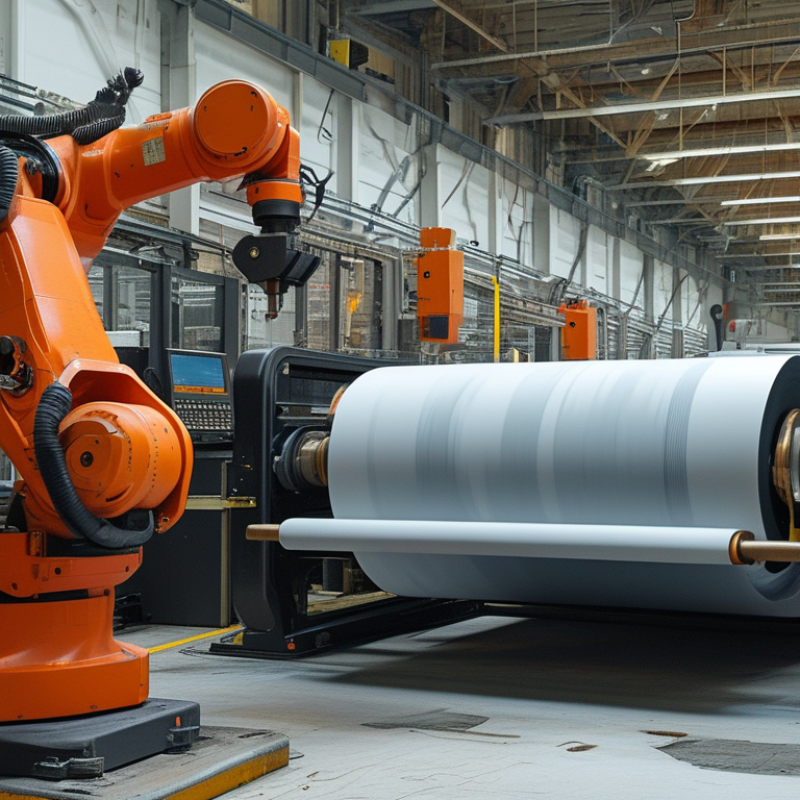
Overview of Digital Printing Technologies for Mass Production
Digital printing technologies are evolving rapidly, making them more viable for mass production. In recent years, the demand for high-quality prints at lower costs has surged. According to a report by Smithers Pira, the global digital printing market is expected to reach $29 billion by 2026. This indicates a growing acceptance of digital processes over traditional printing methods.
One significant advantage of digital printing is its ability to reduce setup times. Traditional methods often require extensive setups, which can lead to delays and higher costs. Digital printing allows for on-demand production, reducing waste and enabling customization. Reports indicate that 54% of companies are adopting digital solutions to meet shorter production runs effectively. This shift helps businesses stay competitive in a fast-paced market.
However, challenges remain. Color consistency and print durability can sometimes lag behind offset printing. Businesses need to carefully consider whether digital printing meets their quality standards before fully committing. Exploring hybrid models may provide solutions, blending the strengths of both digital and traditional methods. This nuanced approach is essential for companies looking to adapt to changing market dynamics.
Cost Comparison: Digital Printing vs Traditional Methods
Digital printing has gained traction as a competing method against traditional printing techniques. Traditional methods often require significant upfront costs for setup, including plates and large-scale equipment. This can make them less favorable for small runs or diverse projects. In contrast, digital printing often requires no setup fees. It allows for quick runs with minimal waste, making it appealing for niche markets.
However, there are limitations to consider. Digital printing may have a higher cost per unit for large volumes compared to traditional methods. Quality can also vary. Printing on different materials may yield inconsistent results. These aspects can affect strategic decisions about mass production.
When evaluating cost-effectiveness, it's crucial to assess project needs. For instance, personalizing prints with digital methods provides significant advantages in certain markets. Still, traditional methods may outperform in high-volume, consistent runs. This complexity requires careful analysis before choosing a printing method.
Factors Influencing Cost-Effectiveness in Digital Printing
In 2026, the cost-effectiveness of digital printing in mass production hinges on various influencing factors. One critical element is the scale of production. According to industry reports, large-scale digital printing operations may achieve a cost per unit that rivals traditional methods. In contrast, smaller runs can be significantly more expensive when using traditional printing due to setup costs. For instance, a study highlighted that digital printing can reduce waste by up to 30%, which translates to lower raw material costs over time.
Another important factor is the technological advancements in printing equipment. Innovations in ink formulations and printing speeds are enabling businesses to produce high-quality prints more efficiently. A recent analysis indicated that the latest digital presses could reduce production time by 40%, consequently lowering labor costs. However, companies must consider initial investments in technology. High upfront costs can create a barrier for smaller firms or startups, raising questions about immediate cost-effectiveness.
Furthermore, customization plays a significant role in determining overall costs. Digital printing excels in producing personalized prints at scale. A report from a leading market research firm noted that 70% of consumers value personalization. This demand could justify higher prices for digital prints, yet smaller runs still pose challenges, as economies of scale are not easily achieved. Balancing these factors is essential for businesses aiming to maximize profitability through digital production in the coming years.
Market Trends: Adoption of Digital Printing in 2026
In 2026, the digital printing market is experiencing significant growth. Adoption rates are rising, with projections suggesting a 25% increase in usage across various industries. According to a recent report by Smithers, the digital printing market is expected to reach $25 billion by 2026. This growth indicates a shift towards more efficient and flexible production methods.
Cost-effectiveness remains a crucial factor in this transition. Digital printing allows for on-demand production, which reduces waste and inventory costs. For instance, a study by Grand View Research found that businesses can save up to 30% on operational costs by switching from traditional printing methods. However, initial setup costs for digital printers can be a barrier, especially for small businesses. Reflecting on this, companies must evaluate whether the long-term savings justify the upfront investment.
Moreover, market trends show a growing preference for personalized products. Customers now seek customization, driving demand for digital solutions. While this trend offers opportunities, it also challenges producers to adapt quickly. The need for rapid turnaround and quality assurance can strain resources. Businesses may need to reconsider workflow processes to maintain efficiency while meeting consumer expectations. This evolving landscape highlights a complex interplay between technology, cost, and market demand.
Is Digital Printing Cost Effective for Mass Production in 2026 - Market Trends
| Application |
Market Share (%) |
Cost Per Unit (USD) |
Expected Growth Rate (%) |
| Packaging |
30 |
0.50 |
10 |
| Textiles |
25 |
1.20 |
8 |
| Labels |
20 |
0.30 |
12 |
| Books & Documents |
15 |
1.00 |
7 |
| Commercial Printing |
10 |
2.50 |
6 |
Case Studies: Successful Implementations of Digital Printing in Industry
In recent years, digital printing has rapidly evolved. Its applications in mass production are increasingly impressive. A notable case is the fashion industry, where brands are adopting digital techniques for short runs. According to a 2023 report from Smithers Pira, digital printing can reduce production times by up to 50%. This allows brands to respond to trends more quickly.
Another noteworthy example can be found in packaging. Companies are leveraging digital printing for personalized packaging solutions. Reports indicate that brands see a 20% increase in customer engagement through personalized products. However, the technology also requires significant upfront investment and expertise.
Moreover, challenges remain in quality consistency. Issues like color matching can arise as materials and printers vary. As noted in industry surveys, 30% of companies reported difficulties with meeting quality standards in digital prints. This highlights the need for continuous evaluation and adjustment in digital printing processes.
FAQS
: Digital printing reduces setup times compared to traditional methods. This leads to faster production and lower costs.
Yes, color consistency and print durability can sometimes fall short of offset printing standards.
Digital printing often has no setup fees but may cost more per unit for large runs than traditional methods.
Companies need to evaluate their project needs, considering volume and customization requirements.
Yes, the digital printing market is projected to grow significantly by 2026, indicating a shift towards more efficient methods.
Demand for customization creates opportunities but also challenges for quick turnaround and quality assurance.
Initially high setup costs may be a barrier, requiring careful evaluation of long-term savings versus investments.
On-demand production reduces waste and lowers inventory costs, enhancing overall efficiency.
Companies may need to rethink workflows to meet consumer demand for rapid production and quality.
Yes, hybrid models can combine strengths of digital and traditional methods, offering more flexibility in production.
Conclusion
In examining the question of "is digital printing cost effective for mass production" in 2026, it's essential to explore various dimensions of digital printing technologies tailored for high-volume production. The article outlines a cost comparison between digital printing and traditional methods, highlighting areas where digital processes may offer savings through reduced setup times and less waste.
Moreover, it delves into factors that influence the cost-effectiveness of digital printing, including print speed, materials used, and specific application needs. The growing market trends indicate a significant adoption of digital printing technologies, driven by the demand for personalization and shorter production runs. Case studies illustrate successful implementations in diverse industries, showcasing how digital printing can achieve both efficiency and quality at scale, ultimately reinforcing its viability for mass production in the near future.

 Fusion Digital Print