In the vibrant industry of screen printing, challenges frequently arise. Experts often explore "what are common problems in screen printing." John Smith, a leading figure in the field, highlights, “Even the best suppliers can face unexpected issues during production.” This insight underscores the complexity of the process.
Screen printing involves intricate techniques that require precision. Issues such as ink consistency and misalignment can create significant setbacks. Moreover, lack of communication between designers and printers may lead to errors. These problems can tarnish the reputation of suppliers aiming for excellence.
Understanding these challenges is crucial for both suppliers and clients. Missteps can impact timelines and costs. Recognizing common pitfalls enables proactive measures. It’s essential for businesses to learn from these experiences. Continuous improvement is a journey filled with trial and error. Addressing these concerns builds trust and ensures quality in screen printing endeavors.
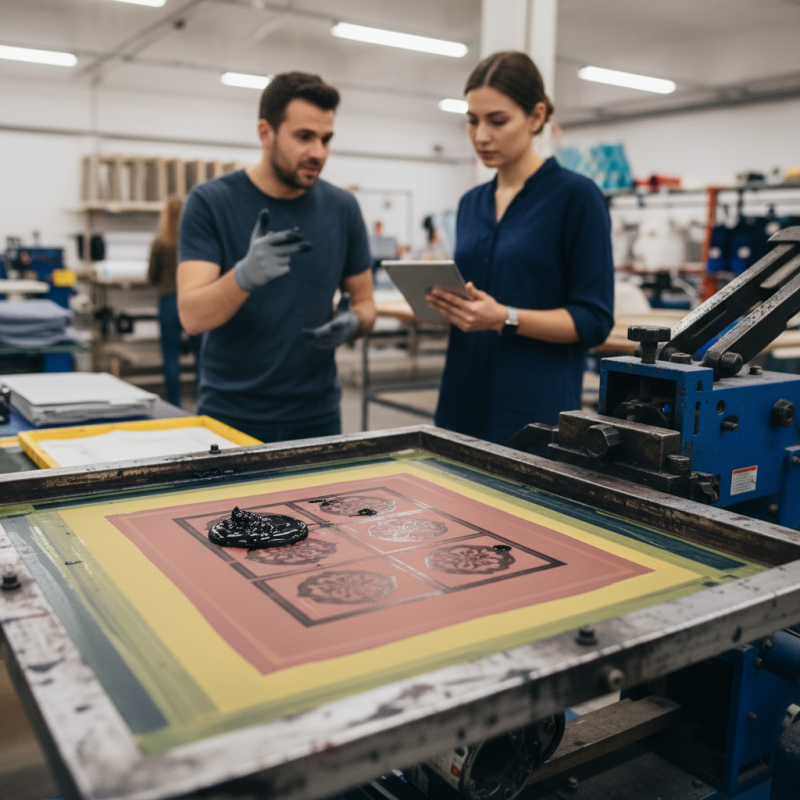
Screen printing is a crucial manufacturing technology in China. This method is widely used for creating vibrant designs on fabrics, plastics, and even metal surfaces. According to a report by Smithers Pira, the global screen printing market is projected to reach $6.3 billion by 2026. This highlights the importance and growth potential within the industry.
However, the process is not without challenges. Common issues include inadequate ink adhesion, misalignment of screens, and inconsistent prints. These problems can affect quality and lead to waste. For instance, a study by the Specialty Graphic Imaging Association noted that more than 20% of printed products are either defective or unsatisfactory. Addressing these challenges requires experience and expertise, ensuring that suppliers maintain high standards.
Moreover, understanding the basic principles of screen printing is vital. Proper mesh selection, ink types, and curing methods play a significant role in achieving optimal results. Each factor can significantly influence the final product's quality. Suppliers must continuously adapt and learn to overcome obstacles. Emphasis on training and quality control can lead to better outcomes in this competitive market.
| Issue | Description | Causes | Solutions |
|---|---|---|---|
| Ink Smudging | Unable to achieve clean lines due to ink smearing. | Improper ink consistency, inadequate curing time. | Adjust ink viscosity and ensure proper curing. |
| Color Bleeding | Colors running into each other, leading to muddied designs. | Incompatible inks or poor mesh selection. | Use compatible inks and ensure correct mesh count. |
| Inconsistent Print Quality | Variations in printed images across shirts. | Uneven ink distribution, improper squeegee pressure. | Check squeegee pressure and ensure even ink coverage. |
| Registration Issues | Misalignment of colors in multi-color prints. | Poor setup and alignment of screens. | Use a registration system and double-check alignment. |
| Screen Clogging | Blockages in the screen mesh affecting print flow. | Improper cleaning methods or using thick inks. | Regular cleaning and use of appropriate ink consistency. |
: Screen printing is a method used to create designs on various surfaces like fabric and metal.
It is crucial due to its role in manufacturing and is expected to grow significantly by 2026.
Common challenges include ink adhesion issues and misalignment of screens affecting product quality.
Inconsistent ink quality can lead to defects, causing customer dissatisfaction and increased reprints.
Inadequate drying processes for inks account for significant production delays, impacting delivery schedules.
Suppliers should analyze their processes to minimize excess ink and misprints, benefiting both cost and sustainability.
Ongoing training helps suppliers adapt and improve quality, addressing challenges in a competitive market.
Good ink adhesion is vital; poor adhesion can lead to substandard prints and material waste.
Investing in technology can enhance efficiency, but costs must be managed carefully.
Quality training can significantly improve outcomes, but not all suppliers prioritize it consistently.
Screen printing is a crucial technique in the manufacturing process, especially within China, where it plays a significant role in various industries. However, suppliers often encounter challenges that can hinder the efficiency and output quality of their screen printing operations. Understanding these issues is essential; thus, a central question arises: what are common problems in screen printing? These include misalignment of designs, inconsistent ink quality, and issues with drying times.
To effectively address these challenges, suppliers can implement targeted solutions such as regular equipment maintenance and adopting advanced printing technologies. Quality control measures, including thorough testing of inks and proper training for staff, further ensure the reliability of the printing process. Additionally, staying updated with emerging trends in screen printing can help suppliers navigate traditional problems, ultimately leading to improved production and client satisfaction.

 Fusion Digital Print