In the evolving landscape of manufacturing, the significance of the Automatic Pad Printer cannot be overstated. Leading industry expert, Dr. Alan Xu, once stated, "In today’s competitive market, precision and efficiency through technology are vital." This remark holds true as businesses seek to enhance production standards.
When considering a purchase of an Automatic Pad Printer, potential buyers must carefully analyze their specific needs. Are you looking for versatility, speed, or precision? Each printer offers various features, and the right choice can greatly affect operational efficiency.
However, customers often overlook maintenance requirements. They may find themselves overwhelmed by the printer's complexity or the costs of downtime. Understanding the machine's upkeep is just as crucial as recognizing its capabilities. Investing in an Automatic Pad Printer is not solely about upfront costs; it requires foresight and reflection on long-term efficiency and service.
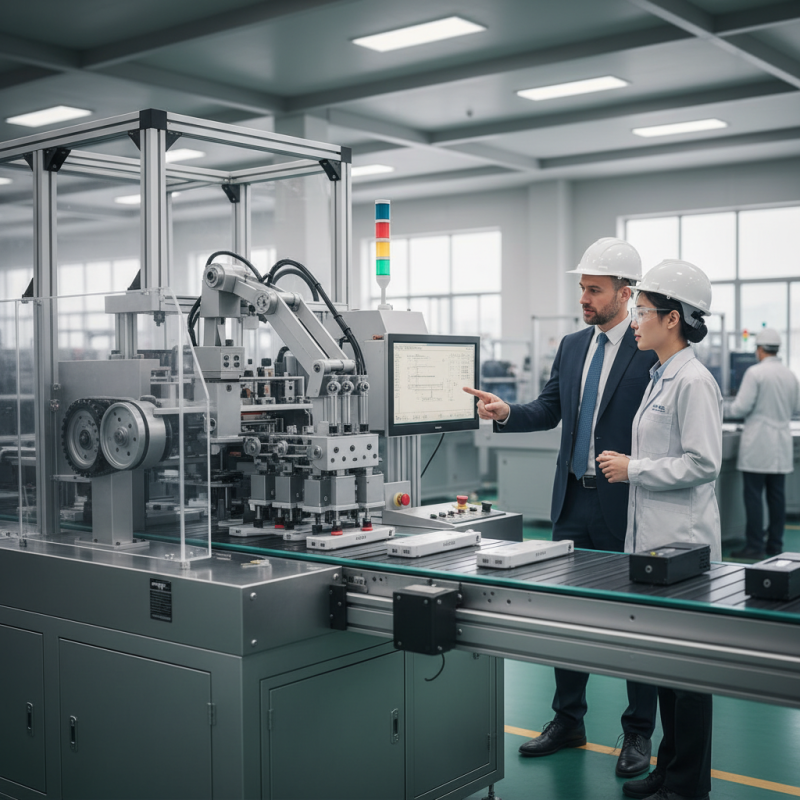
Automatic pad printers are essential tools in modern manufacturing. In China, they are widely used across many industries. These printers transfer ink onto various surfaces. They can print on flat or curved items. The process is efficient and can produce high-quality results.
When choosing an automatic pad printer, buyers should consider multiple factors. The printing speed and setup are crucial. It’s important to evaluate equipment durability. Maintenance is often overlooked but is essential for long-term performance. Some users may find the calibration process complex. Training for staff is necessary, which can increase costs.
Potential buyers should also reflect on their specific needs. Each application may require different settings. It’s advisable to assess the intended production volume. Discussing with engineers can reveal hidden requirements. The available space for the equipment is another aspect to think about. Balancing needs and budget is not always straightforward.
When choosing a pad printer, consider key features carefully. One critical aspect is the printing speed. A faster printer can increase productivity but may sacrifice precision. Balance between speed and quality is essential. Look for machines that can handle various printing sizes. This flexibility is beneficial for diverse projects.
Next, evaluate the printing technology used. Different technologies offer unique advantages. Some may excel in detail, while others are designed for speed. It’s vital to assess what suits your needs best. Also, pay attention to the ease of operation. A complex interface can lead to errors. Simplicity can save time and reduce troubleshooting.
Finally, consider the maintenance requirements. Some printers demand regular servicing, which could disrupt workflow. Opt for models that are user-friendly and have lower upkeep. These features can significantly impact long-term efficiency. Remember, the right choices today can enhance your printing process tomorrow.
| Feature | Importance | Recommended Value |
|---|---|---|
| Printing Speed | High | 1,000-3,000 pcs/hour |
| Max Print Area | Medium | 200x300 mm |
| Ink Types Supported | High | Solvent, UV, and Eco-friendly |
| Automation Level | High | Fully automated |
| Ease of Use | Medium | User-friendly interface |
| Maintenance Requirements | High | Regular cleaning intervals |
When exploring pad printers in China, understanding the leading manufacturers is crucial. The industry has seen a significant surge in demand, with projections indicating a growth rate of over 5% annually. This growth is fueled by increasing applications across sectors like packaging, electronics, and textiles. Many top manufacturers are continuously innovating their technology to meet these diverse needs.
A significant aspect of choosing a pad printer is recognizing the different levels of quality among brands. Industry reports suggest that around 30% of buyers face challenges related to equipment reliability. Some manufacturers may offer competitive pricing but compromise on quality. Buyers must consider not only upfront costs but also long-term operational efficiency. Evaluating customer reviews and case studies can provide insights into a manufacturer's reliability.
Training and support are often overlooked but are critical components of the purchasing process. Reports indicate that 25% of users regret their equipment choices due to insufficient post-sale support. Ensuring that your chosen manufacturer provides comprehensive training and responsive technical assistance can greatly enhance user experience and satisfaction. Attention to these details might reveal underlying issues with certain brands that warrant careful deliberation.
When sourcing pad printers, it's crucial to understand the basics of effective purchasing. Research shows that the global pad printing market reached $2.07 billion in 2022. This number is expected to grow significantly by 2027. Knowing where to look for reliable suppliers can make a difference.
Focus on suppliers with proven track records. Ask for their product portfolios and service reviews. A good reputation is vital. You may also want to attend trade shows or online webinars. This will help you see the machines in action. Engaging directly with manufacturers can reveal more about their capabilities.
Consider the technology behind the printers. Look for options that ensure precision and efficiency. Inspect the ink types and curing methods. Different materials require different ink properties. It can be tricky to find the right match. Make sure to ask questions during your research. Neglecting these details can lead to costly mistakes. Your choice of printer will impact production quality and cost. Always weigh options carefully.
When purchasing an automatic pad printer, after-sales service is a crucial consideration. A survey from the Printing Industries of America indicates that 70% of buyers prioritize support services. This underscores the importance of reliable after-sales options. If issues arise, immediate support can mean the difference between a thriving business and significant downtime.
Many buyers overlook the need for comprehensive training and technical support. A report from Smithers Pira highlights that 30% of malfunction issues stem from operator error. Therefore, robust training programs offered by suppliers can mitigate these risks effectively. Buyers should also assess the availability of spare parts. Delays in obtaining essential components can lead to prolonged operational interruptions.
Support systems should also include regular maintenance checks. According to a study by Grand View Research, proper maintenance can extend machinery life by 40%. Thus, understanding a supplier's service contracts is key. Clarity on fees, response times, and support availability can greatly impact future costs and machine reliability. It is essential to engage suppliers in discussions about their after-sales offerings before making a decision.
: Consider printing speed and quality balance. A faster printer might lower precision.
Different technologies focus on details or speed. Assess what fits your needs best.
Look for a user-friendly interface. A complex design can lead to operator errors.
Some printers need regular servicing. Choose models with lower maintenance requirements.
Reliable service can reduce downtime. Quick support is essential for business efficiency.
Many malfunctions come from operator mistakes. Comprehensive training can reduce these issues.
Delays in parts can halt operations. Ensure your supplier has a good supply chain.
Proper maintenance can extend machine life significantly, by about 40%.
Understanding fees and response times is vital. It affects future costs and reliability.
Yes, complicated controls can lead to errors. Simpler interfaces often save time.
The "China Top Automatic Pad Printer Buyers Guide and Tips" provides a comprehensive overview of automatic pad printers available in the Chinese market. It highlights key features that potential buyers should consider when selecting a pad printer, including print quality, speed, and versatility. The guide also emphasizes the importance of understanding various brands and manufacturers to make an informed choice.
Additionally, it offers practical tips for effectively sourcing pad printers, ensuring that buyers can navigate the market efficiently. After-sales service and support are also discussed, underscoring their significance in maintaining printer performance and customer satisfaction. This guide serves as an essential resource for anyone looking to invest in an automatic pad printer, providing critical insights into features, brands, and purchasing strategies.

Fusion Digital Print