Understanding how to calculate printing production costs is essential for any print business. According to a recent industry report by Smithers Pira, 75% of print companies struggle with accurately tracking costs. This impacts profitability and overall business success. Estimating production costs involves various factors, including materials, labor, and overhead. Each element requires scrutiny to ensure affordability without sacrificing quality.
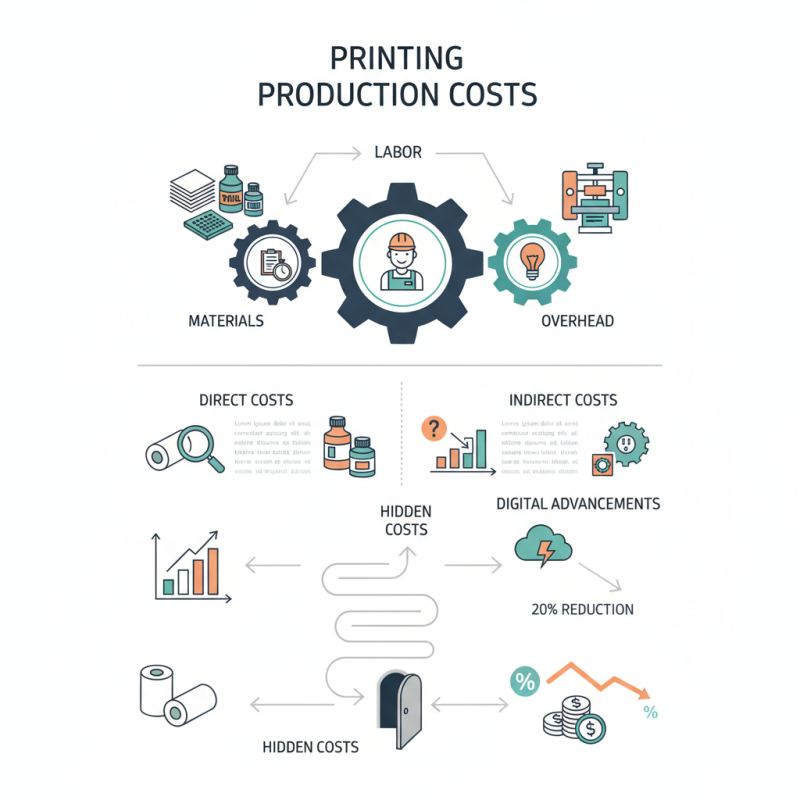
When evaluating these costs, businesses should consider both direct and indirect expenses. Direct costs are materials like paper and ink, while indirect costs can include utilities and equipment depreciation. A well-structured cost analysis can often reveal areas for improvement. However, many companies overlook hidden costs, which can lead to inaccurate pricing and decreased margins.
Moreover, the printing industry is evolving. Digital advancements are reshaping production processes and cost structures. A study by the Printing Industries of America found that companies embracing new technologies saw a 20% reduction in production costs on average. As the landscape changes, continuously reassessing how to calculate printing production costs becomes crucial for maintaining competitiveness.
Understanding the Components of Printing Production Costs
Calculating printing production costs requires understanding its components. Different factors contribute to the overall cost. The most significant elements are materials, labor, and equipment expenses.
Materials cover ink, paper, and any other substrates. Selecting quality materials can elevate costs but ensures better output. Labor expenses depend on the expertise level of your team. Hiring skilled workers may seem costly but can enhance production efficiency. Evaluate how much labor time is actually needed.
Equipment costs often vary based on technology and maintenance. Older machines may require more repairs, adding hidden expenses. Consider how often you need upgrades. Each of these components impacts your budget. Calculating accurately helps determine overall profitability. It's vital to revisit these calculations periodically, as prices and needs change.
How to Calculate Printing Production Costs for Your Business? - Understanding the Components of Printing Production Costs
| Component |
Description |
Estimated Cost ($) |
| Materials |
Paper, ink, and other materials used in printing |
500 |
| Labor |
Wages for press operators and other staff |
300 |
| Overhead |
Utilities, rent, and equipment maintenance |
200 |
| Shipping |
Cost to deliver finished products to clients |
150 |
| Marketing |
Expenses associated with promoting printed materials |
100 |
| Total Cost |
Sum of all production costs |
1350 |
Determining Fixed and Variable Costs in Printing
When calculating printing production costs, understanding fixed and variable costs is crucial. Fixed costs remain constant regardless of the production volume. This includes expenses such as rent, salaries, and machinery depreciation. Even if you do not print a single page, these costs remain.
Variable costs fluctuate with the level of production. They include paper, ink, and maintenance supplies. More printing leads to higher costs in these areas. It’s important to track these expenses closely. For instance, if you increase production, your paper and ink costs rise significantly. Keep an eye on how these costs impact your overall budget.
Balancing fixed and variable costs can be challenging. If your production fluctuates often, calculating accurate costs is even harder. You may find that fixed costs can be a burden during low production periods. Reflecting on past expenses can provide insight into future budgeting. Always aim for an accurate and comprehensive understanding of your costs.
Calculating Material Costs: Paper, Ink, and Other Supplies
Calculating material costs is essential for any printing business. Among these, paper and ink are the primary expenses. In 2022, the average cost of paper rose by 12% due to supply chain disruptions. This trend impacts not just large firms but small businesses as well. Depending on the type of paper, costs can vary. Recycled paper usually offers a more cost-effective option, with prices averaging 10% lower than virgin paper.
Ink is another significant variable in production costs. Reports indicate that ink prices have seen fluctuations of up to 8% year over year. Choosing quality ink can reduce usage, which may seem counterintuitive at higher initial costs. For instance, using a premium ink may decrease wastage during printing, ultimately providing savings. Additionally, consider other supplies, such as plates and coatings. These can account for 15% of total material costs. Evaluating options regularly helps in making informed choices.
Reflecting on these figures prompts a necessary dialogue about budgeting. Many businesses overlook minor supplies, which gradually increase expenses. Tracking every item meticulously may seem tedious, but it pays off in the long run. Understanding these aspects improves overall cost management and enhances profitability.
Estimating Labor Costs in Printing Production
Estimating labor costs in printing production is crucial for accurate budgeting. Labor involves various roles, including press operators, designers, and finishers. Each position has different skill sets and wage rates. How you calculate these costs can significantly impact your overall printing expenses.
To start, consider the hours worked by each employee. Track the time they spend on specific tasks. This can help in identifying areas where efficiency may improve. Sometimes, workers may take longer than expected on certain jobs. Re-evaluating their processes can lead to better time management and, eventually, cost savings.
Additionally, think about the impact of overtime. It can raise your labor costs significantly. While it may be necessary during busy seasons, over-reliance on overtime indicates deeper workflow issues.
Balancing staffing levels with demand not only controls costs but also enhances employee satisfaction.
Keep in mind, skilled labor often leads to higher quality results, which can ultimately justify higher labor costs in the long run.
Incorporating Overhead and Profit Margins into Cost Calculations
When calculating printing production costs, incorporating overhead and profit margins is crucial. Overhead includes fixed expenses like rent, utilities, and equipment maintenance. These costs often go unnoticed, but they significantly impact overall profitability. Consider tracking these expenses monthly. Doing so can reveal patterns and help in forecasting production costs more accurately.
Profit margins should reflect the value of your business. Establishing a healthy margin is essential for sustainability. Aim for margins that cover both your overhead and leave room for growth. If margins are too low, revisit your pricing strategy. Examine if you can reduce some overhead costs as well. Even slight adjustments can lead to improved profitability.
It's important to stay flexible. Reassess your cost structure regularly. Changes in material prices or labor can affect your calculations. Mistakes in estimating costs can lead to financial strain. Don't shy away from adjusting your formulas as needed. Continuous reflection and adjustment enhance accuracy and ensure your business remains competitive.
Printing Production Costs Breakdown
FAQS
: Fixed costs remain constant, regardless of production volume. They include rent, salaries, and machinery depreciation.
Fixed costs typically do not change with production levels. They remain constant, even if no pages are printed.
Variable costs fluctuate with production levels. They consist of expenses like paper, ink, and maintenance supplies.
Variable costs can rise significantly with increased production. Close monitoring is essential to manage overall budget impact.
Accurate labor cost estimation is vital for budgeting. Different roles have varied skill sets and wage rates, affecting total costs.
Tracking time spent on tasks can highlight inefficiencies. It helps identify areas for improvement in workflow.
Overtime can significantly increase labor costs. Frequent reliance on it may indicate underlying workflow issues.
Balancing staffing with demand controls costs and improves employee satisfaction. Skilled labor ensures better quality results.
Yes, reflecting on past expenses can provide valuable insights for future budgeting decisions. Understanding costs promotes better planning.
Fluctuating production levels complicate cost calculations. Accurate tracking and historical insights can help navigate these challenges.
Conclusion
To understand how to calculate printing production costs for your business, it’s crucial to break down the various components involved. Initially, one must identify both fixed and variable costs associated with printing. Fixed costs may include equipment and premises, while variable costs fluctuate with production volume, such as paper and ink.
Material costs are foundational, consisting of essential supplies, and should be accurately estimated to avoid unexpected expenses. Additionally, labor costs play a significant role in production; accounting for all workers involved is necessary for an accurate cost assessment. Finally, incorporating overhead and determining appropriate profit margins ensures a sustainable pricing strategy. By comprehensively understanding these elements, businesses can effectively manage their printing production costs and improve profitability.

 Fusion Digital Print