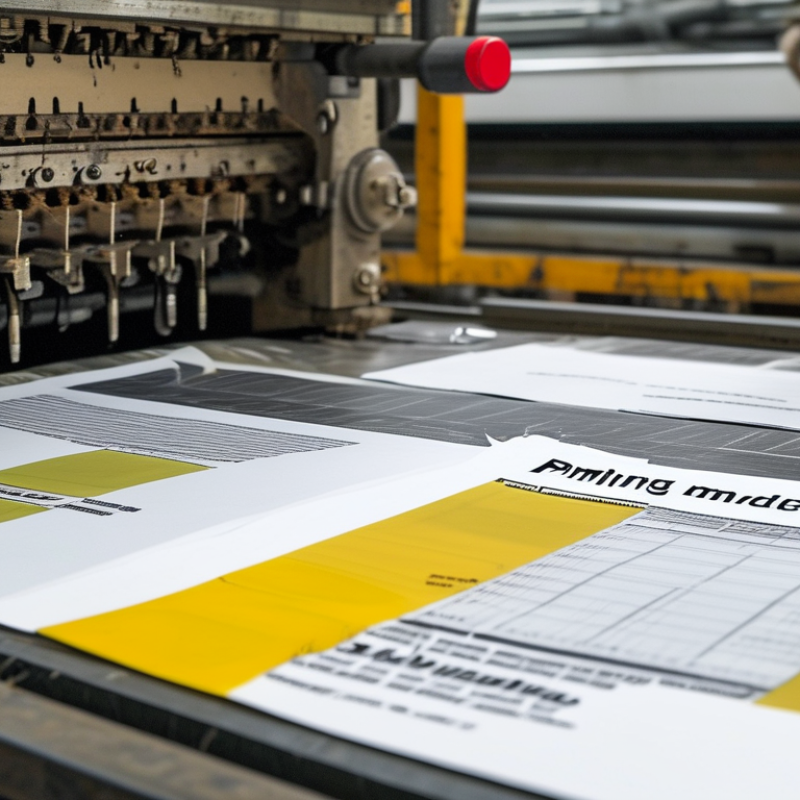
In today's printing manufacturing industry, reducing waste is crucial. Experts emphasize the importance of efficiency. John Smith, a leading authority in sustainable printing, once stated, "Eliminating waste isn't just an option; it's a necessity." His insights highlight the urgency of addressing this issue.
For companies aiming to improve their practices, understanding how to reduce waste in printing manufacturing is vital. Exploring innovative technologies and materials can lead to significant reductions in waste. Additionally, implementing smarter processes can enhance productivity while minimizing environmental impact.
However, not all solutions are straightforward. Companies may face challenges in adopting new methods. Sometimes, traditional practices prove difficult to change. Current industry standards may create barriers to progress. Still, the pursuit of waste reduction remains essential for a sustainable future in printing.
Sustainable printing practices are essential for reducing waste in the printing manufacturing industry. Recent reports indicate that the printing sector generates approximately 6 million tons of waste annually. Implementing sustainable strategies can significantly minimize this impact.
One effective approach is to adopt digital printing technologies. These methods produce less waste compared to traditional processes. For example, digital printing can eliminate the need for physical plates, reducing material waste by 30%. Additionally, optimizing paper usage by recycling can lead to a circular economy model. Studies show that recycled paper reduces energy consumption by up to 60% when compared to virgin paper production.
Another critical strategy involves using eco-friendly inks and materials. Conventional inks often contain hazardous chemicals. In contrast, sustainable inks made from natural sources are safer and more environmentally friendly. However, transitioning to these materials requires careful assessment. There can be inconsistencies in color quality, which might lead to premium costs. Each step toward sustainability should be evaluated critically to ensure it aligns with business objectives while minimizing waste.
In recently published industry reports, it was noted that the printing sector generates up to 10% of global waste. To tackle this issue, innovative technologies are emerging. Print on demand (POD) systems allow manufacturers to produce only what is needed, drastically reducing overproduction. POD has shown potential to cut waste by up to 30%.
Another key advancement is the integration of digital printing technologies. Unlike traditional methods, digital printing eliminates the use of plates, which reduces both material waste and energy consumption. Reports suggest that using digital processes can decrease waste by as much as 50%. Smart sensors in printers also monitor ink usage closely, minimizing spillage and optimizing resource use.
Recycling and reusing materials play a crucial role. Providing options for recycled substrates can lower waste rates. However, many companies are yet to fully implement such practices. A study indicated that only 35% of printing businesses actively recycle waste materials. This gap highlights the need for greater emphasis on sustainable practices in the industry to truly minimize environmental impact.
In today’s printing manufacturing landscape, optimizing processes can significantly reduce resource consumption. Efficient layout design is essential. It minimizes waste by organizing materials strategically for each print run. A compact layout means less time spent in machine setups and clean-ups.
Investing in advanced printing technologies also proves beneficial. Digital technologies reduce excess ink and paper waste. They provide precise control over printing conditions. However, transitioning to digital methods can demand upfront capital and training investment, which some companies hesitate to take.
Continuous monitoring of supply chains can reveal inefficiencies. Connecting with suppliers who prioritize sustainable practices is crucial. Transparency in sourcing can lead to better decision-making. Although companies may encounter challenges in finding reliable partners, the long-term environmental benefits can be substantial. Managers must continually assess processes, acknowledging that finding the right balance in resource usage is an ongoing journey.
The adoption of a circular economy in printing manufacturing encourages sustainable practices that reduce waste significantly. Emphasizing resource recovery, companies can rethink their materials and processes. For example, recycled paper and eco-friendly inks help minimize environmental impact. This shift allows manufacturers to lessen reliance on virgin materials.
Design for disassembly is another vital approach. By creating products that can be easily separated, companies can promote recycling and reuse. Additionally, this method reduces the need for new resources. Implementing take-back programs can also enhance material recovery. Customers might return used materials for reuse, fostering a sustainable cycle.
Despite the benefits, challenges remain. Not all manufacturers can afford the transition to circular practices. Supply chain logistics can become complex when sourcing recycled materials. This complexity raises questions about efficiency and costs. Industries must evaluate the trade-offs of shifting to a circular model while remaining competitive. Balancing sustainability with profitability requires critical reflection and strategic planning.
Employee training plays a vital role in waste reduction awareness in printing manufacturing. Studies reveal that organizations with robust training programs can reduce waste by up to 30%. Educating employees on best practices not only boosts morale but also impacts overall efficiency. For instance, training on the optimal use of resources can significantly cut down on excess materials.
Hands-on workshops enhance understanding of waste management. During these sessions, employees can work alongside experts who share valuable insights. These interactions can lead to innovative ideas for reducing waste in processes. One study indicates that just one training session can prompt employees to identify at least three waste-reduction techniques they had not considered before.
Tracking employee participation in training is essential. Data shows that companies actively engaging their workforce in waste reduction programs report higher compliance rates with sustainability goals. However, organizations often overlook follow-up training. This gap can lead to forgotten practices and missed opportunities. Continuous engagement keeps waste management strategies fresh in employees' minds, fostering a culture of environmental stewardship.
| Strategy | Description | Impact (%) | Implementation Difficulty |
|---|---|---|---|
| Employee Training | Implement training programs focused on waste reduction techniques. | 25% | Medium |
| Digital Printing Technology | Adopt digital printing to minimize ink and material waste. | 40% | High |
| Recycle Materials | Implement recycling programs for paper and inks. | 30% | Low |
| Process Optimization | Streamline processes to reduce excess material use. | 20% | Medium |
| Supplier Collaboration | Work with suppliers to reduce packaging waste. | 15% | High |
| Inventory Management | Enhance inventory systems to prevent overstocking. | 20% | Medium |
| Ink Management | Optimize ink usage through better calibration and mixing. | 35% | Medium |
| Print on Demand | Use print on demand to reduce excess inventory waste. | 30% | Medium |
| Environmental Audits | Conduct regular audits to identify waste sources. | 10% | Low |
| Feedback Loops | Create feedback systems for employees on waste practices. | 15% | Medium |
: Sustainable printing practices reduce waste in the printing industry. They aim to minimize environmental impact.
Digital printing creates less waste. It can eliminate physical plates, cutting material waste by 30%.
Recycled paper reduces energy consumption by up to 60%. This supports a circular economy model.
Eco-friendly inks come from natural sources. They are safer and better for the environment than conventional inks.
There may be color quality inconsistencies. These could lead to increased costs for some businesses.
Efficient layout design saves time and materials. It minimizes waste during machine setups and clean-ups.
Monitoring supply chains helps identify inefficiencies. Companies should connect with suppliers who prioritize sustainable practices.
Design for disassembly makes products easy to separate. This encourages recycling and reduces the need for new resources.
These programs allow customers to return used materials. They help in reusing and promoting a sustainable cycle.
Transitioning to sustainable methods can be costly. Balancing sustainability with profitability requires careful planning and reflection.
In today's printing manufacturing landscape, understanding how to reduce waste in printing manufacturing is crucial for sustainability and efficiency. Implementing strategies for sustainable printing practices involves the adoption of innovative technologies that minimize material waste, such as advanced printing techniques and eco-friendly inks. Additionally, optimizing printing processes can significantly reduce resource consumption, ensuring that every aspect of production is as efficient as possible.
Moreover, embracing circular economy approaches can further enhance waste reduction, promoting the recycling of materials and rethinking product lifecycles. Employee training programs are also vital in fostering a workplace culture focused on waste reduction awareness, empowering staff to participate actively in sustainability initiatives. Together, these strategies create a comprehensive framework for reducing waste in the printing industry and contribute to a more sustainable future.
Fusion Digital Print