10 Best Tips to Select Printing Equipment for Startups?

Time:2026-06-30 Author:Mason
0%

Starting a printing business can be a thrilling yet daunting venture. Understanding how to select printing equipment for startups is crucial to ensure success. According to the Smithers report, the global printing industry is expected to grow by 2.3% annually over the next five years. This statistic highlights the potential profitability of the sector. However, with numerous options available, choosing the right equipment can feel overwhelming.

When deciding on printing machinery, several factors must be considered. Your specific needs, target audience, and budget will play a big role. For example, digital printers offer flexibility and lower initial costs, while offset printers excel in producing large volumes at lower unit costs. A survey from the Printing Industries of America reveals that nearly 70% of startups fail due to poor equipment choices. Choosing wisely can help avoid common pitfalls.

Reflecting on past mistakes can provide insight. Many startups have invested heavily in top-of-the-line machinery, only to realize it wasn’t suitable for their market. Evaluating your business goals and market demands will help refine your selection process. With the right approach, you can set a solid foundation for your printing business and join the ranks of successful ventures.
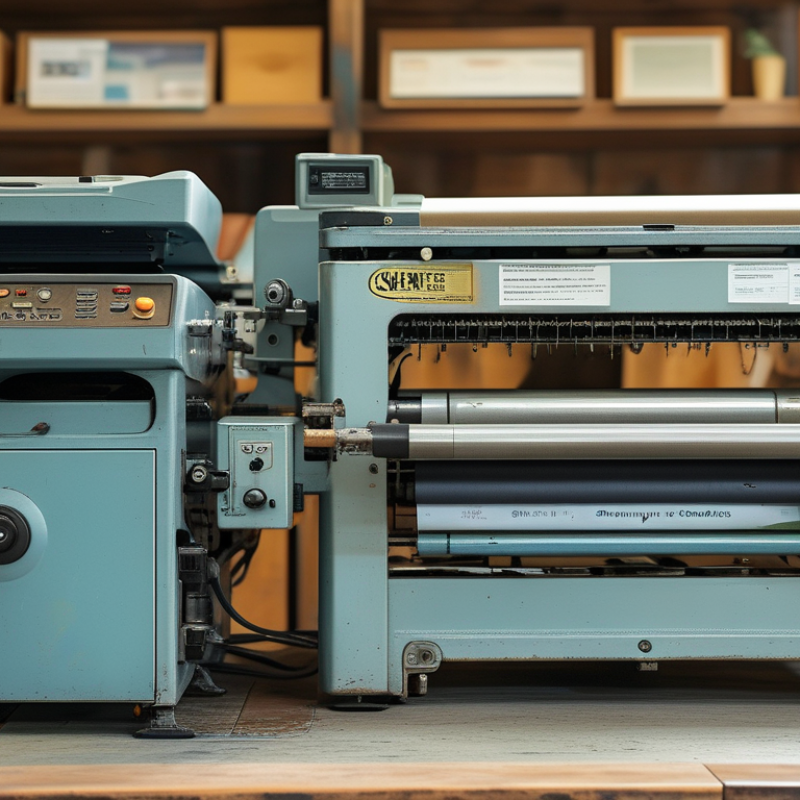
10 Best Tips to Select Printing Equipment for Startups?

Identifying Your Startup's Printing Needs Based on Industry Standards

Understanding your startup's printing needs is crucial. It varies by industry. For instance, a tech startup might require high-quality, efficient printers for reports and presentations. According to industry reports, businesses spend an average of 1-3% of their revenue on printing, which can add up significantly. Therefore, aligning equipment choices with specific needs is essential.

Assess the volume of printing your business expects. Smaller companies may benefit from a cost-effective, multifunction printer. In contrast, larger operations might need robust printing systems supporting high-speed outputs. Consider the types of materials you'll print. Some industries, like fashion, require color accuracy. In contrast, financial services may prioritize security and confidentiality.

Tip: Evaluate your budget versus long-term costs. Volume-based pricing can lead to savings. Also, don’t overlook maintenance and support plans. An industry report indicated that unexpected breakdowns can cost companies over $1,000 per incident. Recognizing these factors ensures you select the right printing equipment tailored to your business needs. Always revisit your choices as your startup evolves.

Evaluating the Total Cost of Ownership for Printing Equipment

When selecting printing equipment for startups, evaluating the Total Cost of Ownership (TCO) is crucial. TCO encompasses not just the initial purchase price but also long-term expenses. These include maintenance, ink costs, and energy consumption. For instance, a printer may have a low upfront cost but could be costly to operate due to high ink usage. It’s essential to analyze these factors meticulously.

Consider how the equipment's efficiency impacts workflow. Slower machines can lead to increased labor costs, delaying deadlines. Additionally, it's vital to factor in the reliability of the equipment. A machine that frequently breaks down may disrupt business operations. Look for feedback from other users. This can reveal common issues and hidden costs related to repairs and downtime.

Investing time in research can help avoid unexpected expenses. Perform a thorough comparison of different models. Assess how each one aligns with your specific needs. Reflect on your current business goals. Are you aiming for high-volume production or specialty printing? The right choice today can lead to savings tomorrow.

Understanding Different Types of Printing Technologies and Their Applications

Choosing the right printing technology is crucial for startups. Each type of printing offers unique strengths and weaknesses. Digital printing, for example, is excellent for short runs. It allows for quick turnarounds and customization. However, the cost per unit can be higher for larger quantities.

Offset printing, on the other hand, is more economical for bulk orders. It produces high-quality images but requires more setup time and costs upfront. Understanding your production needs is essential. Evaluate factors like volume, color accuracy, and turnaround times. If you lack experience, consulting with printing professionals can help. Yet, it’s advisable to test multiple equipment types before making a significant commitment.

Emerging technologies, such as 3D printing, are also gaining traction. They open up new possibilities but can be complex and costly. Engaging with local printing communities might offer insights. Gather feedback on different technologies. Experimentation is key; not every solution will suit every project. Adaptability and knowledge are vital in finding the right fit for your startup's unique printing demands.

10 Best Tips to Select Printing Equipment for Startups

Assessing Print Quality Requirements and Industry Benchmarks

When assessing print quality requirements for startups, clear standards are crucial. Evaluate the expected outcome for each printing project. High-quality materials matter, impacting the end-user experience. Look to industry benchmarks for guidance. Many standard metrics exist, like color accuracy and resolution. Understanding them can significantly enhance your printing process.

For example, color consistency can define a brand. Inconsistent prints may confuse customers. Startups should invest in equipment that meets these benchmarks. It's essential to test equipment regularly. Sometimes, even new machines can fall short. Periodic assessments can uncover issues before they escalate.

Additionally, engage with industry communities. Networking can provide insights and shared experiences. Feedback from others can highlight overlooked areas in print quality. Learning from peers can assist in refining your standards. A thorough understanding of these elements helps startups avoid costly mistakes and ensure better outcomes.

Researching Supplier Reputation and Customer Support in the Printing Sector

When selecting printing equipment for startups, understanding supplier reputation is crucial. A reliable supplier ensures consistent quality and support. Look for those with positive customer feedback. Online reviews can reveal a lot about a supplier's reputation. Engage with existing customers for firsthand experiences. This can save you time and resources in the long run.

Customer support is another critical factor. Equipment breakdowns can lead to costly delays. Evaluate the support offered by potential suppliers. Do they provide timely assistance? Test their responsiveness during the inquiry stage. Make sure you know how they handle warranty issues. If support is lacking, it can affect your entire business operation.

Research is vital before making a decision. Ask about training and resources provided. Equipment should come with clear operational guidance. Don’t ignore the importance of a strong partnership. This can mitigate risks and enhance your startup's growth. Remember, a solid relationship with your supplier can pave the way for future collaborations.

10 Best Tips to Select Printing Equipment for Startups

Tip Number Tip Description Supplier Reputation Customer Support
1 Assess your printing needs Positive reviews on multiple platforms 24/7 support available
2 Research equipment types Well-established brand reputation Dedicated customer service team
3 Consider budget constraints Affordability and reliability Fast response times
4 Evaluate leasing vs. buying Trustworthy leasing options Comprehensive warranty options
5 Examine printing speed and quality High customer satisfaction ratings Accessible technician support
6 Check compatibility with materials Positive third-party endorsements Proactive follow-up service
7 Consider size and space requirements Reputation for user-friendliness Helpful installation assistance
8 Look for energy efficiency Eco-friendly accreditation Clear communication
9 Assess maintenance requirements Long-standing industry presence Scheduled maintenance support
10 Review total cost of ownership Transparent pricing strategies Value-added services included

FAQS

: Why are clear print quality standards important for startups?

: Clear standards help evaluate expected outcomes for each printing project and improve the end-user experience.

How can industry benchmarks assist in printing projects?

They provide guidance on metrics like color accuracy and resolution, enhancing your printing process significantly.

What role does color consistency play in brand perception?

Inconsistent prints can confuse customers and negatively impact brand identity, making consistency vital.

How often should startups test their printing equipment?

Regular tests are essential as even new machines may have shortcomings. Periodic assessments help prevent issues.

Why is supplier reputation important in the printing sector?

A reliable supplier ensures consistent quality and support, saving you time and resources for your business.

How can I assess the customer support of potential suppliers?

Evaluate their responsiveness during initial inquiries and how they handle warranty issues for better clarity.

What should I look for in supplier partnerships?

A strong partnership can mitigate risks and support your startup’s growth, making it crucial to choose wisely.

What is the benefit of engaging with industry communities?

Networking provides insights and shared experiences that can highlight areas for improvement in print quality.

What key resources should suppliers provide?

Ask about training and clear operational guidance to ensure you understand how to use the equipment effectively.

How do feedback and peer learning impact print quality?

Feedback from peers helps refine your standards and avoid costly mistakes in your printing process.

Conclusion

When considering how to select printing equipment for startups, it's essential to first identify your specific printing needs based on industry standards. Different sectors have varying requirements, so understanding these can help streamline your decision-making process. Additionally, evaluating the total cost of ownership, which includes not just the purchase price but also maintenance, supplies, and potential upgrades, is crucial for budgeting effectively.

Another significant factor is understanding the different types of printing technologies available and their respective applications. Assessing your print quality requirements against industry benchmarks will ensure that the equipment meets your expectations. Lastly, researching the reputation of suppliers and their customer support services in the printing sector can provide insights into reliability and assist with any future needs that may arise. By following these guidelines, startups can make informed choices when selecting printing equipment that aligns with their operational goals.

Mason

Mason

Mason is a seasoned marketing professional with a deep expertise in the company's offerings and a passion for driving brand awareness. With a strong background in digital marketing strategies, he has an innate ability to connect with diverse audiences and effectively communicate product benefits.......