Digital printing has transformed the landscape of printing technology. Many businesses are curious about what are the advantages of digital printing over traditional printing. This technology offers several key benefits that can appeal to a diverse range of industries.
One notable advantage is the speed of production. Digital printing allows for quicker turnaround times, enabling businesses to meet tight deadlines. Additionally, it supports on-demand printing, reducing waste and unnecessary inventory. The flexibility in design is also significant, allowing for easy customization. This flexibility appeals to marketers aiming for targeted campaigns.
However, there are drawbacks to consider. While digital printing excels in short runs, traditional printing may still be more cost-effective for large volumes. Understanding both methods helps businesses make informed decisions. Thus, exploring the advantages of digital printing is crucial to stay competitive.
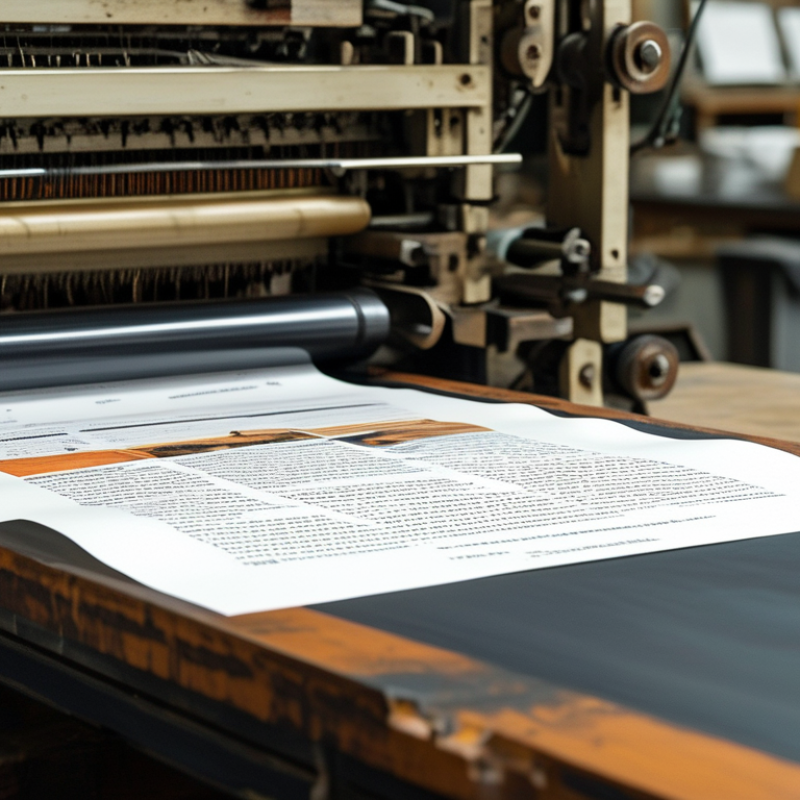
Digital printing has gained significant traction in recent years, primarily due to its unique advantages over traditional printing methods. One of the most notable benefits is the reduced setup time. A report from Smithers Pira indicates that digital printing can reduce setup times by up to 80% compared to conventional processes. This means faster turnaround times for businesses, allowing them to respond more quickly to market demands.
Another key advantage of digital printing is its cost-effectiveness for short runs. Traditional printing often requires large minimum orders, which can lead to wasted materials. Conversely, digital printing allows for smaller batches, making it ideal for personalized or custom products. According to the Printing Industries of America, companies utilizing digital methods have reported savings of around 30% in production costs for short-run jobs.
Additionally, digital printing enables a high level of customization. Each print can be tailored to specific requirements without significant changes to the setup. However, some may argue that digital printing comes with limitations in color fidelity compared to offset printing. It’s essential for businesses to weigh these aspects carefully. The technology is advancing rapidly, yet it’s vital to remain critical of its evolving capabilities.
Digital printing has gained substantial traction due to its cost efficiency compared to traditional methods. A report by Smithers Pira indicated that digital printing can reduce production costs by up to 20%. This makes it a preferred choice for businesses seeking to optimize their budgets. For short runs, digital printing eliminates the hefty setup costs required in offset printing. As a result, companies can order fewer copies without financial penalties.
Furthermore, digital printing allows quick turnaround times. Projects that would take days with traditional methods can often be completed within hours. This speed means that companies can respond to market demands more flexibly. According to research from the EPS Association, 40% of businesses reported reducing lead times significantly with digital processes. However, this rapid production does not always equal quality, as the output may sometimes lack the depth achievable by traditional methods. As the industry evolves, balancing cost and quality remains a topic of discussion among professionals.
Investing in digital technology also entails understanding its limitations. While costs are lowered for short runs, long-run jobs might still favor traditional printing for higher quality. Many businesses face a dilemma, weighing the benefits against potential quality concerns. Digital printing shows great promise, but as with any technology, critical evaluation is essential for optimal results.
Digital printing offers remarkable advantages, especially when it comes to speed and turnaround time. This method enables quicker print runs, beneficial for tight deadlines. For example, projects that once took days with traditional printing can now be completed in just hours. This accelerated process allows businesses to respond swiftly to market demands.
Moreover, digital printing eliminates the long setup times often seen in traditional methods. There’s no need for complicated plates or extensive pre-press work. This simplicity can significantly reduce production delays. For instance, a graphic designer can easily make last-minute adjustments to designs without costly repercussions. However, it's important to acknowledge that quality can vary. Sometimes, colors may not match perfectly, leading to potential dissatisfaction.
Nonetheless, the flexibility of digital printing cannot be overlooked. Personalized prints, limited runs, and prototype designs are more accessible. This opens new doors for creativity but can also challenge traditional workflows. Companies must adapt to this shift or risk being left behind. Digital printing is not without flaws but offers distinct advantages in speed and responsiveness.
Digital printing has gained much attention for its sustainability. Unlike traditional methods, it reduces waste significantly. The precise nature of digital processes minimizes excess ink usage. This shift leads to decreased environmental impact. Digital presses operate on demand, meaning materials are only printed when necessary. This is a notable improvement over traditional printing, which often involves large runs that contribute to excess waste.
The inks used in digital printing can also be more eco-friendly. Many digital printers utilize water-based inks. These inks breakdown easier in the environment compared to solvent-based alternatives. This can create a healthier workplace and a cleaner ecosystem. However, there are still challenges. Not all digital inks are created equal. Some may contain harmful chemicals. This inconsistency can confuse consumers about the sustainability of digital printing.
Additionally, energy consumption is a concern. Digital printing often requires less energy than traditional methods. Yet, this can vary based on equipment and production volumes. Manufacturers need to invest in greener technologies to maximize benefits. Overall, while digital printing showcases significant environmental advantages, ongoing reflection and improvement are crucial. Reducing any remaining negative impacts will help elevate the sustainability of the entire industry.
Digital printing is revolutionizing how we approach customization and flexibility. This technology allows for easily personalized products. In contrast to traditional printing methods, digital printing excels in producing unique items on demand. With just a few clicks, you can create tailored designs that meet specific needs.
One key advantage is the ability to print small quantities without compromising quality. Businesses can create limited-edition items or test new designs. This flexibility encourages creativity, but there are challenges. The high cost of equipment can be a barrier for smaller companies. Also, not all digital printers can match the quality of traditional methods for certain projects.
Tips: Always consider your audience. Think about what they may want in a personalized product. Utilize surveys to gather feedback. Test designs before full production to avoid costly errors. Digital printing enables changes with less hassle, but it’s essential to plan effectively to maximize benefits.
: Digital printing significantly reduces setup times, sometimes by up to 80%. This leads to faster project turnaround.
It is cost-effective for short runs, allowing smaller batch sizes. This can save companies around 30% in production costs.
Yes, each print can be tailored easily without major setup changes. However, some limitations in color fidelity exist.
Projects that took days with traditional methods can be done in hours. This speed is beneficial for tight deadlines.
Digital printing reduces waste significantly and uses less ink, resulting in a lower environmental footprint than traditional methods.
Many digital printers use water-based inks, which are better for the environment. Yet, some inks may still contain harmful chemicals.
Digital printing often uses less energy, but this varies with equipment. There’s a need for greener technology investments.
Yes, quality can sometimes vary. Colors may not always match perfectly, which can lead to dissatisfaction for some users.
The flexibility of digital printing may disrupt existing processes. Companies must adapt to stay relevant in the evolving landscape.
Continuous reflection and improvement are needed to minimize any negative impacts and enhance overall sustainability in the industry.
Digital printing presents several advantages over traditional printing methods that enhance both efficiency and creativity in the printing industry. One of the primary benefits is cost efficiency; digital printing often requires lower setup costs, making it economically viable for short runs and custom projects. Additionally, the speed and turnaround time of digital printing is significantly faster, allowing businesses to meet tight deadlines and reduce waiting periods.
Moreover, when considering what are the advantages of digital printing over traditional printing, customization and flexibility stand out. Digital printing enables high levels of personalization, allowing each print to be unique without the need for extensive revisions or changes in setup. Lastly, digital printing practices also support sustainability efforts by reducing waste and utilizing eco-friendly processes, aligning with growing environmental concerns. Overall, digital printing offers a modern, efficient alternative that meets the demands of today’s market.

Fusion Digital Print