7 Best Industrial Printing Trends for Global Buyers?

Time:2026-10-20 Author:Oliver
0%

Industrial printing is changing from a production task into a connected business advantage. Global buyers now expect faster delivery, stable quality, lower waste, and measurable operating costs. The key question is, “what are the latest trends in industrial printing,” and how can they support real factory needs?

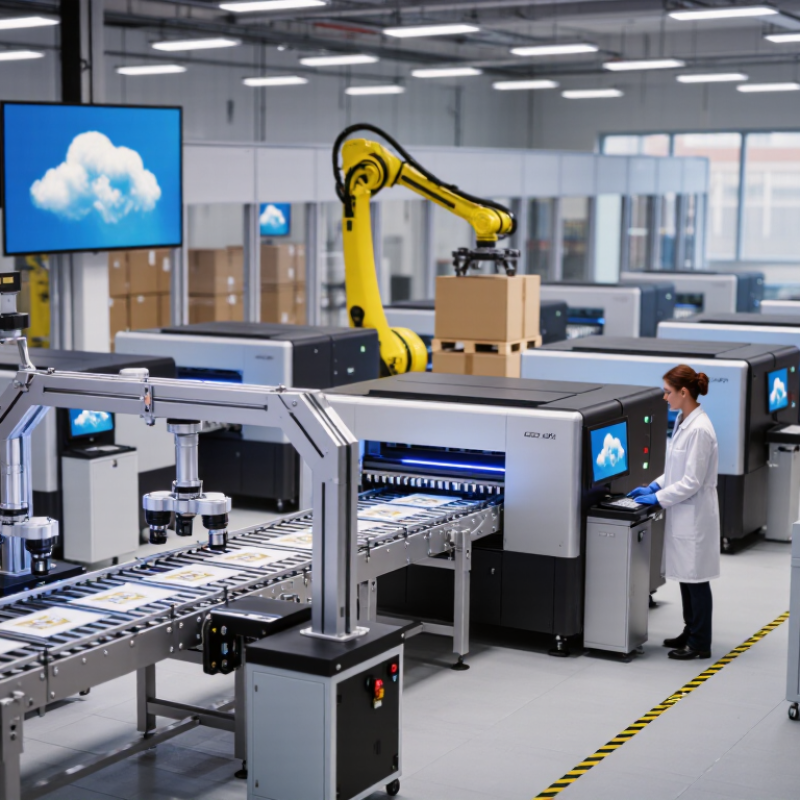
This guide examines seven practical trends shaping international purchasing decisions. Digital inkjet systems are improving variable-data production, short runs, and customized packaging. Automated inspection cameras can detect missing text, color shifts, and surface defects before shipment. Meanwhile, robotics and cloud-based monitoring are helping factories reduce manual handling and track equipment performance. These developments matter when a buyer compares suppliers across different regions.

Sustainability is also becoming more specific. Buyers are examining energy consumption, ink chemistry, recyclable substrates, and waste reports instead of accepting broad environmental claims. Some manufacturers are adopting water-based inks, LED curing, and lightweight materials. Results vary, however. A newer machine may consume less energy but require expensive maintenance or specialized operators. That trade-off deserves careful review.

Reliable decisions require more than a trend list. Buyers should request sample prints, production data, service records, and realistic total-cost estimates. They should also verify safety procedures, technical certifications, spare-part availability, and local support. Industrial printing remains highly application-dependent. A solution that performs well on corrugated packaging may struggle with metal parts or flexible films. Practical testing still matters. Mistakes happen. The strongest purchasing strategy combines verified performance, experienced supplier evaluation, and a clear understanding of long-term production goals.
7 Best Industrial Printing Trends for Global Buyers?

Industrial Printing: Definition, Scope, and Global Market Role

Industrial printing is the controlled production of functional or decorative materials at commercial scale. It uses ink, toner, coatings, or digital deposition on substrates beyond ordinary paper. These substrates include metal sheets, glass panels, plastic films, textiles, ceramics, and packaging components. In factories, quality depends on adhesion, color consistency, resolution, curing, and resistance to heat or abrasion. I have seen small calibration errors become costly waste during long production runs. The definition is broad, but each application is highly specific.

Its global market role extends across manufacturing, logistics, construction, electronics, and packaging. Global buyers increasingly assess total output, not machine price alone. Seven major trends include high-speed digital systems, water-based formulations, inline inspection, robotic handling, variable-data printing, energy-efficient curing, and short-run customization. These developments reduce setup time and support fragmented demand. They also require operator training, data protection, maintenance planning, and material testing. A fast press is not always productive. That distinction matters.

Tips:
Ask suppliers for substrate trials, adhesion reports, color tolerances, service response times, and sample production data. Check performance under humidity and temperature changes. Request a realistic waste estimate. Be careful with optimistic figures. Compare lifecycle cost, operator skill, spare-parts access, and compliance documentation. My view is not perfect: forecasts often overvalue speed and undervalue workflow discipline. Test before buying. A reliable line may look less exciting in a showroom, yet perform better after six months of daily production.

Trend One: Automation and Smart Factory Integration

Trend One: Automation and Smart Factory Integration

Automation is reshaping industrial printing for global buyers. Modern presses can connect with production software, sensors, and inspection systems. This connection turns isolated machines into a responsive factory network. Operators can monitor print speed, material usage, ink levels, and machine temperature from one dashboard.

The floor stays busy. A typical workflow may begin with a digital order, continue through automated file checks, and finish with barcode-based job tracking. Cameras can identify registration errors while sensors warn technicians about unusual vibration. These alerts help reduce waste and unplanned downtime. In my experience, the strongest results come from gradual integration. A small pilot often reveals missing data, outdated interfaces, or unclear operator responsibilities.

That sounds simple. It is not always simple. Some factories invest in automation but underestimate staff training and maintenance planning. False alarms can interrupt production instead of protecting it. Older equipment may also require custom connections, which increase project costs. Buyers should examine data security, system compatibility, supplier support, and measurable return on investment. A practical test could compare setup time, rejected sheets, and energy consumption before and after integration. Human judgment still matters when materials behave differently or an urgent order changes the schedule. Smart factories work best when automation supports experienced people, rather than pretending to replace every decision.

Trend Two: Sustainable Inks, Materials, and Production Practices

Sustainable industrial printing is moving beyond attractive environmental claims. Global buyers now examine inks, substrates, energy use, and waste together. In production audits, I have seen water-based inks reduce solvent odors around busy pressrooms. They also support safer handling when ventilation and drying systems are properly maintained. However, they may require longer drying times on non-absorbent materials.

Material selection matters just as much. Recycled paper, recyclable films, and lightweight substrates can reduce resource use. Their performance still depends on product conditions, including moisture, friction, heat, and storage time. A package that cannot protect its contents creates avoidable waste. Buyers should request technical data, migration information, and credible environmental documentation before approving a material.

Production practices often deliver the quickest gains. Precise color management can reduce setup sheets and discarded rolls. Automated inspection can identify streaks, pinholes, and registration errors before a full batch is completed. Energy monitoring also reveals hidden losses during idle periods. Some newer curing systems use less power, but their benefits depend on machine settings and factory electricity sources. Not every sustainable option works everywhere. That is the uncomfortable part. Suppliers and buyers should measure actual ink consumption, scrap rates, drying performance, and end-of-life outcomes instead of relying on broad promises. Small trials are useful. So are honest failure records.

Trend Two: Sustainable Inks, Materials, and Production Practices

Typical volatile organic compound (VOC) content varies significantly by ink technology. Water-based and energy-curable inks generally reduce solvent emissions compared with conventional solvent- and oil-based systems, supporting lower-impact printing operations.

Data shown are representative midpoint estimates from commonly reported technical ranges; actual values vary by formulation and application.

Trend Three: Digital, Direct-to-Object, and On-Demand Printing

Digital, direct-to-object, and on-demand printing are reshaping industrial production. Instead of applying labels separately, factories can print graphics, codes, or instructions onto prepared surfaces. This reduces handling steps and supports shorter production runs. A metal housing, glass bottle, or molded plastic panel can receive variable information near final assembly. That timing matters. Buyers can update artwork without storing thousands of preprinted components. In practice, results depend on surface preparation, ink adhesion, curing, and inspection.

Direct-to-object systems make personalization more practical. A distributor may need different languages, serial references, or market-specific information across one shipment. Digital files can manage these variations with less tooling than conventional methods. On-demand production helps control obsolete stock when product versions change quickly.

However, faster changeovers do not guarantee lower costs. Cleaning routines, fixture design, operator training, and reject rates still affect the final calculation. A cheap print cycle can become expensive if alignment drifts by a few millimeters.

Global buyers should test real objects, not only flat samples. Ask suppliers to document substrate limits, color consistency, abrasion resistance, and data security procedures. Request a pilot run under factory conditions, including dust, heat, and shift changes. My practical lesson is simple: impressive samples can hide difficult maintenance. Some projects also underestimate artwork approval time across regions. Clear specifications and measurable acceptance criteria reduce that risk. The technology is flexible, but disciplined process control remains essential.

Trend Four: Quality Control, Customization, and Global Buyer Selection

For global buyers, industrial printing quality begins before the first sheet enters the machine. Experienced teams inspect ink viscosity, substrate moisture, color density, registration, and drying temperature. A calibrated spectrophotometer can catch color drift that human eyes miss. Operators should save batch samples beside production records. This habit supports traceability when shipments cross borders. Quality control is not only a final inspection. It is a chain of small checks. Still, no process is perfect. A few defects may escape during fast production runs.

Customization now influences equipment and supplier selection. Buyers may need variable data, short runs, textured materials, multilingual labels, or different carton sizes. They should request controlled testing, not only attractive samples. Testing should match the real substrate, artwork density, drying time, and expected speed. Ask about changeover time. Ask about waste rates. These details reveal practical capability better than sales language. In my experience, a stable machine with moderate speed often outperforms a faster system during complex jobs. That choice feels less impressive, but it can protect delivery schedules.

Global buyers should compare documented quality procedures, operator training, service response, and spare-part availability. Regional voltage requirements and recognized safety standards also deserve careful review. Supplier audits can include production records, inspection tools, maintenance logs, and corrective-action reports. Clear communication matters when technical terms cross languages. One overlooked detail can delay approval. Buyers should also examine sample consistency across repeated runs, not just one successful test. A supplier may offer excellent samples yet struggle with daily production. That gap needs honest questioning.

FAQS

What is industrial printing?

Industrial printing produces functional or decorative materials at commercial scale. It prints on metal, glass, plastic films, textiles, ceramics, and packaging components. Quality depends on adhesion, color consistency, resolution, curing, and durability. Paper is only one possibility.

Which industries use industrial printing?

Manufacturing, logistics, construction, electronics, and packaging use it widely. Printed surfaces may carry graphics, instructions, codes, or product information. These details can support assembly and tracking. Applications vary greatly.

What should buyers evaluate beyond machine price?

Buyers should compare total lifecycle cost, output, waste, training, maintenance, and spare-parts access. Service response time also matters during production delays. A fast system may create more rejects. That is easy to miss.

How can automation improve production?

Automation connects presses with software, sensors, inspection tools, and tracking systems. Operators can monitor speed, material use, ink levels, and temperature from one dashboard. Cameras may detect registration errors. Sensors can identify unusual vibration.

What risks come with smart factory integration?

Older equipment may need custom connections, increasing project costs. Poor training can leave staff unsure about alarms and responsibilities. False alerts may interrupt stable production. Start small. A pilot can reveal hidden problems.

What are the advantages of digital and direct-to-object printing?

These methods can print graphics, codes, or instructions directly onto prepared surfaces. They reduce handling and support shorter production runs. Factories can update designs without storing large inventories of printed components. On-demand work may reduce obsolete stock.

Which factors affect direct-to-object print quality?

Surface preparation, ink adhesion, curing, alignment, and inspection strongly affect results. Dust and heat can change performance during a factory shift. A few millimeters of alignment drift can create costly rejects. Flat samples are not enough.

How should buyers test an industrial printing system?

Test real production objects under factory conditions. Include dust, humidity, temperature changes, and shift variations. Request adhesion reports, color tolerances, waste estimates, and sample data. Compare setup time, rejected pieces, and energy use. Impressive samples can hide difficult maintenance.

Conclusion

Industrial printing is evolving from a production-only function into a connected, data-driven part of modern manufacturing. The latest developments include automation, smart factory integration, real-time production monitoring, sustainable inks, recyclable materials, energy-efficient processes, and improved waste reduction. These changes help manufacturers increase productivity, improve consistency, and respond more efficiently to changing market requirements. For global buyers asking “what are the latest trends in industrial printing,” the answer increasingly centers on flexibility, efficiency, sustainability, and digital control.

Digital printing, direct-to-object printing, and on-demand production are also expanding customization possibilities while reducing unnecessary inventory. At the same time, advanced quality control systems support accurate color, registration, durability, and surface performance across different applications. Global buyers should evaluate equipment compatibility, material options, production scalability, environmental performance, customization capabilities, and after-sales technical support. By considering these factors together, companies can select industrial printing solutions that align with operational goals, responsible production practices, and long-term international market needs.

Oliver

Oliver

Oliver is a seasoned marketing professional with a wealth of expertise in driving brand awareness and engagement. With a deep understanding of our company's product offerings, he consistently delivers high-quality content that enriches our professional blog. His insights not only shed light on......